Saad Iqbal | 🗓️Modified: March 11, 2026 | ⏳Time to read:11 min
Feng Shui: A Beginner’s Guide to Getting the Layout of Your House Right
Introduction
Feng Shui, an ancient Chinese practice, has been guiding individuals in creating harmonious environments for thousands of years. The term “Feng Shui” translates to “wind” and “water,” two elements that, in Chinese culture, are associated with good health and fortune. This guide aims to introduce beginners to the fundamental principles of Feng Shui, helping them understand how the layout of their home can influence their well-being, prosperity, and overall quality of life.
In today’s fast-paced world, where stress is a common companion and personal spaces have become sanctuaries, applying Feng Shui principles can help optimize the energy flow in your home. Whether you’re looking to enhance your career, improve your relationships, or simply create a more peaceful environment, understanding and applying Feng Shui can be an invaluable tool.
This guide will walk you through the basics of Feng Shui, including its historical roots, essential elements, and practical tips for arranging your home. By the end of this journey, you’ll be equipped with the knowledge to transform your living space into a place of balance and positive energy.
Feng Shui’s origins date back over 3,000 years to ancient China, rooted deeply in the country’s traditional culture and philosophy. Initially, it was used to orient buildings—often spiritually significant structures such as tombs. The practice was based on the idea that the earth is alive and filled with energy, known as “Chi” or “Qi,” which flows through the environment. The goal of Feng Shui is to create harmony between individuals and their surroundings by managing this energy flow.
Early Feng Shui practitioners, known as geomancers, studied the natural environment to determine the best locations for buildings. They considered factors such as the landscape, the direction of the wind, and the flow of water, which were believed to impact the prosperity and health of the inhabitants. Over time, the practice evolved, incorporating elements of Chinese astrology, cosmology, and the I Ching, an ancient divination text.
Throughout China’s history, Feng Shui has evolved through different dynastic periods, each contributing to its development. During the Han Dynasty (206 BCE – 220 CE), Feng Shui principles were used extensively in urban planning and architecture. The Tang Dynasty (618 – 907 CE) saw a further refinement of these techniques, particularly in the layout of imperial cities and palaces.
The Song Dynasty (960 – 1279 CE) marked a significant period in the development of Feng Shui literature. During this era, scholars compiled extensive texts detailing the principles and practices of Feng Shui, making the knowledge more accessible to the educated elite. The Ming (1368 – 1644 CE) and Qing Dynasties (1644 – 1912 CE) continued to see the expansion of Feng Shui, with its principles further integrated into the construction of cities, homes, and gardens.
Feng Shui in the Modern Era
In the 20th century, Feng Shui began to spread beyond China, gaining popularity in the West as interest in Eastern philosophies and holistic practices grew. This period saw the reinterpretation of traditional Feng Shui principles to suit modern lifestyles and architectural styles. The practice also experienced a resurgence in Asia, particularly in countries like Hong Kong, Taiwan, and Singapore, where it is commonly used in real estate and business practices.
Today, Feng Shui is embraced worldwide as a method to enhance both residential and commercial spaces. It is often incorporated into interior design, architecture, and urban planning, with practitioners offering consultations to optimize the energy flow of spaces. As the world becomes more interconnected, the exchange of cultural practices like Feng Shui highlights the universal desire for harmony between individuals and their environments.
At its core, Feng Shui is based on the Taoist understanding of nature, particularly the idea that the land is alive and filled with energy. Fundamental concepts include the Bagua map, the Five Elements (Wood, Fire, Earth, Metal, and Water), and the balance of Yin and Yang energies. These principles guide practitioners in assessing the energy of a space and making adjustments to improve its flow.
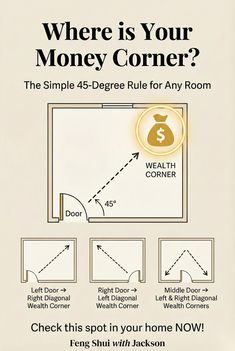
The Bagua map is a tool used to evaluate the different areas of a home or room, corresponding to aspects of life such as wealth, health, and relationships. By aligning the Bagua map with the floor plan of a home, practitioners can identify areas that may require enhancement or balance.
The Five Elements represent different types of energy and are used to create balance in a space. Each element has its own qualities and associations, influencing the design choices made in each area of a home. For instance, the Wood element is associated with growth and vitality, making it suitable for areas related to health and family.
Yin and Yang represent the dual forces present in the universe, with Yin being passive and Yang being active. Feng Shui seeks to balance these energies within a space, ensuring neither dominates to the detriment of the other. Achieving this balance can lead to a harmonious and supportive environment.
Conclusion
As you embark on your journey into the world of Feng Shui, it is essential to approach the practice with an open mind and an understanding of its rich history. By learning about its origins and principles, you can begin to apply Feng Shui techniques in your own home, creating a space that supports your goals and enhances your quality of life. Whether you’re rearranging furniture, choosing colors, or selecting decor, Feng Shui offers a comprehensive approach to designing spaces that are not only aesthetically pleasing but also energetically balanced.
This guide serves as an introduction to the fascinating world of Feng Shui, providing the foundational knowledge needed to start your exploration. With practice and patience, you can harness the power of Feng Shui to transform your home into a place of balance, peace, and prosperity.
# Feng Shui: A Beginner’s Guide to Getting the Layout of Your House Right
## Introduction
Feng Shui, an ancient Chinese practice, is about creating harmony between individuals and their environment. By arranging your living space to align with the natural energy flow, you can enhance various aspects of your life, including health, wealth, and relationships. This guide will walk you through the basic principles of Feng Shui and provide practical tips for optimizing your home layout.
## Understanding the Basics
### What is Feng Shui?
Feng Shui, meaning “wind” and “water,” is a philosophy that emphasizes the interaction of humans with their environment. The goal is to achieve balance and harmony in your surroundings to promote positive energy, or “Chi.”
### The Bagua Map
The Bagua Map is a key tool in Feng Shui, used to analyze the energy in a space. It is divided into nine areas, each corresponding to different life aspects like career, health, and relationships. By overlaying the Bagua Map onto your home’s floor plan, you can assess and enhance these areas.
### The Five Elements
Feng Shui incorporates five elements: Wood, Fire, Earth, Metal, and Water. Each element has specific attributes and interactions, contributing to the overall balance of energy in your space. Incorporating these elements appropriately can create a harmonious environment.
## Practical Tips for a Feng Shui Home
### Declutter Your Space
One of the first steps to applying Feng Shui is decluttering. A cluttered home can block energy flow, leading to stagnation in life. Go through each room and remove items that no longer serve a purpose or spark joy.
### Optimize the Entryway
The entryway is the mouth of Chi, where energy enters your home. Ensure this area is clean, well-lit, and welcoming. Avoid placing shoes or clutter near the door, as these can obstruct energy flow.
### Enhance the Living Room
The living room is where you entertain guests and spend leisure time. Arrange furniture in a way that promotes conversation and ensures a clear path for energy to flow. Use soft lighting and incorporate elements like plants or artwork that inspire calm and positivity.
### Balance the Bedroom
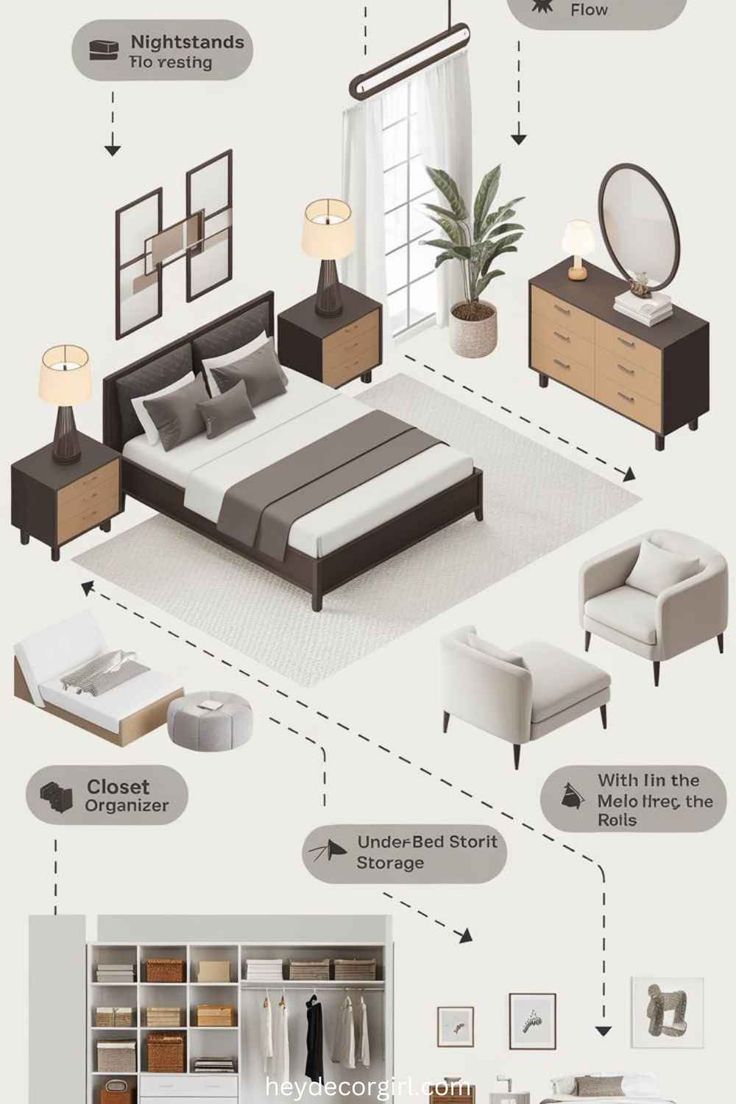
The bedroom is a sanctuary for rest and rejuvenation. Position the bed diagonally opposite the door, with a solid wall behind it for support. Use soothing colors and limit electronic devices to promote restful sleep.
### Energize the Kitchen
The kitchen is associated with nourishment and prosperity. Keep it clean and organized, and ensure the stove is in good working order, as it represents wealth. Incorporate elements of fire and wood for balance.
### Harmonize the Bathroom
Bathrooms can drain energy from the home. Keep the door and toilet lid closed to contain energy. Incorporate plants or mirrors to reflect and balance energy flow.
### Create a Productive Office
For those with a home office, ensure your desk is positioned to have a clear view of the door while not directly in line with it. Incorporate elements of metal for focus and water for inspiration.
## The Role of Colors and Shapes
### Choosing Colors
Colors play a significant role in Feng Shui and can be used to enhance specific areas of your life. For example, red is associated with passion and energy, while blue promotes calmness and clarity. Use colors thoughtfully to support the desired energy in each room.
### Utilizing Shapes
Shapes also influence energy flow. Curved and rounded shapes promote gentle energy, while sharp angles can create tension. Incorporate a mix of shapes to achieve balance and harmony.
## Incorporating Natural Elements
### Bring in Plants
Plants are a simple way to introduce the wood element into your space, promoting growth and vitality. Choose plants that thrive indoors and require minimal maintenance.
### Use Water Features
Water features, like fountains or aquariums, can enhance wealth and abundance. Place them near the entrance or in areas associated with prosperity, but ensure the water remains clean and fresh.
## Conclusion
Feng Shui is a powerful tool for creating a harmonious and balanced living environment. By understanding its principles and applying practical tips, you can transform your home into a space that supports your well-being and aspirations. Remember, Feng Shui is a journey, and small changes can lead to significant improvements over time.
## FAQs on Feng Shui
### What is the main goal of Feng Shui?
The main goal of Feng Shui is to create a harmonious and balanced living environment that supports positive energy flow, enhancing various aspects of life such as health, wealth, and relationships.
### How does the Bagua Map work?
The Bagua Map divides a space into nine areas, each corresponding to different life aspects. By overlaying it onto your home’s floor plan, you can assess and enhance these areas to improve energy flow and balance.
### What are the five elements in Feng Shui?
The five elements in Feng Shui are Wood, Fire, Earth, Metal, and Water. Each element has specific attributes and interactions, contributing to the overall balance of energy.
### How can I declutter effectively?
To declutter effectively, go through each room and remove items that no longer serve a purpose or spark joy. Organize remaining items to ensure a clean and clear environment.
### Why is the entryway important in Feng Shui?
The entryway is the mouth of Chi, where energy enters your home. Keeping it clean, well-lit, and welcoming ensures positive energy flow throughout your space.
### How should I position my bed for good Feng Shui?
Position your bed diagonally opposite the door, with a solid wall behind it for support. This arrangement promotes restful sleep and a sense of security.
### What colors are best for promoting calmness?
Colors like blue and green are associated with calmness and tranquility. Use these colors in spaces where you want to promote relaxation and peace.
### How can plants improve Feng Shui?
Plants introduce the wood element, promoting growth and vitality. They also improve air quality and bring a sense of nature into your home.
### Where should I place water features?
Place water features near the entrance or in areas associated with prosperity. Ensure the water remains clean and fresh to support positive energy flow.
### Is it necessary to use all Feng Shui principles?
While it’s beneficial to incorporate as many principles as possible, even small changes can lead to significant improvements in energy flow and harmony within your space. Focus on areas that align with your goals and resources.