
Whether you are designing a custom build or looking to upgrade your current exterior, the carport deserves a second look. Often overshadowed by the traditional garage, a well-designed carport is a cost-effective architectural feature that offers crucial protection for your vehicles against sun, rain, and snow.
But beyond utility, a carport offers immense versatility. Because they are open-air structures, they provide excellent ventilation and can double as covered entertainment spaces.
What Exactly Is a Carport? Unlike a fully enclosed garage, a carport is a semi-covered structure with a roof supported by posts or a wall. They can be freestanding or attached to the home. Because they require fewer materials and less labor, they are often a budget-friendly way to add property value and curb appeal.
Ready to ditch the driveway exposure? Here are 23 ingenious carport ideas to inspire your next renovation.
1. The Classic Red Brick Extension
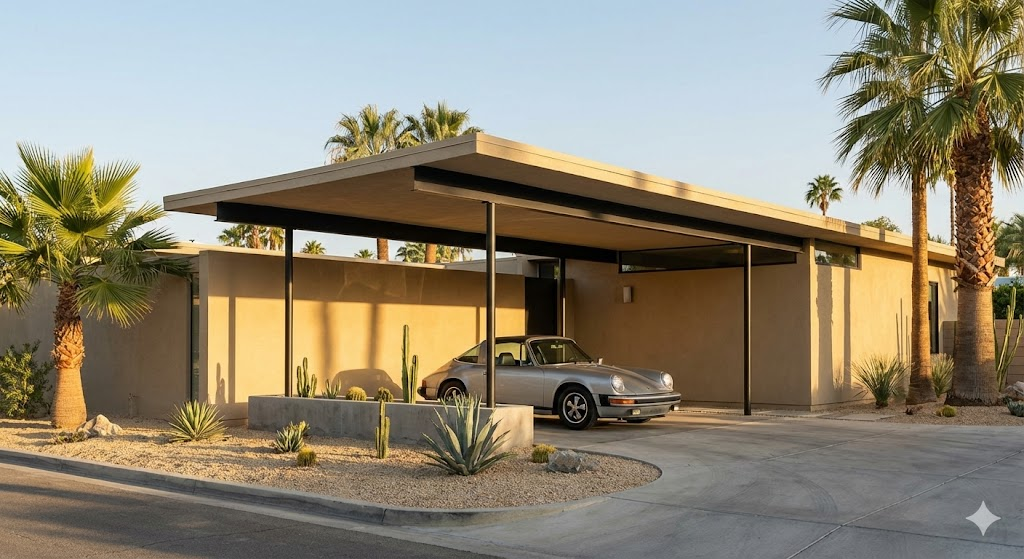
Midcentury modern architecture often championed the carport, but you don’t need a Palm Springs vibe to make it work. If you have a traditional brick home, continue that masonry into the carport columns. Using matching red brick creates a seamless visual transition, making the structure feel like an intentional part of the home’s original blueprint rather than an afterthought.
2. Spanish-Style Tiled Roof
Architecture is all about cohesion. If your home features a Mediterranean or Spanish revival aesthetic, your carport needs to match. By utilizing the same terracotta barrel tiles on the carport roof as the main house, you tie the structures together. It’s a great way to provide shade while maintaining that warm, hacienda charm.
3. The Ultra-Sleek Modernist
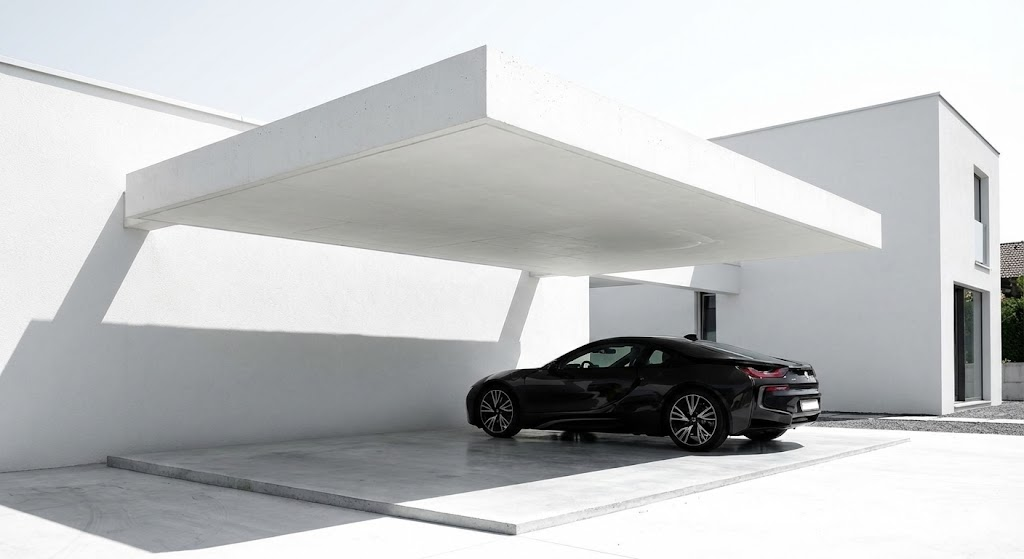
Don’t underestimate the power of minimalism. For contemporary homes, a flat-roofed carport with dark, clean lines creates a striking silhouette. By using steel beams and a monochrome palette, you can create a structure that feels less like a storage area and more like a piece of modern art.
4. Warm Wood Paneling (The Double-Duty Space)
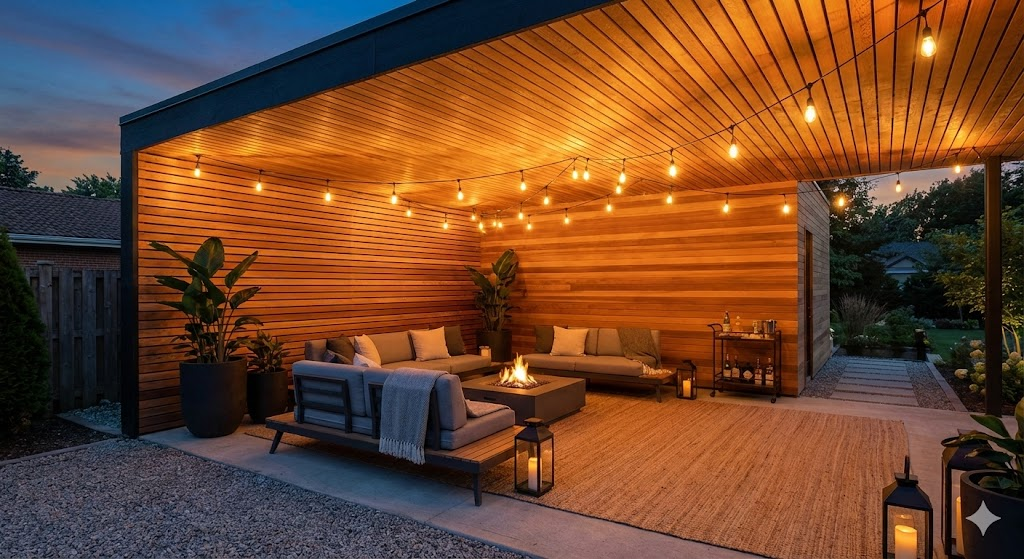
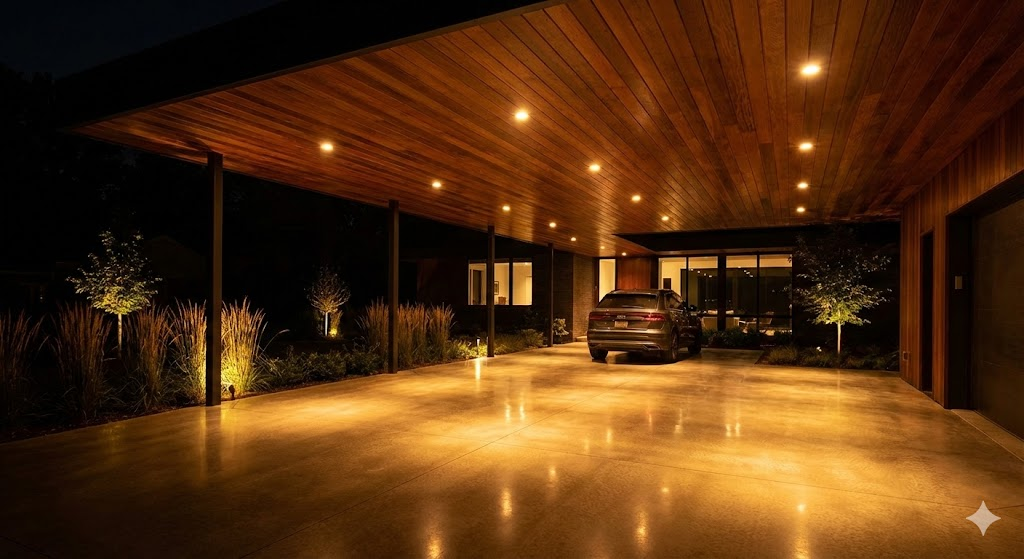
Architect Hiromi Ogawa suggests viewing the carport as a “flex space.” By cladding the interior ceiling or walls with warm wood slats, the space feels inviting rather than industrial. When the cars are moved, this area instantly transforms into a covered lanai perfect for outdoor dinner parties or weekend DIY projects.
5. Industrial Chic with Integrated Storage
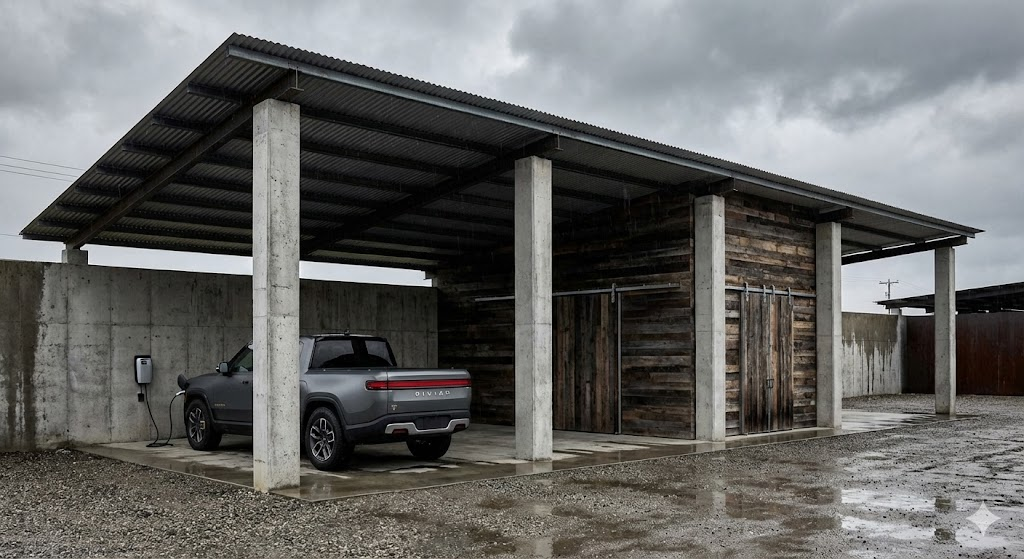
If you love the “form follows function” look, consider an industrial design. Thin, slanted steel columns can support a floating roof for a futuristic aesthetic. To regain the storage usually lost without a garage, incorporate a built-in storage shed at the rear of the carport for tools and gear.
6. The Midcentury Breezeway
In many midcentury modern designs, the carport serves as the primary arrival point. By positioning the main entryway directly off the carport, you bridge the gap between indoor and outdoor living. It offers the same “dry entry” convenience of a garage but keeps the facade feeling open and airy.

7. The Extended Overhang
If you live in a region plagued by heavy rain or snow, consider extending the carport roofline well beyond the parking spot. Creating an elongated overhang that covers the walkway to your front door ensures you—and your groceries—stay dry from the moment you step out of the car.
8. Classic Stone with Statement Lighting
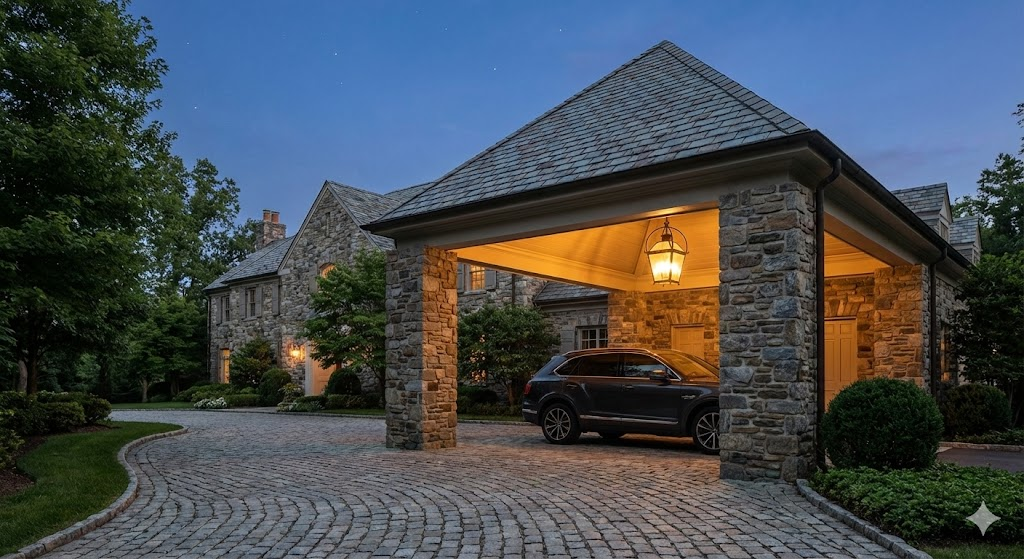
Curb appeal doesn’t stop when the sun goes down. For a New England or cottage-style home, stone pillars add weight and history to the structure. Pair this with a high-quality hanging lantern or pendant light. It not only improves security but creates a warm, welcoming glow for late-night arrivals.

9. The DIY Timber Frame
For the handy homeowner, a carport is an approachable DIY project compared to a full garage build. Using pre-bought plans and standard lumber can save thousands.
- Pro Tip: If you are a novice, consult a structural engineer or hire a pro for the foundation and roofing. A collapsed roof isn’t worth the savings.

10. The Climate Control Carport
In hot climates, a fully enclosed garage can turn into an oven, baking your car’s interior. A carport allows for constant airflow, keeping your vehicle significantly cooler. It’s the preferred choice for homeowners in tropical or desert regions who want shade without the heat trap.
11. The Privacy Screen
Just because a carport is open doesn’t mean it has to be exposed. If your home sits close to the street, orient the carport so the solid wall faces the road, or use slat walls to obscure the view of your vehicles. This setup allows you to park near the front entrance while maintaining a sense of seclusion.
12. The “Best of Both Worlds” Combo
Why choose between a garage and a carport? Many luxury contemporary homes are now incorporating both. You can keep your daily driver in the open-air carport for easy access while storing a classic car or messy lawn equipment in the adjacent enclosed garage.
13. Rustic Charm with a Loft
Carports aren’t exclusive to modern design. For a farmhouse or rustic aesthetic, use heavy timber beams and a pitched roof. If vertical space allows, you can even build a room or storage loft above the carport, complete with dormer windows, adding valuable square footage to the property.
14. Mixed Material Textures
Create visual drama by contrasting materials. A design that pairs rugged stone bases with smooth wood siding or sleek metal roofing feels dynamic and custom. This Arts and Crafts approach turns the carport into a standout feature rather than just a place to park.
15. The Mudroom Connection
A functional transition zone is key. Connect your carport to the side of the house via a “breezeway” or a direct door into a mudroom. A pop of color on this entry door (like a bright red or deep blue) helps distinguish the family entrance from the formal front door.
16. Concrete Timbers
Innovation in building materials allows for unique looks with high durability. Some homes utilize concrete molded to look like heavy timber. This gives you the aesthetic warmth of wood with the fire resistance and rot-proof longevity of concrete—perfect for harsh climates.
17. Soften with Greenery
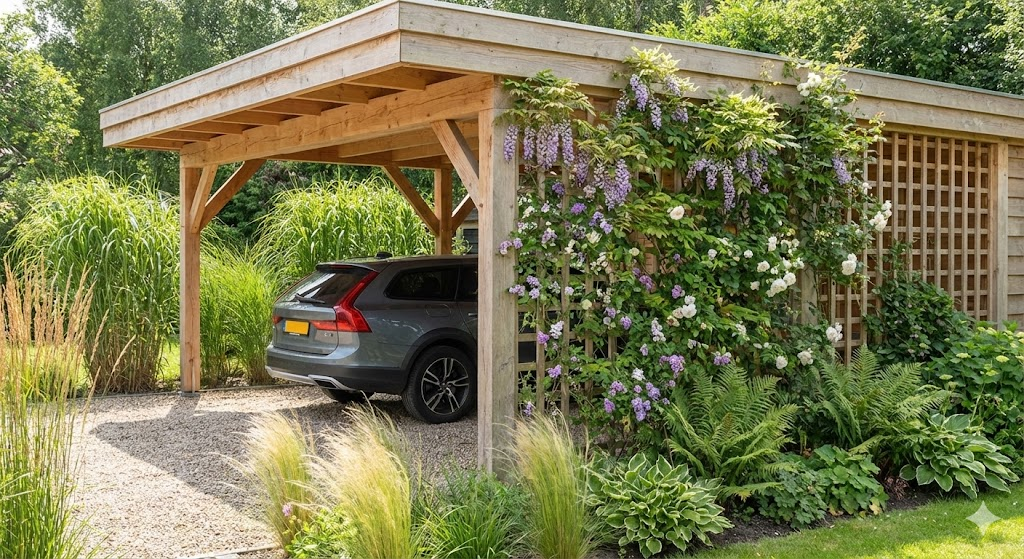
If a structure feels too stark, let nature take over. Planting a row of tall shrubs or installing a trellis with climbing vines along the side of a carport adds privacy and softens the hard architectural lines. It connects the structure to the landscape, making it feel organic.
18. The Angled Approach
Who says a carport has to be perpendicular to the street? Angling the structure can add architectural flair and direct visual attention toward the front door. This is particularly effective on corner lots or driveways with tricky approaches.
19. The Driveway Extension
For homes with limited backyard space, an oversized paved area under a carport can serve as a patio. If you have a large driveway, the carport becomes a multi-functional pavilion. With the car removed, it’s the perfect spot for al fresco dining without worrying about the weather.
20. Integrated Lighting and Utility
A dark carport is uninviting and unsafe. Install recessed lighting (can lights) into the ceiling of the carport. This turns a utilitarian space into a polished architectural element, perfect for when you have guests or need to take the trash out at night.
21. The Overflow Annex
If your existing garage is overflowing with bikes, kayaks, and holiday decor, add a carport to the side. This “annex” allows you to dedicate the garage strictly to storage while still keeping your daily vehicles under a roof.
22. The Tandem Setup
On narrow city lots, horizontal space is a luxury. Consider a tandem layout where the carport is placed in front of an existing garage. This creates a covered spot for a guest or a second car without expanding the footprint of the house sideways.
23. The Collector’s Compound
For the car enthusiast with a large property, think big. You can incorporate multiple carports at different points of the exterior—perhaps one near the main entry for guests and another near the service entrance for family. It creates a luxury estate feel and accommodates a growing collection of vehicles.