
Modern homes are evolving. Homeowners want abundant natural light, energy efficiency, and privacy, all without compromising design aesthetics. Smart glass windows—also called switchable glass or privacy glass—offer a cutting-edge solution. These innovative windows allow you to control transparency at the touch of a button, letting in light when you want it and creating privacy when needed.
By 2026, smart glass technology is becoming increasingly accessible, stylish, and practical for residential garages, offices, sunrooms, and living spaces. This comprehensive guide will explore everything you need to know about smart glass windows, from types and technologies to installation, energy efficiency, design tips, and cost considerations.
What Are Smart Glass Windows?
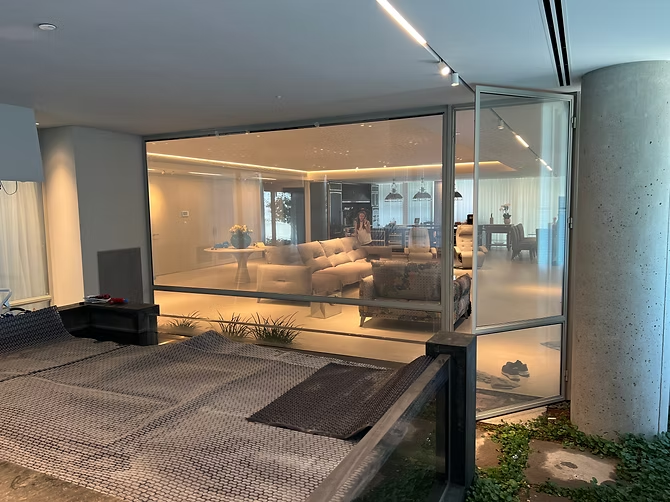
Smart glass is a type of window that can change its transparency electronically. Unlike traditional glass, which is fixed as clear or frosted, smart glass can switch between transparent, translucent, and opaque states.
This technology combines modern design, privacy control, and energy efficiency in one. Smart glass is used in:
- Residential homes
- Commercial offices
- Healthcare facilities
- Garages and workshops
- Luxury vehicles
How Smart Glass Works
Smart glass technology works using different methods to control the opacity of the glass. The two most common technologies are PDLC (Polymer-Dispersed Liquid Crystal) and SPD (Suspended Particle Device).
1. PDLC (Polymer-Dispersed Liquid Crystal)
- Liquid crystals are dispersed within a polymer film.
- When electricity is applied, the crystals align, making the glass transparent.
- When power is off, the crystals scatter light, turning the glass opaque.
Benefits:
- Quick transition between clear and frosted states
- Easy integration with switches, remotes, and smart home apps
Drawbacks:
- Slightly lower optical clarity than traditional glass
- Requires continuous power to maintain transparency
2. SPD (Suspended Particle Device)
- Microscopic particles are suspended in a liquid within the glass.
- When voltage is applied, particles align, making the glass transparent.
- Without voltage, the particles scatter light, darkening the glass.
Benefits:
- Can control the degree of transparency, not just on/off
- Higher light control and heat reduction
Drawbacks:
- More expensive than PDLC
- Slightly thicker glass units required
Benefits of Smart Glass Windows
Smart glass offers numerous advantages that traditional windows cannot match.
1. Privacy Control
- Switchable glass allows instant privacy without curtains or blinds.
- Ideal for bathrooms, bedrooms, home offices, or garage workshops with street-facing windows.
2. Natural Light Management
- Let in sunlight while reducing glare.
- Adjustable opacity allows optimal natural light throughout the day.
3. Energy Efficiency
- Smart glass can block UV and infrared light, reducing cooling costs in summer.
- During winter, transparent mode allows sunlight to warm indoor spaces naturally.
4. Noise Reduction
- Some smart glass systems also provide improved acoustic insulation compared to traditional single-pane glass.
5. Sleek Modern Design
- No need for blinds, curtains, or shades, giving interiors a clean, minimalist look.
- Can be incorporated in walls, partitions, and even overhead skylights.
6. Integration with Smart Home Systems
- Many smart glass systems can be controlled via smartphone apps, voice assistants, or automation routines.
- Example: Glass can automatically switch to opaque during certain hours or when security cameras detect movement.
Applications in Residential Settings
Smart glass is versatile and can enhance multiple areas of the home.
1. Bedrooms and Bathrooms
- Bathrooms benefit from instant privacy without blocking daylight.
- Bedrooms can enjoy morning sunlight while maintaining privacy from neighbors.
2. Home Offices
- Glass partitions provide an open feel but switch to opaque during meetings or video calls.
- Ideal for sound-sensitive areas when combined with acoustic glass.
3. Living Rooms and Sunrooms
- Large windows and skylights can be made glare-free and UV-protected.
- Reduces the need for blinds and helps preserve furniture from sun damage.
4. Garages and Workshops
- Street-facing garage windows can provide natural light without exposing tools or vehicles to passersby.
- Switchable privacy is ideal for garages that double as studios, gyms, or workshops.
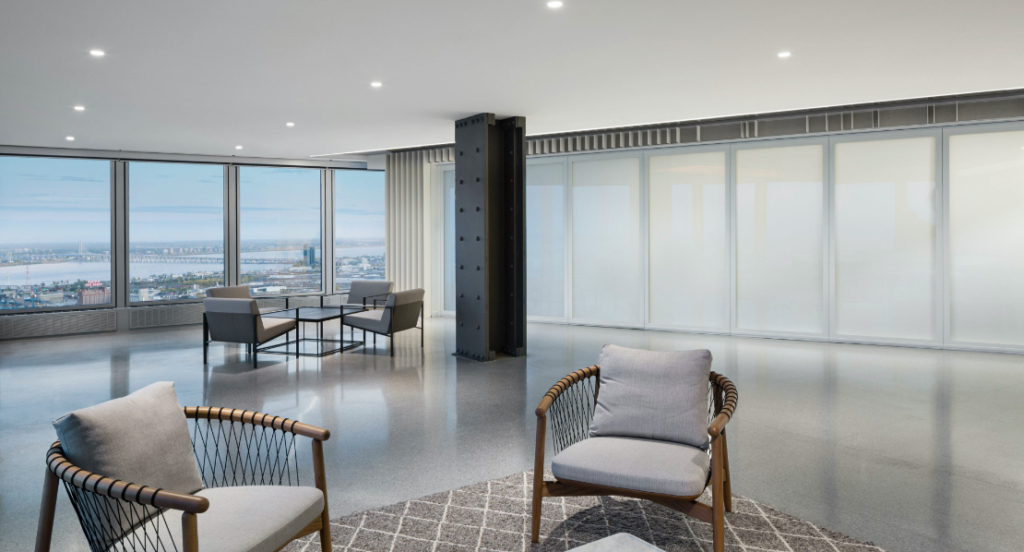
Energy Efficiency and Sustainability
Smart glass isn’t just a design feature; it’s a sustainable solution.
1. Solar Heat Gain Control
- SPD glass can block up to 99% of solar heat when opaque.
- Reduces reliance on air conditioning during summer months.
2. UV Protection
- Protects interior furnishings and flooring from fading.
- Reduces health risks associated with prolonged UV exposure.
3. Daylight Harvesting
- Optimizes natural light to reduce dependence on artificial lighting.
- Can automatically adjust transparency to maintain consistent indoor illumination.
4. Reduced HVAC Load
- By controlling heat transfer, smart glass can reduce both heating and cooling costs.
- Long-term savings can offset installation costs over time.
Installation Considerations
Installing smart glass requires careful planning and professional installation in most cases.
1. Glass Size and Weight
- Smart glass is heavier than traditional glass due to additional layers.
- Ensure window frames and supports can handle the weight.
2. Electrical Supply
- PDLC and SPD glass require a low-voltage DC supply for switching.
- Continuous power is necessary for PDLC in transparent mode.
3. Wiring and Connectivity
- Can be wired to wall switches, remote controllers, or smart home hubs.
- Some systems offer Wi-Fi or Bluetooth connectivity for smartphone control.
4. Retrofit vs New Construction
- Retrofit: Existing windows can be replaced with smart glass panels.
- New Construction: Smart glass can be integrated into the design from the start for seamless installation.
5. Environmental Conditions
- Consider local climate: some systems perform better in extreme heat or cold.
- Humidity and direct sun exposure can affect performance and lifespan.
Design and Aesthetic Integration
Smart glass allows for creative design solutions:
1. Glass Walls and Partitions
- Switchable glass walls provide an open-plan feel that can become private on demand.
2. Skylights
- Skylights can provide daylight while reducing glare and heat.
3. Garage Windows
- Provides natural light for garages without compromising security.
- Great for workshops, gyms, or home studios.
4. Custom Shapes and Sizes
- Modern smart glass can be cut into various shapes for architectural aesthetics.
- Curved glass, corner panels, and full-height walls are possible.
Smart Control Options
Smart glass systems offer multiple control methods to match lifestyle needs.
1. Wall Switches
- Simple, tactile control for instant switching.
2. Remote Controls
- Handheld remotes allow access from anywhere in the room.
3. Smartphone Apps
- Provides remote control, scheduling, and integration with automation routines.
- Some apps allow geofencing, automatically switching glass transparency as you approach home.
4. Voice Assistants
- Alexa, Google Home, or Siri can be used for hands-free operation.
- Example: “Alexa, make the garage windows opaque.”
5. Automated Sensors
- Light sensors can automatically adjust opacity to maintain optimal daylight.
- Motion sensors can trigger privacy mode when movement is detected outside.
Cost Considerations
Smart glass is more expensive than traditional glass, but prices have decreased significantly.
- PDLC glass: $50–$100 per square foot
- SPD glass: $80–$200 per square foot
- Installation: $200–$500 per window depending on complexity
- Retrofit kits: Available for some existing windows, typically $100–$300 each
Costs are influenced by:
- Size and type of glass
- Installation complexity
- Integration with smart home systems
Energy savings and reduced need for curtains or blinds can help offset costs over time.
Maintenance and Longevity
Smart glass is durable but requires routine care:
- Clean with non-abrasive materials to avoid scratching the surface.
- Avoid excessive moisture or high-pressure washing.
- Check electrical connections periodically.
- Update software or apps to ensure smooth operation.
Most systems have a lifespan of 10–15 years with proper care.
Future Trends in Smart Glass Technology
By 2026, smart glass is expected to evolve in the following ways:
1. Advanced Light Filtering
- More precise control over color, glare, and heat without compromising transparency.
2. Energy-Harvesting Glass
- Glass that generates electricity from sunlight while providing smart switching capabilities.
3. Thin-Film Smart Glass
- Lighter, thinner panels that are easier to retrofit.
- Expands the application to existing windows, doors, and partitions.
4. Integration with AI
- Automated adjustments based on occupancy, weather conditions, and lighting preferences.
- Predictive energy management to optimize comfort and savings.
5. Affordable Mass Adoption
- Prices continue to drop, making smart glass accessible for middle-class homeowners.
Pros and Cons of Smart Glass Windows
Pros
- Instant privacy at the touch of a button
- Energy efficiency and reduced HVAC costs
- UV and glare reduction
- Sleek, minimalist design without curtains or blinds
- Integration with smart home systems
- Versatile applications: garages, sunrooms, offices, and bathrooms
Cons
- Higher upfront cost than traditional glass
- Requires power to operate
- Some systems may require professional installation
- Longevity depends on proper maintenance and environmental conditions
Conclusion
Smart glass windows are transforming the way homeowners balance natural light, privacy, and energy efficiency. By 2026, these innovative windows will become increasingly mainstream, offering features that enhance both comfort and style.
Whether for a sunlit garage, a home office, or a modern living room, smart glass combines functionality with aesthetics. It eliminates the need for curtains or blinds, allows automated control, protects interiors from UV damage, and enhances security and privacy.
As prices decrease and technology improves, smart glass is no longer a futuristic luxury—it’s a practical upgrade for modern homes. By investing in smart windows today, homeowners can create a bright, private, and energy-efficient environment that adapts seamlessly to their lifestyle.