

Ever walk across your garage floor and feel like you need to tiptoe?
You’re watching where you step, avoiding cracks, dusty patches, and uneven spots that seem to appear out of nowhere. No matter how often you sweep, the floor always looks dirty again within days. Oil stains don’t come out. Dust sticks to shoes, tools, and storage boxes.
For many homeowners, an old garage floor is a daily frustration — something they tolerate rather than enjoy.
But here’s the good news:
It doesn’t have to be this way anymore.
In 2025, garage floor solutions have evolved far beyond basic concrete or peeling DIY coatings. Today’s premium floor systems repair damage, seal the surface, and transform your garage into a space that’s safer, cleaner, and genuinely enjoyable to use.
This guide breaks everything down into 3 simple, practical steps — helping you understand why garage floors fail, how modern systems fix them, and why upgrading your floor is one of the smartest home improvements you can make this year.
STEP 1: Why Garage Floors Crack, Dust, and Wear Out Over Time
Before fixing a problem properly, you need to understand it.
Your garage floor goes through more abuse than almost any surface in your home — yet it’s often the most neglected.
1. Concrete Is Strong, But Not Invincible
Concrete is durable, but it’s also:
- Porous
- Rigid
- Sensitive to movement and moisture
Over time, it reacts to its environment. When that happens, cracks, dusting, and surface wear are inevitable.
2. Natural Settling and Age
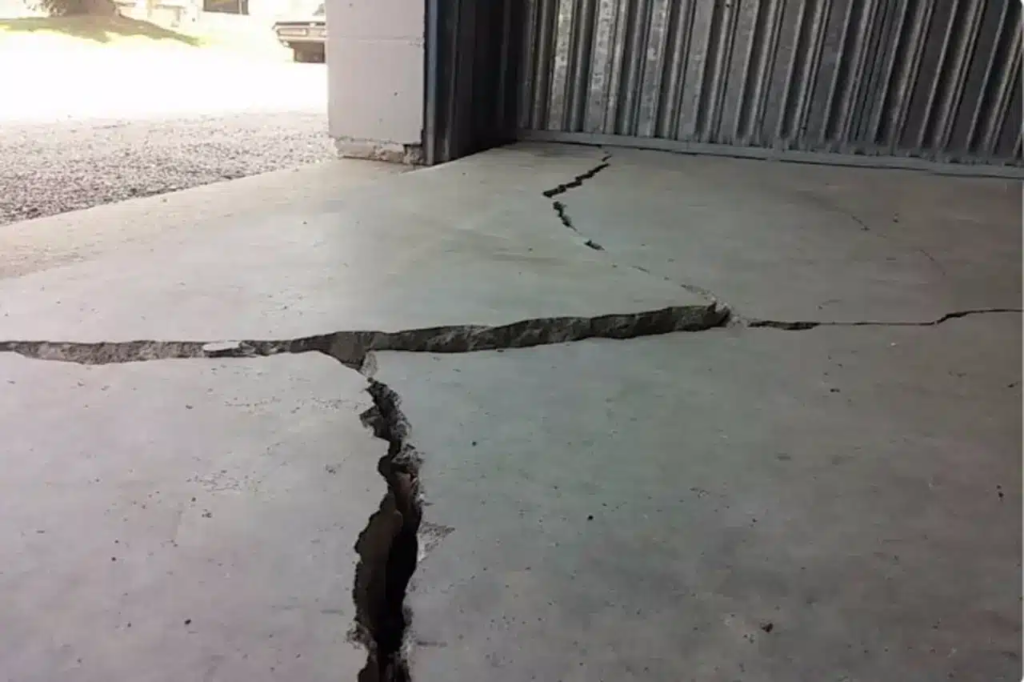
As your home ages, the ground beneath it slowly shifts.
This causes:
- Hairline cracks to form
- Slabs to settle unevenly
- Stress fractures to widen year after year
Even well-poured concrete will eventually show signs of age.
3. Daily Vehicle and Foot Traffic
Your garage supports:
- Cars and trucks
- Motorcycles
- Lawn equipment
- Heavy tools and storage racks
Each time you park or turn your wheels, pressure transfers into the concrete. Over time, this leads to:
- Surface erosion
- Chipping and flaking
- Worn-down high-traffic zones
4. Temperature Changes and Freeze–Thaw Damage
One of the biggest culprits behind cracked garage floors is temperature fluctuation.
Here’s what happens:
- Moisture seeps into small cracks
- Temperatures drop
- Water freezes and expands
- Cracks grow wider with each cycle
Even in mild climates, expansion and contraction weaken concrete over time.
5. Moisture, Salt, and Chemical Exposure
Garages are exposed to more chemicals than almost any other space:
- Oil and grease
- Road salt
- Gasoline
- Cleaning products
- Rain and snowmelt
Bare concrete absorbs these liquids easily, leading to:
- Permanent stains
- Surface breakdown
- Increased cracking
6. The Constant Dust Problem
That fine gray dust you keep sweeping up?
It’s concrete slowly breaking down.
This “dusting” makes garages:
- Look dirty even when clean
- Harder to maintain
- Unpleasant to walk through
Why Ignoring These Problems Makes Things Worse
Small cracks don’t stay small forever.
When left untreated:
- Cracks spread
- Moisture damage increases
- Uneven areas become tripping hazards
- Repair costs rise significantly
Most importantly, a damaged floor limits how you can use your garage.
The 2025 Shift: Garages Are No Longer Afterthoughts
Today’s garages are used as:
- Home gyms
- Workshops
- Hobby rooms
- Organized storage spaces
- Even entertainment areas
But none of this works without a solid, finished floor.
STEP 2: How Cracked and Uneven Garage Floors Are Fixed the Right Way
Fixing a garage floor isn’t about hiding damage — it’s about correcting it properly.
Why Traditional DIY Fixes Often Fail
Many homeowners try:
- Concrete patch kits
- Cheap epoxy paint
- Hardware-store sealers
These solutions often fail within a few years due to:
- Poor adhesion
- Peeling and bubbling
- Cracks reappearing
- Yellowing and fading
That’s because these products sit on top of the concrete instead of bonding into it.
The Professional Approach: A Full Floor Coating System
Modern garage floor upgrades use multi-step coating systems, not simple paint.
High-quality systems repair, seal, and protect the concrete from the inside out.
Step-by-Step: What the Process Looks Like
1. Surface Preparation
This is the most critical step.
Professionals:
- Grind the concrete surface
- Remove old coatings and contaminants
- Open concrete pores for deep bonding
Without proper prep, even the best coating will fail.
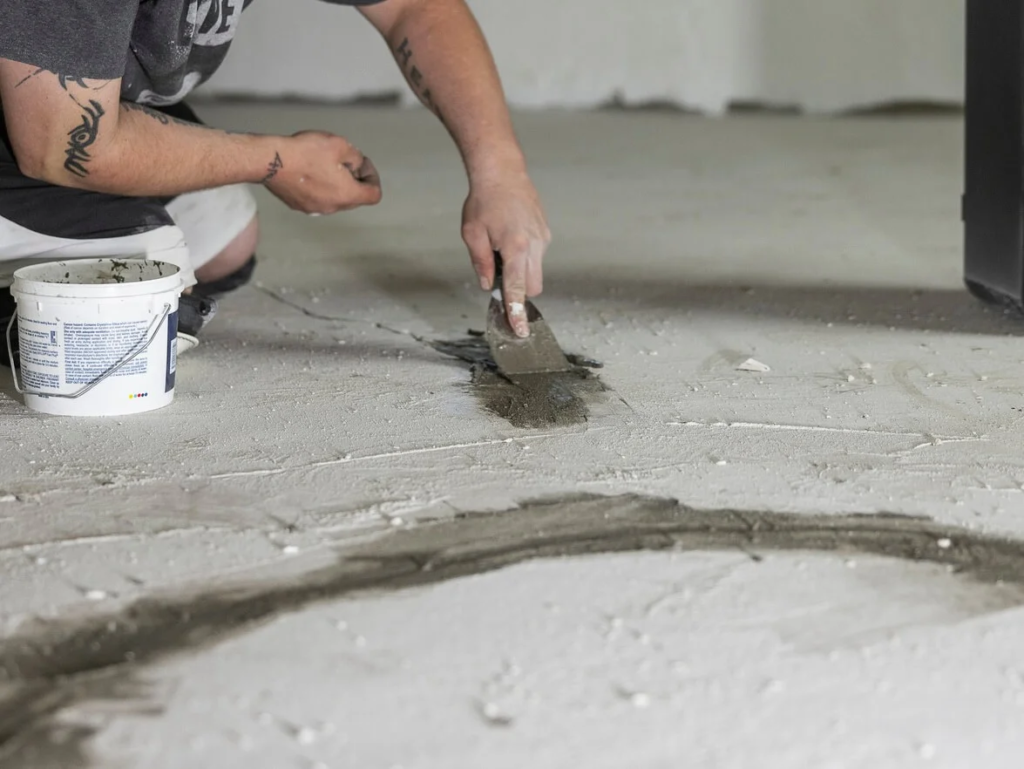
2. Crack and Damage Repair
Cracks and pits are:
- Cleaned
- Filled with specialized repair compounds
- Smoothed and reinforced
This prevents cracks from telegraphing through the finished floor.
3. Application of the Base Coat
A premium-grade coating is applied that:
- Penetrates deep into the concrete
- Bonds chemically with the surface
- Creates a seamless foundation
Systems like Floortex® are engineered specifically for garage environments.
4. Decorative Flake Broadcast
Decorative flakes are added while the base coat is still active.
These flakes:
- Improve traction
- Reduce slipping hazards
- Add visual depth
- Help disguise minor imperfections
5. Protective Topcoat
A clear, high-performance topcoat seals everything in.
It provides:
- Chemical resistance
- UV stability
- Scratch and wear protection
- A clean, polished finish
Fast-Curing Technology: A Game Changer
One major advancement in 2025 is fast-curing coatings.
Some premium systems cure in as little as 60 seconds.
This allows:
- Faster installation
- Minimal downtime
- Quick return to use
Your garage can often be ready the same day.
Why Product Quality Matters
Low-quality coatings may look fine at first, but they often:
- Peel within a few years
- Bubble under hot tires
- Fade or discolor
- Require costly reapplication
Premium systems stand out because they:
- Bond deeply into concrete
- Resist oil, salt, and chemicals
- Withstand heavy vehicle traffic
- Maintain their appearance for years
STEP 3: Why Fixing Your Garage Floor Is Worth It (And What You Gain)
Once the floor is done, homeowners often say the same thing:
“I didn’t realize how much the old floor bothered me.”
That’s because a finished floor changes how the entire space feels and functions.
1. Safer, More Comfortable Movement
No more:
- Tripping hazards
- Uneven patches
- Slippery dusty surfaces
Textured coatings provide grip without being rough underfoot.
2. Easier, Low-Maintenance Cleaning
Cleaning becomes simple:
- Squeegee and water
- Mild soap when needed
- No more endless sweeping
Dust and stains stay on the surface instead of soaking in.
3. Better Functionality for Any Use
A smooth, sealed floor makes it easier to:
- Park vehicles
- Roll toolboxes
- Set up gym equipment
- Work on projects
- Organize storage
Your garage finally works with you, not against you.
4. Increased Home Value and Buyer Appeal
Buyers notice garages.
A clean, professional-looking garage:
- Signals proper home maintenance
- Stands out in listings
- Adds perceived value
It’s one of the few upgrades that improves both daily life and resale appeal.
5. A Garage You Actually Enjoy Using
Whether your garage is:
- A workshop
- A gym
- A storage space
- A hobby zone
- Or simply a clean place to park
The difference is immediate.
A finished floor makes the garage feel like a real extension of your home.
Final Thought: It All Starts With the Floor
If you’re planning any kind of garage renovation in 2025, don’t skip the floor.
Cracks, dust, and uneven surfaces may seem like small issues, but they’re signs of deeper problems that only get worse over time.
Addressing them now:
- Prevents future damage
- Improves safety
- Enhances usability
- Sets the foundation for everything else
A better garage doesn’t start with cabinets or storage systems —
it starts under your feet.