
Metal garages are often associated with simple storage spaces for vehicles, tools, or equipment. But in recent years, homeowners, DIY enthusiasts, and hobbyists have discovered something exciting: a metal garage can easily become a cozy, functional workshop. With the right design choices, insulation, lighting, and organization, a basic metal building can transform into a warm and inspiring place to work on projects, repair equipment, or pursue creative hobbies.
In 2026, garage workshops are becoming more popular than ever. Whether you enjoy woodworking, metalworking, crafting, automotive projects, or general DIY tasks, creating a comfortable workshop environment can significantly improve productivity and enjoyment.
This guide explores inspiring metal garage interior ideas that combine practicality with comfort. From insulation tips and lighting upgrades to storage solutions and design inspiration, you’ll discover how to turn a cold metal garage into a cozy and highly functional workshop space.
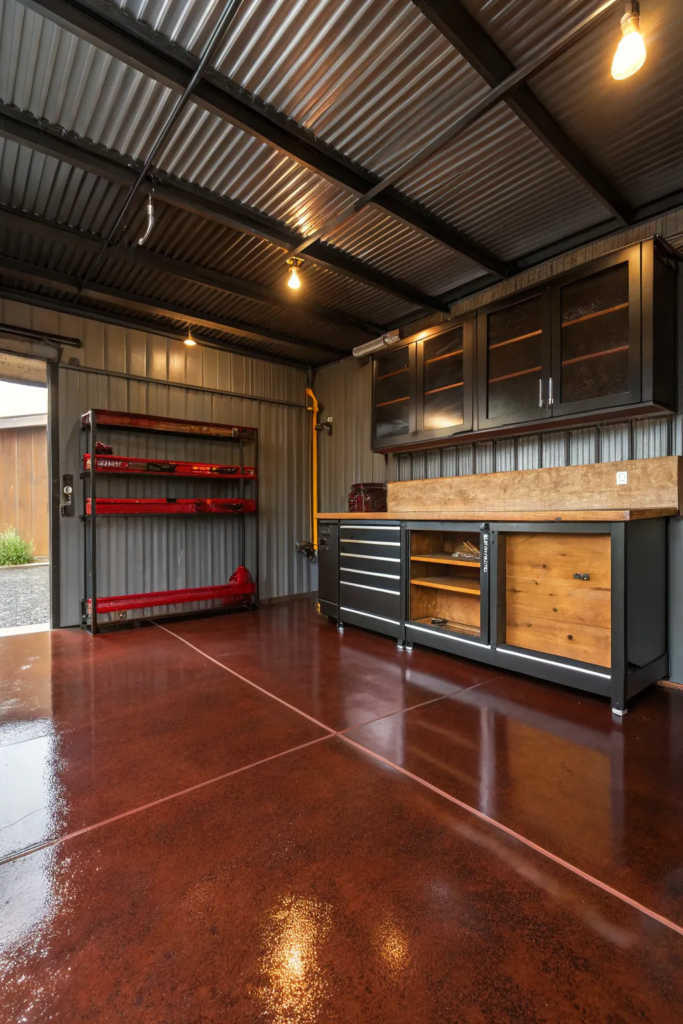
Why Turn a Metal Garage Into a Workshop?
A metal garage offers several advantages compared to traditional wooden structures or basement workshops.
Durability and Strength
Steel buildings are extremely durable and can handle heavy equipment, machinery, and storage without structural issues.
Large Open Space
Most metal garages have wide interiors without support walls, making them ideal for workshops that require flexible layouts.
Cost Efficiency
Metal garages are typically more affordable than building a dedicated workshop structure.
Easy Customization
Interior walls, insulation, electrical systems, and storage units can all be added after installation.
Because of these benefits, many homeowners now convert metal garages into comfortable hobby or workspaces rather than using them purely for storage.
Step 1: Insulate the Garage for Comfort
Metal buildings can feel extremely cold in winter and very hot in summer. Proper insulation is the first step toward creating a cozy workshop.
Spray Foam Insulation
Spray foam is one of the best options for metal buildings because it seals small gaps and improves temperature control.
Benefits include:
- Strong insulation performance
- Moisture resistance
- Reduced condensation
Fiberglass Panels
Fiberglass insulation panels are a more affordable option. They can be installed between framing studs once interior walls are built.
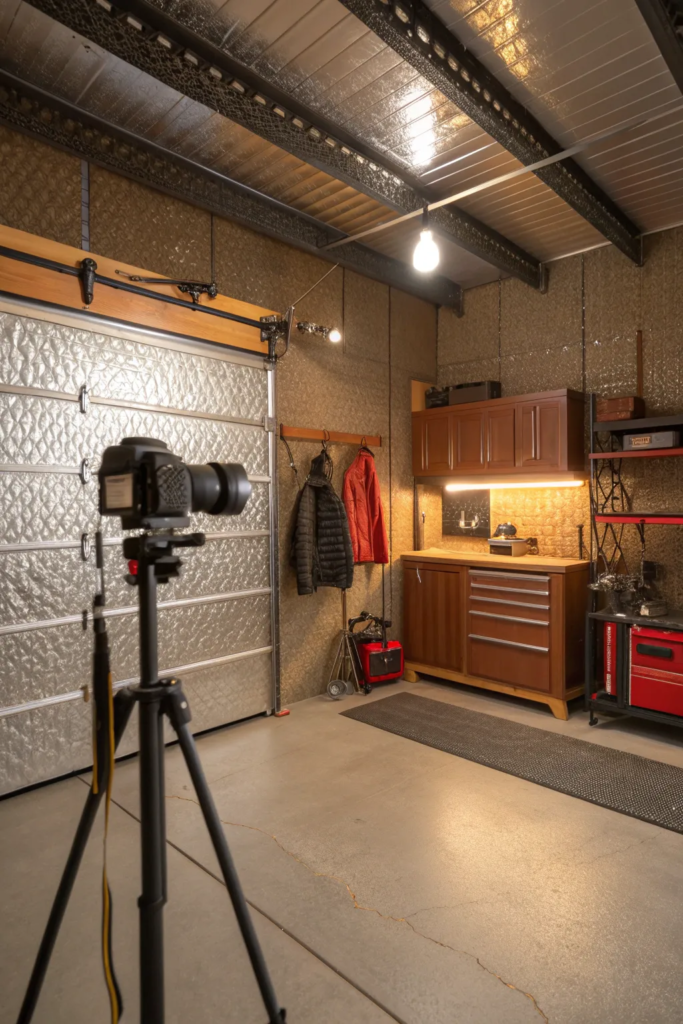
Reflective Radiant Barriers
These barriers reflect heat away from the building and are useful in hot climates.
Once insulated properly, your workshop will feel dramatically more comfortable throughout the year.
Step 2: Add Interior Wall Finishes
Bare metal walls often feel cold and industrial. Covering them with interior materials helps create a warmer atmosphere.
Plywood Walls
Plywood is extremely popular for workshops because it allows you to:
- Mount shelves easily
- Hang tools anywhere
- Install cabinets without studs
Many DIY enthusiasts prefer plywood walls over drywall because they are more durable.
OSB Panels
OSB (Oriented Strand Board) is another affordable wall covering that works well for garages and workshops.
Wood Paneling
For a cozy rustic look, wood paneling adds warmth and personality to a workshop space.
Step 3: Install Proper Lighting
Lighting is one of the most important elements of a good workshop.
Poor lighting can lead to mistakes, accidents, and eye strain.
LED Shop Lights
LED strip shop lights are ideal because they provide:
- Bright illumination
- Energy efficiency
- Long lifespan
Mount them across the ceiling to eliminate dark areas.
Task Lighting
Some workstations require extra lighting, especially for:
- Woodworking benches
- Craft tables
- Precision tools
Clamp lamps or adjustable LED lights work well.
Natural Light
If possible, add windows or skylights to bring natural light into the workshop.
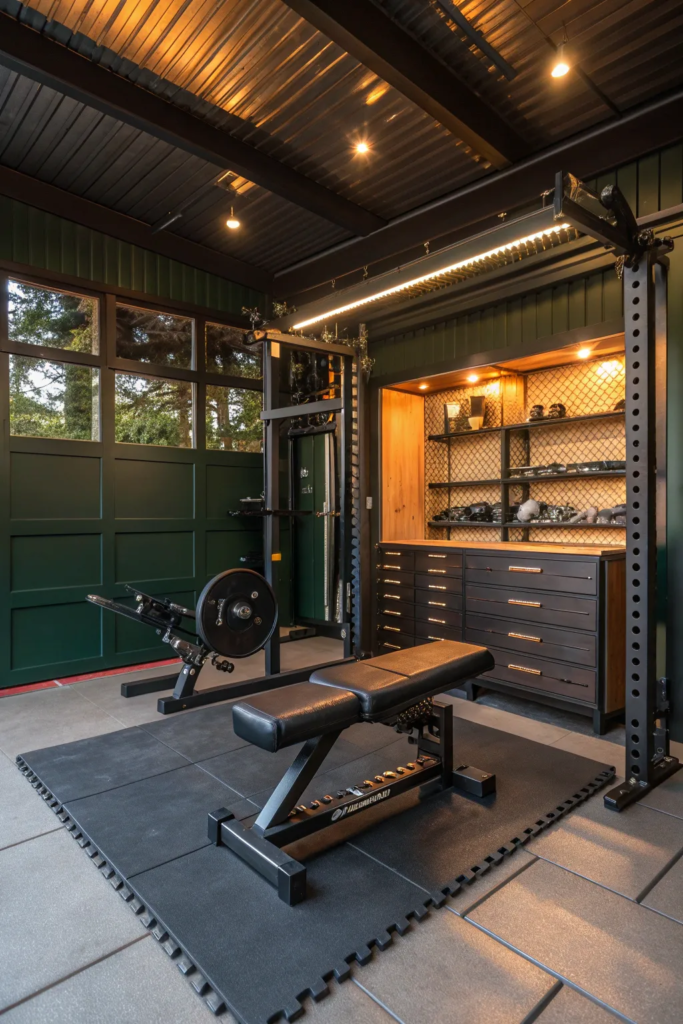
Step 4: Create a Functional Layout
A well-planned layout makes a workshop feel organized and comfortable.
Separate Work Zones
Divide the garage into different zones such as:
- Workbench area
- Tool storage area
- Machine area
- Material storage area
This organization prevents clutter and improves workflow.
Keep the Center Open
Large equipment or worktables should not block walking space.
An open center area makes the workshop feel spacious and safe.
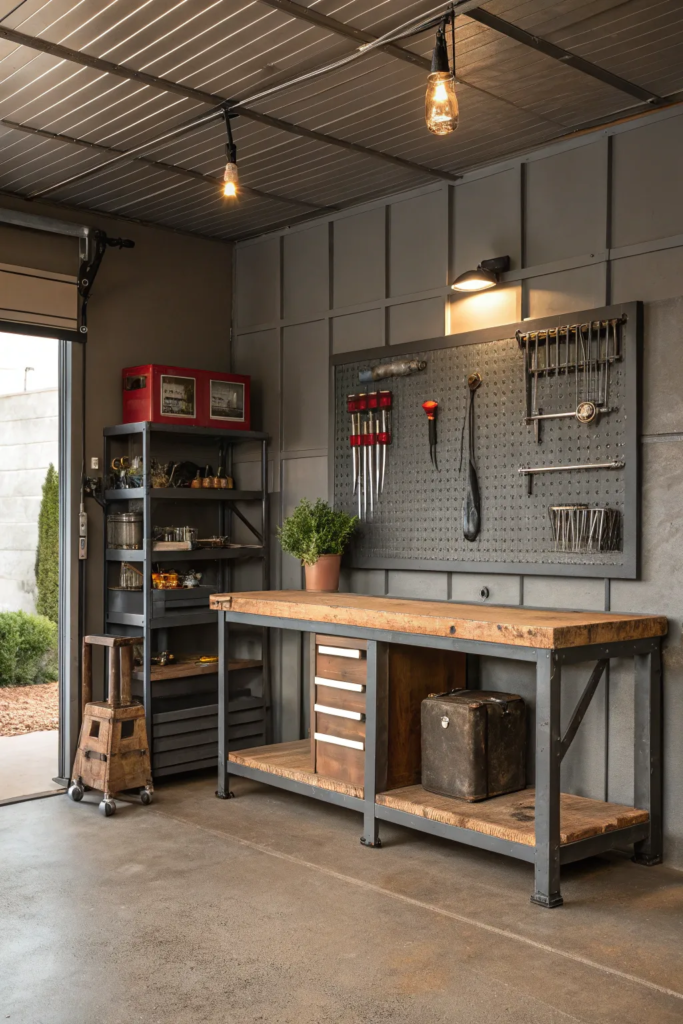
Step 5: Install a Strong Workbench
The workbench is the heart of any workshop.
A solid workbench allows you to complete most tasks comfortably.
Wooden Workbench
A thick hardwood or laminated wood surface is ideal for durability.
Steel Workbench
Metal workbenches are extremely strong and suitable for heavy mechanical work.
Mobile Workbench
A rolling workbench allows flexibility when working on large projects.
Many workshop owners even build custom workbenches with integrated storage drawers and power outlets.
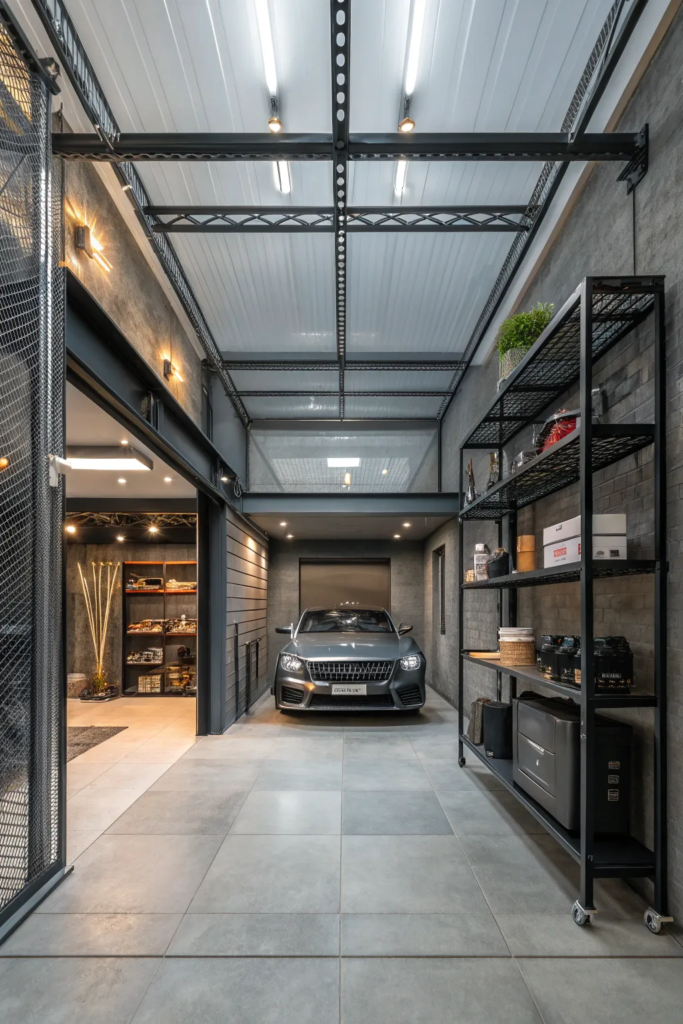
Step 6: Smart Tool Storage Ideas
An organized workshop is a productive workshop.
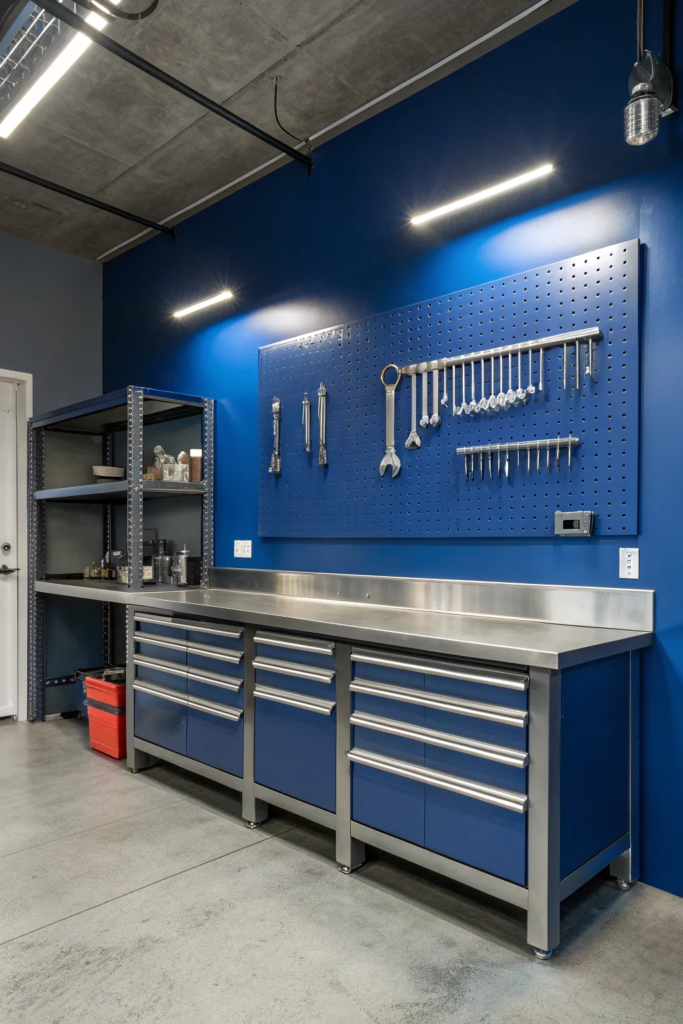
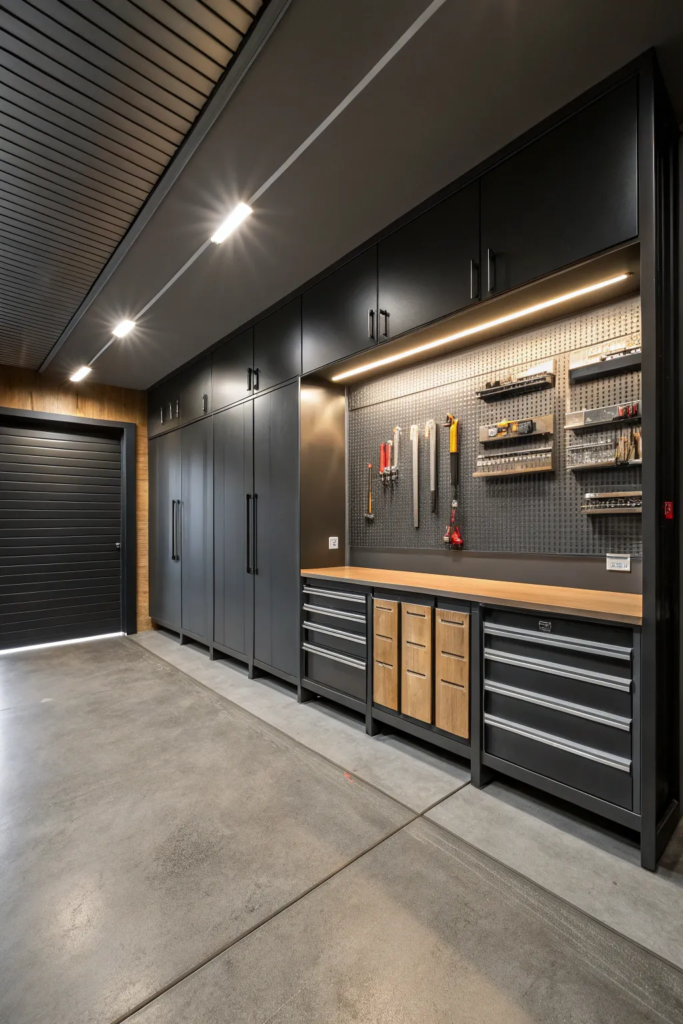
Pegboard Walls
Pegboards allow tools to be:
- Visible
- Accessible
- Easy to rearrange
This is one of the most popular storage systems for workshops.
French Cleat System
A French cleat wall system allows modular tool storage. Shelves, racks, and holders can be moved easily.
Magnetic Tool Bars
Magnetic bars are perfect for holding metal tools such as screwdrivers, wrenches, and drill bits.
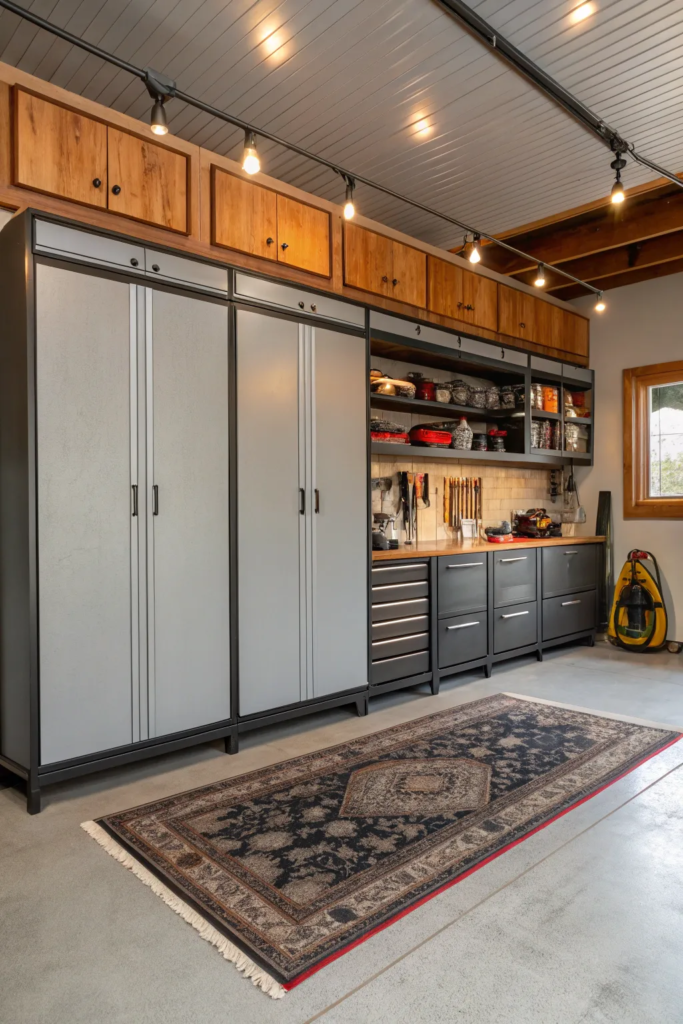
Tool Cabinets
Rolling tool cabinets are excellent for storing smaller equipment and hardware.
Step 7: Improve Flooring
Concrete floors are common in metal garages, but they can feel uncomfortable during long working hours.
Rubber Floor Mats
Rubber mats provide cushioning and reduce fatigue when standing.
Epoxy Floor Coating
Epoxy floors are durable, easy to clean, and resistant to chemicals.
Interlocking Garage Tiles
These tiles are easy to install and provide a professional workshop look.
Step 8: Add Heating and Cooling
A cozy workshop needs comfortable temperatures.
Portable Heaters
Electric heaters work well for smaller workshops.
Wood Stoves
For larger garages, a small wood stove creates a warm and rustic workshop environment.
Ceiling Fans
Fans help circulate air and reduce heat during summer.
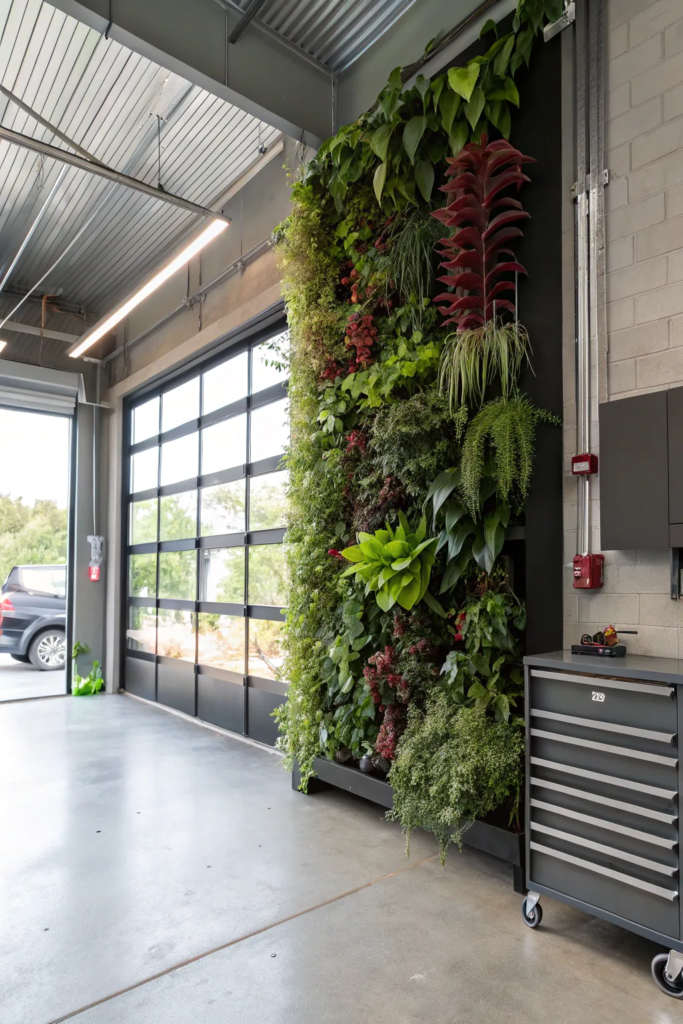
Step 9: Make the Space Feel Cozy
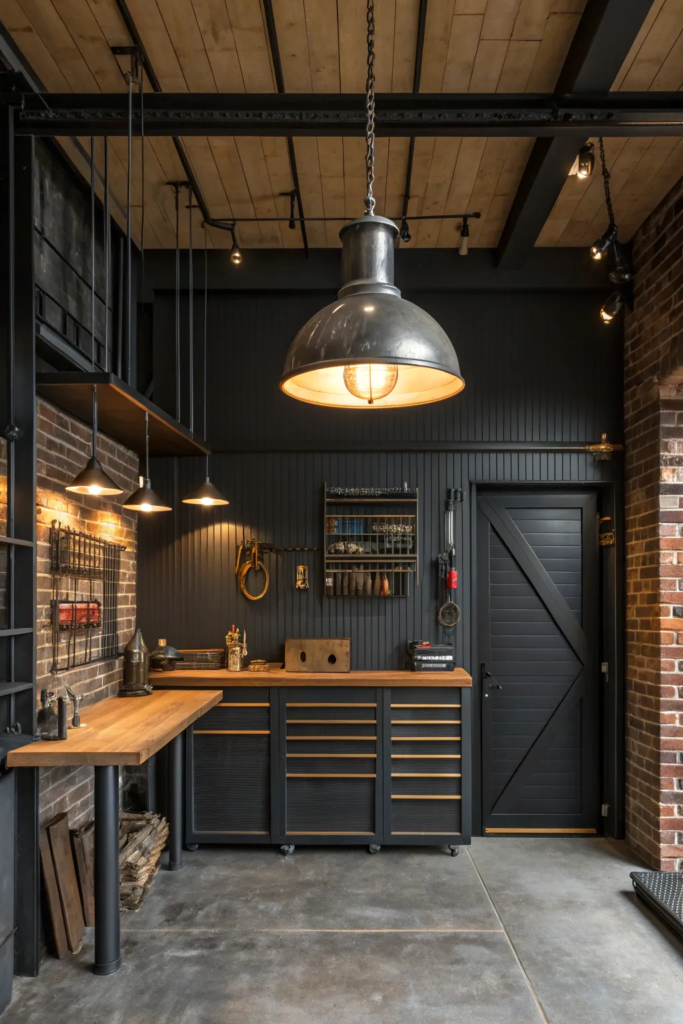
Workshops don’t have to feel purely industrial.
Small design touches can make the space enjoyable.
Warm Lighting
Soft lighting in certain areas creates a comfortable atmosphere.
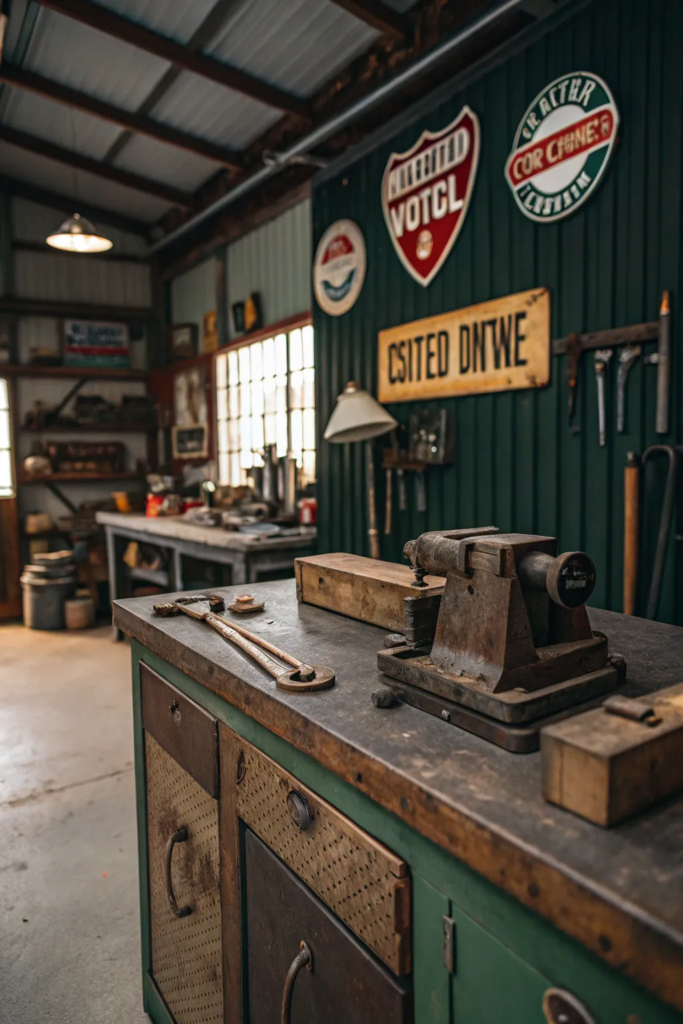
Decorative Elements
Consider adding:
- Vintage signs
- Wooden shelves
- Plants
Comfortable Seating
A small sofa or lounge chair can create a relaxing break area.
Step 10: Create a Dedicated Hobby Area
Many workshops include a special area dedicated to hobbies or creative work.
Examples include:
- Wood carving stations
- Craft tables
- Electronics repair benches
- Model building desks
This separation keeps delicate work away from heavy tools.
Step 11: Add Technology to Your Workshop
Modern workshops often include useful technology.
Bluetooth Speakers
Music or podcasts can make long projects more enjoyable.
Charging Stations
Install outlets and USB ports for charging devices and power tools.
Smart Lighting
Smart switches allow you to control lights easily.
Step 12: Keep Safety in Mind
Safety is essential in any workshop.
Fire Extinguishers
Always keep one nearby.
Ventilation
Proper airflow is important when working with paint, chemicals, or welding.
First Aid Kits
Minor injuries are common in workshops, so a first aid kit should always be available.
Budget-Friendly Workshop Upgrades
If you are working with a limited budget, focus on upgrades that provide the most value.
Affordable improvements include:
- DIY workbenches
- Pegboard storage systems
- LED shop lighting
- Rubber anti-fatigue mats
These simple upgrades can dramatically improve comfort and functionality without costing much.
Workshop Organization Tips
To keep your workshop efficient, follow a few simple rules.
Store Tools Near Work Areas
Frequently used tools should be within arm’s reach.
Label Storage Boxes
This prevents wasted time searching for items.
Keep the Floor Clear
Cluttered floors create safety hazards.
Schedule Regular Cleaning
A tidy workshop improves productivity.
Final Thoughts
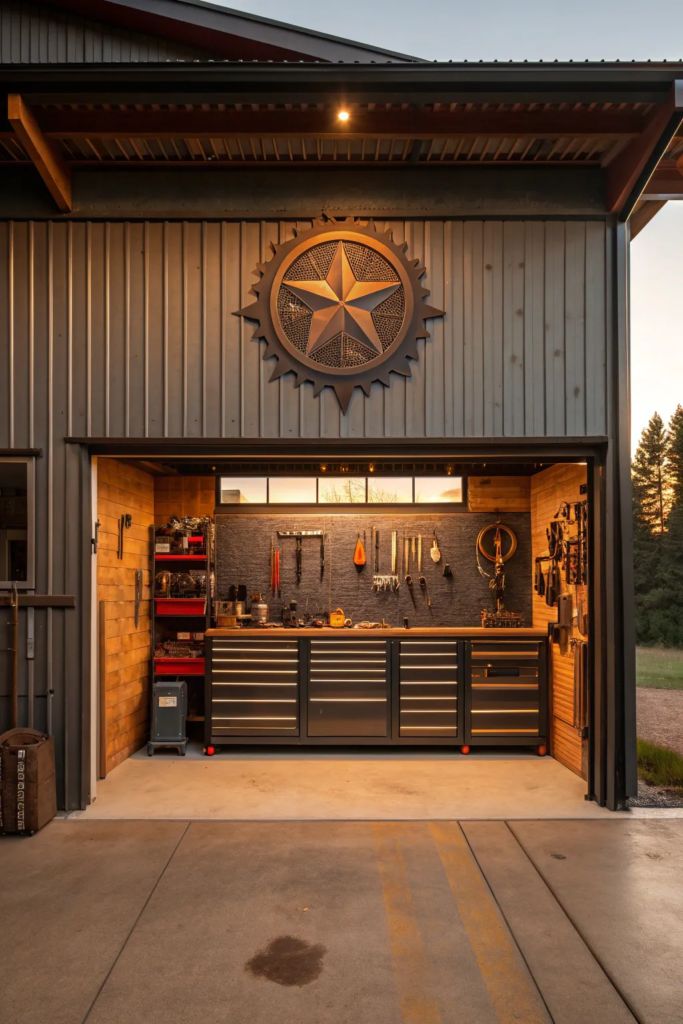
A metal garage doesn’t have to feel cold, empty, or purely functional. With thoughtful planning and a few strategic upgrades, it can become a comfortable, inspiring workshop where creativity and productivity thrive.
By adding insulation, proper lighting, strong workbenches, smart storage systems, and personal design touches, you can transform a simple metal structure into a warm and inviting workspace.
Whether you enjoy woodworking, repairing cars, crafting, or DIY home improvement projects, a well-designed workshop makes every project more enjoyable.
The best part is that many of these improvements are budget-friendly and achievable through DIY projects, allowing you to create a workshop that perfectly fits your needs and style.