
When winter arrives, a heated garage feels like a luxury. Stepping into a warm space, avoiding icy windshields, and getting into a comfortable car on freezing mornings sounds like the perfect setup.
For many homeowners, heating the garage seems like a smart upgrade—especially if you already use the space as a workshop, gym, or storage area.
But here’s the uncomfortable truth:
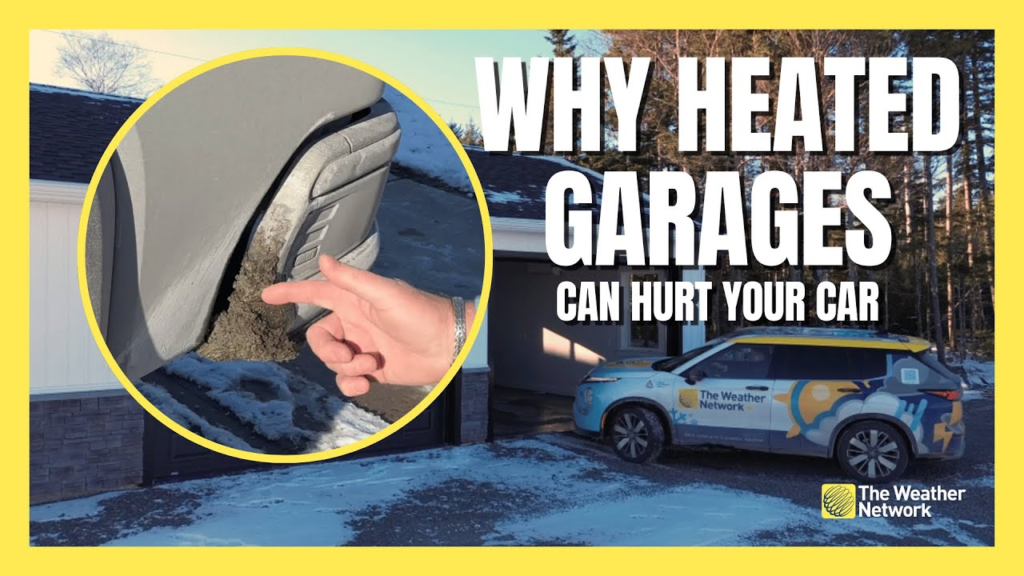
👉 Parking your car in a heated garage during winter can quietly damage your vehicle, your garage, and even your home.
This doesn’t mean heated garages are always bad—but it does mean most people use them the wrong way.
In this article series, we’ll explain:
- What actually happens to your car in a heated garage
- Why winter conditions make this worse
- The long-term risks most drivers overlook
- And how to use a garage smarter without harming your vehicle
Let’s start with what’s happening beneath the surface.
The Big Misconception About Heated Garages
Most people believe one simple idea:
“Cold is bad for cars. Warm must be better.”
That sounds logical—but winter driving introduces a critical factor many people forget:
Salt, moisture, and chemical residue.
Your car doesn’t enter the garage clean and dry. It enters coated in:
- Road salt
- De-icing chemicals
- Snow slush
- Moisture trapped in wheel wells and undercarriage
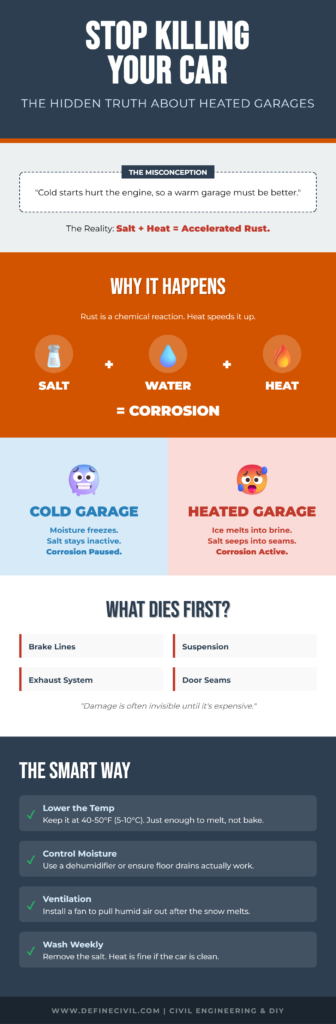
And when you park that wet, salty car in a heated environment, you create the perfect conditions for corrosion.
Why Heated Garages Accelerate Rust
Rust isn’t caused by cold alone. Rust needs three things:
- Metal
- Oxygen
- Moisture
A heated garage provides all three—especially after winter driving.
What Happens Step by Step
- You drive on salted winter roads
- Salt sticks to your car’s underside, brakes, and body seams
- Snow and ice melt in the heated garage
- Moisture stays active instead of freezing
- Salt + water + oxygen = accelerated corrosion
In an unheated garage or outdoors, moisture often freezes, slowing chemical reactions. In a heated garage, everything stays wet and reactive for hours.
This is why many mechanics will tell you:
“Cars rust faster in warm garages than cold ones during winter.”
The Undercarriage Takes the Biggest Hit
The most vulnerable parts of your car are also the ones you rarely see.
High-Risk Areas Include:
- Brake lines
- Suspension components
- Exhaust system
- Frame rails
- Wheel wells
These areas trap salty slush easily. When parked in a heated garage, that slush melts and seeps into seams and crevices—staying wet far longer than it would outdoors.
Over multiple winters, this leads to:
- Premature brake line failure
- Seized suspension parts
- Exhaust rust-through
- Structural corrosion
These repairs are expensive—and often show up years later, long after the damage has started.
Heated Garages and Brake System Damage
One of the most overlooked risks involves your brakes.
Why Brakes Suffer in Heated Garages
- Saltwater melts off and coats brake components
- Moisture stays active instead of freezing
- Repeated heat–cold cycles accelerate corrosion
This can cause:
- Rusted brake rotors
- Sticking calipers
- Uneven brake wear
- Reduced braking performance
Ironically, a garage meant to protect your car can shorten the life of one of its most critical safety systems.
Moisture Buildup Inside the Garage Itself
It’s not just your car that suffers.
A heated garage filled with melting snow creates a humidity problem.
Common Garage Moisture Issues:
- Condensation on walls and ceilings
- Rust on tools and equipment
- Mold growth in corners and insulation
- Damp odors that never go away
If your garage is attached to your house, this moisture can migrate indoors, affecting air quality and insulation performance.
Temperature Cycling Is Worse Than Cold Alone
Another hidden issue is thermal cycling.
Each winter day looks like this:
- Cold drive outside
- Warm garage parking
- Cold drive again
This repeated expansion and contraction:
- Stresses metal components
- Weakens protective coatings
- Causes micro-cracks in paint and undercoating
Over time, this accelerates wear compared to staying consistently cold.
Why Older Cars Are at Even Greater Risk
Modern vehicles have better coatings—but no car is immune.
Older vehicles:
- Have thinner factory rust protection
- May already have exposed metal
- Often lack full underbody shielding
A heated garage can significantly shorten their remaining lifespan if winter salt isn’t managed properly.
When Heated Garages Actually Make Sense
To be clear: heated garages are not inherently bad.
They can be beneficial if:
- You wash the car before parking
- You manage humidity properly
- You prevent salt buildup
The problem isn’t heat—it’s heat + salt + moisture.
Most homeowners heat the garage but don’t control the environment.
The False Comfort of a Warm Garage
A heated garage feels good in the moment:
- No scraping ice
- Comfortable entry
- Warm interior
But the damage it causes is slow, silent, and expensive.
Many people only discover the problem when:
- Brake lines fail inspection
- Rust appears along door seams
- Suspension parts seize
By then, the damage is already done.
Is parking outside—or in an unheated garage—actually better for your car in winter?
Surprisingly, in many cases, the answer is yes.
This section explains why cold conditions slow damage, how freezing can protect metal, and which winter car care myths need to be retired for good.
Why Cold Temperatures Can Slow Rust
Rust is a chemical reaction, and like most chemical reactions, it slows down in cold temperatures.
The Science Made Simple
Rust forms when:
- Metal is exposed to oxygen
- Moisture is present
- Chemical reactions occur
Cold temperatures:
- Reduce molecular activity
- Slow down oxidation
- Freeze moisture, making it inactive
In very cold environments, moisture becomes solid ice. While ice can still cause mechanical stress, it does not promote corrosion the way liquid water does.
This is why cars parked outdoors in consistently cold, dry conditions often rust less than cars parked in warm, wet environments.
Why Freezing Is Often Better Than Thawing
The most damaging condition for your car is not extreme cold—it’s repeated thawing.
Thawing Creates Active Moisture
When snow and ice melt:
- Water flows into seams and joints
- Salt dissolves and spreads
- Moisture stays in contact with metal
A heated garage creates daily thaw cycles, which keep corrosion active for hours every night.
In contrast, a car parked outside in freezing temperatures often stays frozen until driven again—minimizing active corrosion time.
The “Cold Start” Myth Explained
One of the most common arguments for heated garages is:
“Cold starts are bad for engines.”
This used to be true decades ago—but modern vehicles are different.
Why Cold Starts Are Less Dangerous Today
Modern cars have:
- Multi-grade synthetic oils
- Electronic fuel injection
- Improved engine tolerances
- Faster oil circulation
While cold starts still cause some wear, the difference between a cold garage and a heated garage is much smaller than people think—especially compared to corrosion damage.
In fact, the long-term cost of rust often outweighs the marginal benefit of warmer starts.
Unheated Garages: The Best Middle Ground
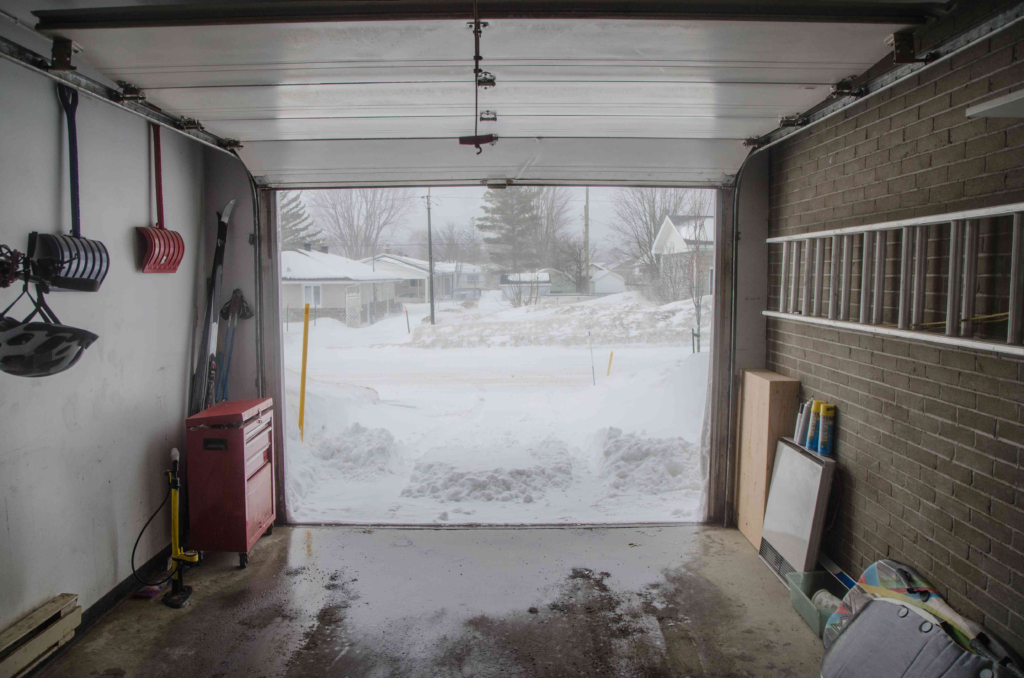
If you want protection without corrosion risk, an unheated but enclosed garage is often ideal.
Benefits of an Unheated Garage
- Shields car from wind and snow
- Reduces UV exposure
- Prevents constant wetting from precipitation
- Keeps temperatures stable and cold
Because temperatures remain low, moisture stays frozen and corrosion reactions slow dramatically.
This is why many classic car owners prefer cool, dry storage over warm storage.
Why Moisture Is the Real Enemy (Not Cold)
Cold doesn’t destroy cars—moisture does.
A heated garage:
- Melts snow and ice
- Raises humidity
- Traps moisture overnight
An unheated garage:
- Keeps moisture frozen
- Maintains lower humidity
- Reduces condensation
This difference explains why tools, bikes, and equipment rust faster in warm, damp garages than in cold, dry sheds.
Heated Garages and Condensation Cycles
Another overlooked problem is condensation.
How Condensation Forms
When a cold car enters a warm garage:
- Warm air hits cold metal
- Moisture condenses on surfaces
- Water forms inside seams and cavities
This internal condensation is particularly dangerous because it reaches areas that are never fully dried.
Over time, this leads to hidden rust that appears suddenly years later.
Why Parking Outside Isn’t Always Worse
People assume outdoor parking is always harsh—but in winter, it can be less damaging than improper indoor storage.
Outdoor winter parking:
- Keeps snow frozen
- Allows airflow to reduce humidity
- Avoids prolonged wet conditions
Yes, ice scraping is inconvenient—but inconvenience does not equal damage.
Vehicles Most Affected by Heated Garage Parking
Some vehicles are more vulnerable than others.
High-Risk Categories
- Older vehicles without modern coatings
- Cars driven daily on salted roads
- Vehicles with exposed undercarriage components
- Trucks and SUVs with open frame rails
For these vehicles, warm salt exposure is especially damaging.
When Cold Parking Is NOT Ideal
Cold parking isn’t perfect for every situation.
It may not be ideal if:
- You live in a wet coastal climate
- Temperatures hover around freezing (constant thawing)
- Your vehicle already has rust damage
- You never wash your car in winter
The goal is dry and stable conditions, not simply “cold.”
How to Use a Heated Garage Safely (and the Smart Winter Parking Decision Guide)
By now, one thing should be clear:
A heated garage is not automatically bad for your car—but using it incorrectly is.
In Part 1, we explored how heated garages accelerate rust by keeping salt and moisture active.
In Part 2, we explained why cold or unheated parking can actually slow corrosion.
So the final question becomes:
What should you do if you already have a heated garage—or are planning to use one this winter?
This final part gives you practical, real-world solutions, not theory. You’ll learn how to safely park in a heated garage, control moisture, and decide which parking option makes the most sense for your climate and vehicle.
The Real Rule of Winter Parking (Most People Miss This)
The safest winter parking setup is not about temperature alone.
👉 Dry + stable conditions matter more than warm conditions.
A warm garage with uncontrolled moisture is worse than a cold, dry environment.
A warm garage with proper drainage, ventilation, and humidity control can be safe.
Let’s break down how to do this correctly.
How to Safely Park in a Heated Garage During Winter
If you plan to park in a heated garage, these steps are not optional—they’re essential.
1. Control Moisture First (Before Anything Else)
Heat without moisture control is the biggest mistake homeowners make.
What You Must Do:
- Install a floor drain or ensure water can flow out
- Slope the garage floor away from walls
- Remove standing water immediately
If melted snow stays on the floor overnight, humidity will remain high—and corrosion will continue.
2. Use Ventilation to Remove Humid Air
A heated garage without ventilation traps moisture.
Smart Ventilation Options:
- Wall or ceiling exhaust fan
- Passive vents on opposite walls
- Periodic air exchange with outside air
Ventilation removes humid air before it settles on metal surfaces.
💡 Even cracking the garage door slightly for airflow can reduce condensation in some climates.
3. Keep Garage Temperatures Moderate (Not Hot)
Many people overheat their garage thinking “warmer is better.”
It’s not.
Ideal Heated Garage Temperature:
- 5–10°C (40–50°F)
This:
- Reduces condensation shock
- Limits salt activation
- Prevents extreme thaw cycles
Avoid heating your garage to room temperature in winter unless humidity is strictly controlled.
4. Wash the Car Regularly (Especially the Undercarriage)
If you park in a heated garage, washing becomes critical.
Best Practices:
- Wash salt off weekly in winter
- Focus on undercarriage and wheel wells
- Let the car drip-dry before parking overnight
Salt left on the car in a warm garage is the fastest way to destroy rust protection.
5. Use a Dehumidifier in Humid Climates
In areas with frequent snow and thaw cycles, a dehumidifier can make a huge difference.
Benefits:
- Reduces condensation
- Protects tools and equipment
- Slows corrosion
Set it to maintain relative humidity below 50%.
The Smart Winter Parking Options (Compared)
Let’s compare the three most common winter parking setups.
Option 1: Heated Garage (Controlled)
Best if you:
- Manage moisture and ventilation
- Wash salt off regularly
- Keep moderate temperatures
✔ Comfortable
✔ Protects interior
✔ Safe when done correctly
❌ Risky if moisture is ignored
Option 2: Unheated Garage (Often Ideal)
Best if you:
- Want rust protection without complexity
- Live in cold, dry climates
- Drive daily on salted roads
✔ Cold slows corrosion
✔ Snow stays frozen
✔ Minimal humidity issues
❌ Cold starts
❌ Less comfort
This is often the best balance for winter car storage.
Option 3: Outdoor Parking
Best if you:
- Lack garage space
- Live in consistently cold climates
- Maintain your car regularly
✔ Natural airflow
✔ No trapped humidity
✔ No indoor salt activation
❌ Ice scraping
❌ Interior cold
❌ Weather exposure
Outdoor parking is not ideal—but it’s often less damaging than a poorly managed heated garage.
Climate Matters More Than You Think
Your local climate changes the best decision.
Cold & Dry Climates
- Unheated garages perform extremely well
- Heated garages need strict moisture control
Cold & Wet Climates
- Heated garages are risky without dehumidification
- Frequent washing is essential
Freeze–Thaw Regions
- Constant thawing causes the most damage
- Moisture control becomes critical
There is no one-size-fits-all answer—but moisture management always wins.
Vehicles That Benefit Most From Smart Winter Parking
Some vehicles deserve extra attention.
- Older cars
- Vehicles you plan to keep long-term
- Cars with known rust-prone designs
- Classic or collector vehicles
For these, corrosion prevention matters more than short-term comfort.
Signs Your Garage Setup Is Causing Damage
Watch for these warning signs:
- Persistent damp smell in the garage
- Condensation on walls or windows
- Rust forming on tools or shelving
- White salt residue on the floor
- Rust spots appearing suddenly on your car
If you see these, your garage environment needs adjustment.
A Simple Winter Parking Decision Guide
Ask yourself:
- Is moisture controlled in my garage?
- Do I wash salt off my car regularly?
- Is the garage moderately heated—not overheated?
- Is there ventilation or dehumidification?
If the answer is no to most of these:
👉 An unheated garage or outdoor parking may actually be safer.
Final Takeaway: Warmth Is Comfort—Dryness Is Protection
Heated garages feel good, but comfort does not equal preservation.
In winter:
- Salt causes damage
- Moisture accelerates rust
- Heat keeps corrosion active
The safest approach is not blindly choosing warmth—but choosing control.
Final Conclusion
You shouldn’t automatically park in a heated garage this winter—not unless the environment is properly managed.
A poorly controlled heated garage can:
- Shorten vehicle lifespan
- Accelerate rust
- Create expensive hidden damage
A cool, dry, stable environment—heated or not—is what truly protects your car.