

A small garage can feel like a constant battle between storage and space. Tools pile up, bikes lean against the walls, and everyday items seem to multiply overnight. Before long, even a simple task like finding a screwdriver or pulling out a ladder becomes frustrating.
But the problem usually isn’t the size of the garage—it’s the way the space is used.
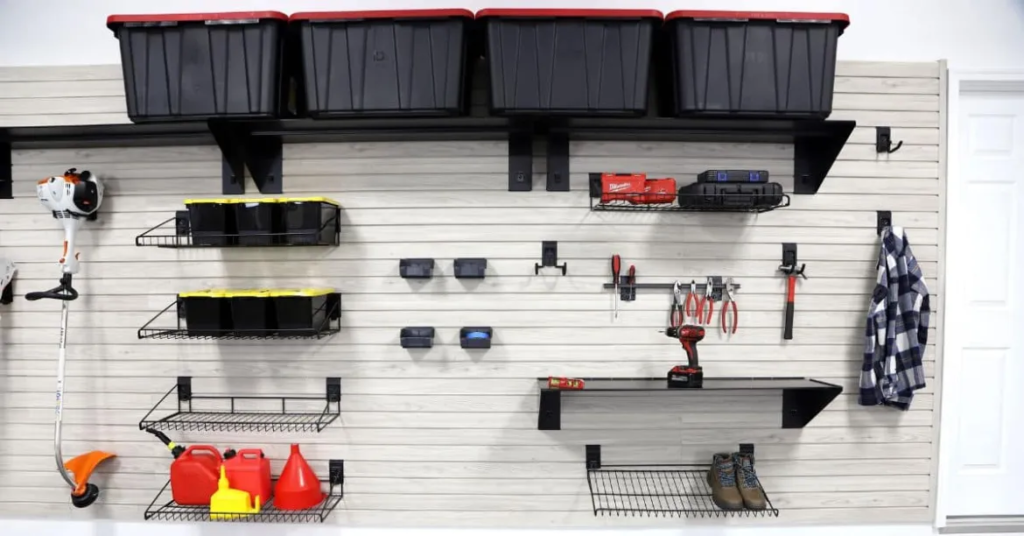
One of the smartest solutions for organizing a tight garage is slatwall storage. Slatwall systems allow you to turn empty wall space into flexible, vertical storage using hooks, baskets, shelves, and brackets that can be rearranged anytime.
Unlike traditional shelving or cabinets that permanently occupy valuable floor space, slatwall panels allow you to store items vertically and adapt your layout whenever your storage needs change.
In this guide, we’ll explore seven highly effective slatwall layouts designed specifically for small garages, helping you maximize every inch of available space while keeping tools and equipment easily accessible.
What Is a Slatwall System?
A slatwall is a wall-mounted storage panel with horizontal grooves that hold specialized hooks, shelves, and accessories.
These panels are typically made from:
- PVC
- metal
- composite materials
- reinforced plastic
The grooves allow accessories to slide in and out easily, giving you the freedom to rearrange your storage setup whenever needed.
This modular flexibility is one of the biggest advantages of slatwall systems, especially in small garages where every inch matters.
Why Slatwall Works So Well in Small Garages
Small garages benefit enormously from vertical storage solutions.
Slatwall systems help solve several common problems.
1. Uses Vertical Space
Most garages have plenty of unused wall space. Slatwall panels allow you to store items upward rather than outward, freeing valuable floor space.
2. Keeps Tools Visible
Unlike cabinets where tools get hidden, slatwall storage keeps everything visible and within reach.
3. Flexible Organization
You can move hooks, shelves, and baskets anytime, allowing your storage system to evolve as your needs change.
4. Reduces Clutter
When tools have designated spots, they’re easier to return after use, keeping the garage consistently organized.
Planning Your Slatwall Layout
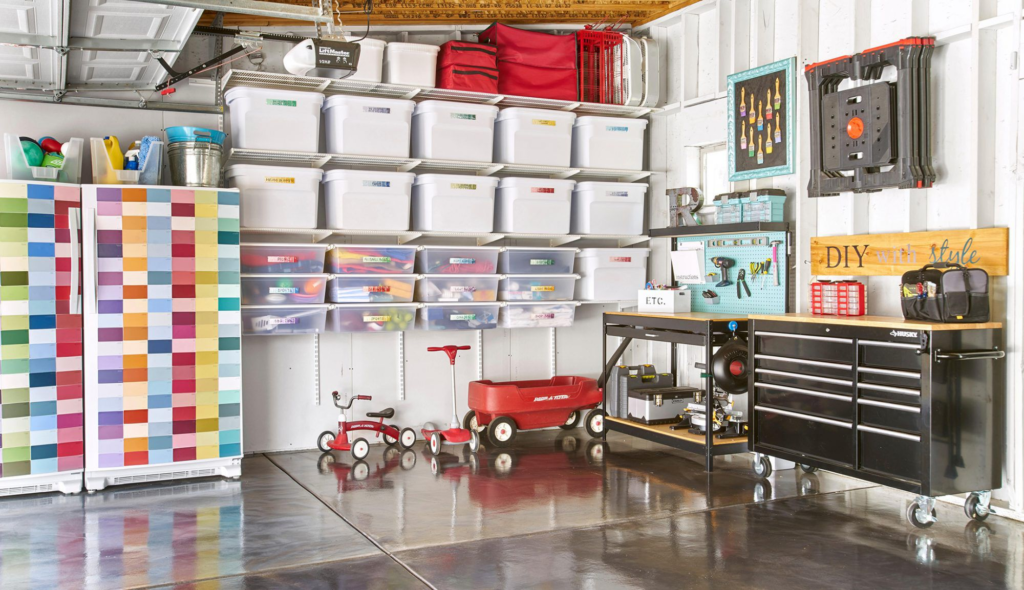
Before installing slatwall panels, it’s important to evaluate your garage space carefully.
Consider these questions:
- Which walls are available for storage?
- What items need to be stored?
- Which tools should remain easily accessible?
Create zones for different categories, such as:
- hand tools
- garden equipment
- sports gear
- power tools
- seasonal items
Once you identify these zones, you can choose the slatwall layout that best fits your garage.
Layout 1: Full Wall Slatwall Storage
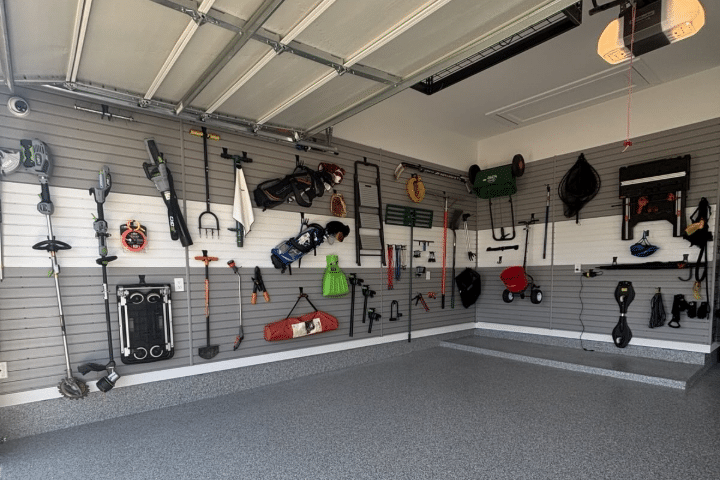
The full wall layout is one of the most effective options for maximizing storage in a small garage.
Instead of installing panels in a small section, you cover an entire wall with slatwall panels.
Benefits
- Maximum storage capacity
- Flexible tool arrangement
- Clean, organized appearance
This layout works especially well behind a workbench or along a long garage wall.
Best Uses
Full wall slatwall storage is ideal for organizing:
- hand tools
- power tools
- extension cords
- drill chargers
- measuring equipment
Because the entire wall becomes a storage surface, you can easily reorganize tools as your collection grows.
Layout 2: Workbench Tool Wall
If you frequently work on projects in the garage, creating a dedicated tool wall above the workbench is incredibly useful.
In this layout, slatwall panels are installed directly behind the workbench.
Advantages
- tools remain within arm’s reach
- work surface stays clutter-free
- improves efficiency
Hooks and holders can store:
- screwdrivers
- pliers
- wrenches
- drills
- measuring tapes
Adding small baskets or trays for screws and hardware can further enhance organization.
Pro Tip
Keep frequently used tools at eye level and heavier tools lower for easier access.
Layout 3: Corner Slatwall Layout
Garage corners are often underutilized, especially in small spaces.
A corner slatwall layout uses two intersecting walls to create a vertical storage zone.
Benefits
- maximizes otherwise unused space
- great for awkward-shaped garages
- allows separation of tool categories
For example:
- one wall for garden tools
- one wall for workshop equipment
Using corner hooks and angled brackets can help make the most of the corner space.
Layout 4: Vertical Tool Rack Layout
Some items—such as rakes, shovels, and brooms—are difficult to store using traditional shelving.
The vertical tool rack layout uses slatwall hooks designed for long-handled tools.
Advantages
- keeps tools upright and organized
- prevents tools from falling over
- saves floor space
This layout is perfect for storing:
- garden tools
- snow shovels
- leaf rakes
- mops
- brooms
Installing this layout near the garage door makes it convenient to grab tools quickly when working outside.
Layout 5: Sports Equipment Wall
Sports gear can quickly take over a small garage.
Balls, helmets, rackets, and bags often pile up in random corners.
A sports equipment slatwall layout keeps everything organized in one place.
Ideal Accessories
Slatwall accessories for sports gear include:
- ball holders
- basket racks
- helmet hooks
- shelf brackets
Benefits
This layout helps:
- keep sports gear accessible
- prevent damage to equipment
- reduce clutter on the floor
Families with children often find this layout especially helpful.
Layout 6: Hybrid Slatwall and Shelf Layout
Combining slatwall panels with shelves creates a highly efficient storage system.
In this design, slatwall panels cover the wall while shelves are installed above or below them.
Advantages
- slatwall holds tools
- shelves hold boxes or bins
- flexible storage options
For example:
- slatwall hooks for tools
- shelves for paint cans
- bins for small hardware
This layout is ideal for garages that serve both as workshops and storage areas.
Layout 7: Narrow Strip Slatwall Layout
Not every garage wall has enough space for large panels.
The narrow strip layout uses vertical or horizontal strips of slatwall panels in tight spaces.
Examples
Install narrow slatwall strips:
- between garage doors
- beside cabinets
- next to the entry door
- between wall studs
These small strips can hold:
- keys
- small tools
- gloves
- flashlights
Even small wall sections can provide valuable storage.
Choosing the Right Slatwall Accessories
Accessories determine how effective your slatwall layout becomes.
Common accessories include:
Hooks
Hooks are the most versatile option.
They work well for:
- tools
- extension cords
- hoses
Shelves
Shelves provide support for:
- small boxes
- containers
- power tools
Baskets
Baskets are perfect for storing:
- gloves
- cleaning supplies
- small sports equipment
Tool Holders
Specialized holders keep tools organized and prevent them from slipping.
Organizing Your Slatwall Efficiently
Simply installing slatwall panels is not enough. The way you organize them matters.
Group Similar Items
Keep similar tools together to make them easier to find.
Use Vertical Layers
Place frequently used items at eye level.
Less-used items can go higher or lower.
Leave Space for Growth
Avoid filling every slot immediately. Leaving extra space allows for future tools.
Color and Design Ideas
Slatwall panels also contribute to the overall look of the garage.
Common color choices include:
- white
- gray
- black
White panels brighten the garage and reflect light.
Dark panels create a modern workshop look and hide scuffs better.
You can also paint the wall behind the panels to create an accent color.
Lighting and Slatwall Layouts
Proper lighting enhances the functionality of slatwall storage.
Bright LED lights make tools easier to locate.
Task lighting above workbenches helps illuminate the slatwall area.
Avoid placing slatwall panels where large shadows will block visibility.
Installation Tips for Slatwall Panels
Installing slatwall panels is usually straightforward.
Step 1: Locate Wall Studs
Secure panels into studs to ensure they support heavy tools.
Step 2: Use a Level
Ensure panels are perfectly level to avoid crooked accessories.
Step 3: Leave Floor Clearance
Install panels slightly above the floor to prevent moisture damage.
Step 4: Start with Key Zones
Begin installation where storage is most needed.
Common Mistakes to Avoid
When installing slatwall in a small garage, certain mistakes can reduce its effectiveness.
Overloading the Wall
Too many items can make the wall look cluttered.
Poor Layout Planning
Install panels in areas that make sense for your workflow.
Ignoring Weight Limits
Check manufacturer weight ratings for hooks and shelves.
Blocking Electrical Outlets
Plan panel placement carefully to maintain access to outlets.
Benefits of Slatwall Storage
Once installed properly, slatwall systems offer many advantages.
Better Organization
Everything has a designated place.
Flexible Storage
Hooks and accessories can be moved anytime.
Increased Floor Space
Vertical storage frees up room for vehicles and larger equipment.
Professional Appearance
The garage looks cleaner and more organized.
Final Thoughts
A small garage doesn’t have to feel cramped or chaotic. With the right storage strategy, even limited space can become highly functional and organized.
Slatwall systems offer one of the most versatile and efficient storage solutions available. By taking advantage of vertical space and using adjustable accessories, you can customize your garage layout to suit your exact needs.
Whether you choose a full wall system, a compact workbench layout, or narrow storage strips in unused areas, these seven slatwall layouts can help maximize every inch of your garage.
With thoughtful planning and the right arrangement, your garage can transform from a cluttered storage area into a well-organized workspace where every tool has its place and every project becomes easier to manage.


![Engineering Communication by Knisely [PDF] [FREE DOWNLOAD]](https://definecivil.com/wp-content/uploads/2021/05/Editorial-Markup-Stop-Start-Continue-Brainstorm-Presentation-100x100.jpg)