
Winter is brutal—not just for roads, cars, and heating systems, but also for one of the most overlooked components of your home: the garage door opener. Many garage owners don’t realize that cold temperatures, moisture, fog, and frost directly affect the mechanical, electrical, and electronic systems inside garage door openers.
When winter arrives, garage doors that worked perfectly fine in fall suddenly become slow, unresponsive, noisy, or completely dead. The reasons are not random—they’re rooted in physics, chemistry, and electronics, all of which behave differently in cold conditions.
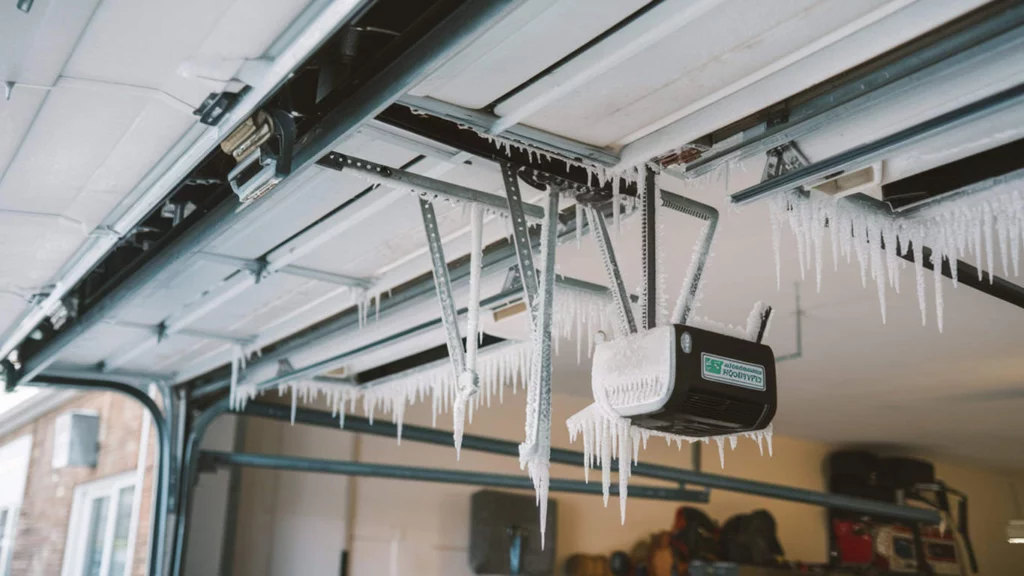
This detailed guide explores the three most common winter-related garage door opener problems:
- Cold weather thickening lubricants, slowing down movement
- Sensors malfunctioning due to fog, frost, and condensation
- Remote control batteries draining faster in winter
Each issue is broken down into why it happens, how to identify it, what damage it causes, and practical solutions homeowners can apply immediately.

Cold Weather Thickens Lubricants → Slower Garage Door Movement
Why Garage Doors Become Sluggish in Winter
One of the first signs garage owners notice in winter is that their garage door moves slower than usual, hesitates halfway, or strains loudly while opening and closing.
This is not a coincidence.
Cold temperatures cause lubricants to thicken, increasing resistance in all moving parts of the garage door system.
The Science Behind Thickened Lubricants
Most garage door components rely on lubrication to reduce friction:
- Rollers
- Hinges
- Springs
- Tracks
- Chains or screw drives
- Bearings inside the opener motor
Lubricants are made of oils and additives designed to flow at normal temperatures. When temperatures drop:
- Oil molecules slow down
- Viscosity increases
- Lubricant becomes sticky instead of slippery
This creates mechanical drag, forcing the motor to work harder.

Components Most Affected by Cold Lubrication
1. Garage Door Rollers
Metal rollers, especially steel ones, are highly sensitive to cold. Thick grease causes them to rotate slowly or unevenly.
Symptoms:
- Jerky movement
- Loud grinding sounds
- Door shaking while opening
2. Torsion and Extension Springs
Springs lose elasticity in cold weather. When combined with thick grease, they struggle to store and release energy properly.
Symptoms:
- Door feels heavier
- Opener strains or stops
- Door slams shut
3. Chains and Screw Drives
Chain-drive and screw-drive openers are particularly vulnerable because they rely heavily on lubrication.
Symptoms:
- Clicking or popping sounds
- Delayed response
- Partial opening
How Thick Lubricants Damage Garage Door Openers
Many homeowners assume slow movement is harmless. In reality, it leads to:
- Motor overheating
- Premature gear wear
- Burnt circuit boards
- Shortened opener lifespan
A garage door opener designed to last 10–15 years may fail in half that time due to winter stress.

Common Winter Lubrication Mistakes
❌ Using regular grease instead of garage-specific lubricant
❌ Over-lubricating, which traps dirt and moisture
❌ Ignoring lubrication altogether
❌ Using WD-40 as a permanent lubricant
WD-40 is a cleaner, not a long-term lubricant.
Best Winter Lubrication Solutions
Use Cold-Weather Garage Door Lubricants
Look for products labeled:
- “Low-temperature”
- “Silicone-based”
- “Lithium spray for cold climates”
These remain fluid even below freezing.
Lubrication Checklist (Winter-Safe)
- Hinges: Light silicone spray
- Rollers: Dry silicone (avoid oil on nylon rollers)
- Springs: Thin coat of lithium spray
- Chain/screw: Manufacturer-recommended lubricant
Preventive Winter Maintenance Tips
Keep garage slightly insulated if possible
Lubricate before temperatures drop
Inspect monthly during winter
Wipe excess grease to avoid freezing
Sensors Stop Working Properly in Fog, Frost, and Condensation
Why Garage Door Sensors Fail in Winter
Modern garage doors rely on photo-eye safety sensors. These small devices sit near the floor on both sides of the door and communicate using an invisible infrared beam.
Winter weather interferes with this system in several ways:
- Fog scatters infrared light
- Frost blocks sensor lenses
- Condensation causes misalignment
- Ice buildup breaks signal continuity
When sensors can’t “see” each other, the opener refuses to close the door.
Signs of Sensor-Related Winter Problems
- Door opens but won’t close
- Door reverses immediately after touching the floor
- Blinking sensor lights
- Door only closes when holding the wall button
These symptoms spike dramatically during cold mornings and foggy evenings.
How Fog and Frost Affect Sensors
Fog Interference
Fog contains tiny water droplets that scatter infrared beams, weakening the signal between sensors.
Frost Formation
Frost forms directly on sensor lenses when warm air meets cold surfaces.
Result:
- Sensor thinks an object is blocking the door
- Opener triggers safety reversal
Condensation: The Silent Sensor Killer
Condensation occurs when:
- Warm garage air meets cold sensor housing
- Moisture forms inside the sensor casing
Over time, this leads to:
- Corrosion
- Electrical shorts
- Permanent sensor failure
Why Winter Makes Sensor Alignment Worse
Cold weather causes:
- Metal contraction
- Concrete floor shifting
- Slight bracket movement
Even a few millimeters of misalignment can break the infrared beam.
DIY Sensor Fixes That Actually Work
1. Clean Sensor Lenses Weekly
Use:
- Dry microfiber cloth
- Isopropyl alcohol for stubborn grime
Avoid water—it freezes.
2. Shield Sensors from Moisture
- Install small plastic covers
- Use weather-resistant sensor hoods
3. Realign Sensors Properly
- Ensure lights are solid, not blinking
- Measure equal height from floor
- Tighten mounting brackets
When Sensors Need Replacement
Replace sensors if:
- Lights won’t turn solid
- Corrosion is visible
- Door randomly reverses even after alignment
Modern sensors are inexpensive compared to opener replacement.
Pro-Level Prevention Tips
- Insulate garage door panels
- Seal bottom gaps to reduce fog entry
- Keep garage temperature stable
- Avoid washing cars inside garage in winter
Remote Control Batteries Drain Faster in Winter
Why Garage Remotes Die Faster in Cold Weather
If your garage remote works fine indoors but fails outside in winter, the culprit is battery chemistry.
Cold temperatures slow down the chemical reactions inside batteries, reducing voltage output.
How Cold Affects Battery Performance
Battery issues in winter include:
- Reduced power delivery
- Voltage drop under load
- Faster apparent discharge
- Temporary failure that recovers indoors
This is especially common with:
- Coin cell batteries (CR2032, CR2025)
- Alkaline AA/AAA batteries
Symptoms of Cold Battery Failure
- Remote only works close to door
- Delayed response
- Intermittent operation
- Complete failure on cold mornings
Many homeowners wrongly assume the opener is broken.
Why Garage Remotes Are Extra Vulnerable
Garage remotes are:
- Stored in cars overnight
- Exposed to freezing temperatures
- Rarely checked for battery health
A car parked outdoors can easily reach sub-zero temperatures.
Battery Types Ranked for Winter Use
Best to Worst Performance in Cold:
- Lithium batteries (best)
- Lithium coin cells
- Alkaline batteries
- Rechargeable NiMH (poor in cold)
Smart Battery Management Tips
- Replace batteries before winter starts
- Use lithium batteries where possible
- Keep spare remote indoors
- Warm remote in hand if unresponsive
Long-Term Solutions
Upgrade to Smartphone Garage Control
Wi-Fi-enabled openers eliminate battery dependency.
Install Exterior Keypads
Hardwired keypads are more reliable in winter.
How Battery Drain Can Damage Openers
Weak remote signals cause:
- Repeated signal attempts
- Receiver strain
- Communication errors
Over time, this can shorten receiver lifespan.
Final Thoughts: Winter-Proofing Your Garage Door System
Garage door opener malfunctions in winter are predictable, preventable, and fixable. The cold doesn’t break systems overnight—it exposes existing weaknesses in lubrication, sensor alignment, and battery health.
By addressing:
- Cold-thickened lubricants
- Sensor interference from fog and frost
- Rapid battery drain in remotes
You can:
- Extend opener lifespan
- Avoid emergency repairs
- Improve daily convenience
- Prevent safety hazards
Winter may be harsh—but your garage door doesn’t have to suffer because of it.