
A garage floor may seem like a simple slab of concrete, but beneath its surface lies a complex interplay of materials, loads, and soil conditions. Over time, garage floors can develop unsightly cracks, uneven surfaces, and structural issues, which not only detract from aesthetics but can also compromise safety and functionality. From a geotechnical perspective, understanding soil behavior, concrete properties, and environmental factors is key to preventing these problems.
In this comprehensive guide, we’ll explore why garage floors crack, the geotechnical principles behind these failures, and effective prevention strategies. By combining engineering knowledge with practical installation techniques, homeowners and builders can significantly reduce the risk of cracking and ensure a durable, long-lasting garage floor.
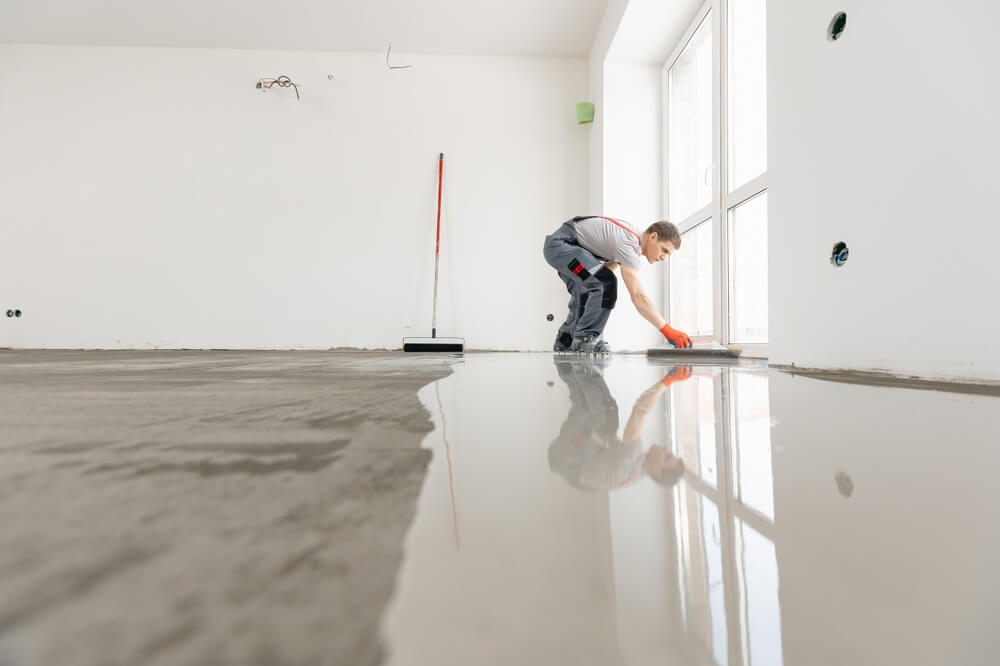
Understanding the Problem: Why Garage Floors Crack
Cracks in garage floors are common, but not all cracks indicate structural failure. They are typically caused by soil movement, improper concrete placement, temperature fluctuations, or overloading.
1. Soil-Related Cracking
The soil beneath your garage floor plays a major role in its performance.
Types of Problematic Soil
- Expansive clay soils: Expand when wet and shrink when dry, causing slab movement.
- Loose fill soils: Settle unevenly under the slab’s weight.
- Organic soils: Decompose over time, leading to voids and differential settlement.
Geotechnical Principle
- Soil bearing capacity: The ability of soil to support the weight of the concrete slab and vehicles.
- Differential settlement: When soil under one part of the slab compresses more than other areas, creating tension and cracks in the concrete.
2. Concrete-Related Cracking
Even with perfect soil, concrete itself can crack due to:
- Shrinkage: As concrete cures, it loses water and shrinks. If restrained by reinforcement or subgrade, this can cause cracks.
- Thermal stress: Concrete expands and contracts with temperature changes.
- Overloading: Parking heavy vehicles beyond design capacity can create stress fractures.
- Improper mix or curing: Poor water-cement ratios, inadequate curing, or insufficient reinforcement can weaken the slab.
3. Environmental Factors
Weather conditions and seasonal changes influence cracking:
- Freeze-thaw cycles in cold climates
- Excessive moisture infiltration
- Rapid drying due to sun exposure
Geotechnical engineers often consider the local climate and soil moisture regime when designing slabs to prevent cracks.
Geotechnical Principles in Garage Floor Design
Preventing cracks starts with understanding geotechnical fundamentals.
1. Soil Investigation
- Conduct a soil test to determine soil type, bearing capacity, and moisture content.
- Identify potential expansive soils or areas prone to differential settlement.
- For new construction, geotechnical reports inform slab thickness, reinforcement, and drainage strategies.
2. Subgrade Preparation
- Proper subgrade compaction reduces settlement risk.
- Use granular fill or crushed stone to create a stable base.
- Remove organic material and soft soils to prevent voids beneath the slab.
Compaction Techniques
- Mechanical plate compactors or rollers
- Moisture conditioning for clay soils to achieve optimal density
- Testing using Proctor compaction tests ensures uniform subgrade strength
3. Drainage Design
- Water infiltration under slabs can cause soil expansion and contraction.
- Install perimeter drains, French drains, or graded surfaces to divert water away from the garage slab.
- Maintain a slight slope away from the garage to prevent pooling.
4. Reinforcement and Joint Design
Reinforcing and joint placement is essential to control cracking:
Reinforcement
- Steel rebar or wire mesh distributes tensile stresses and limits crack width.
- Use corrosion-resistant materials in high-moisture areas.
Control Joints
- Pre-planned cracks allow the slab to shrink without uncontrolled cracking.
- Typically spaced at 8–12 feet intervals depending on slab thickness and soil conditions.
- Saw-cut joints are done after initial curing (6–18 hours for most slabs).
Material Considerations
Concrete mix design is critical to durability.
1. Concrete Strength
- Minimum compressive strength of 3,500 psi is common for residential garage slabs.
- Heavier vehicles may require 4,000–5,000 psi slabs.
2. Water-Cement Ratio
- Low water-cement ratios reduce shrinkage and improve durability.
- Avoid excess water, which weakens the slab and increases cracking risk.
3. Admixtures
- Plasticizers improve workability without increasing water content.
- Shrinkage-reducing admixtures minimize cracking from moisture loss.
- Fiber reinforcement (polypropylene or steel fibers) enhances tensile strength and reduces surface cracking.
Construction Best Practices
Proper construction techniques are just as important as design.
1. Subgrade Inspection
- Confirm uniform compaction
- Ensure subgrade is level
- Verify drainage provisions
2. Formwork and Slab Placement
- Level and sturdy forms prevent bulging and uneven edges.
- Avoid pouring concrete in extreme weather (very hot or freezing temperatures).
- Pour in sections that match joint layout to minimize stress concentrations.
3. Consolidation and Finishing
- Use vibrators to remove air pockets and ensure dense placement.
- Avoid over-finishing, which can seal water in the surface and increase shrinkage.
- Proper troweling and broom finishes reduce surface cracking and improve traction.
4. Curing
- Curing allows concrete to gain strength slowly and evenly.
- Methods include:
- Wet curing with water or damp covers
- Use of curing compounds to retain moisture
- Avoid rapid drying, which can cause early shrinkage cracks.
Addressing Soil Movement
Even well-designed slabs can be affected by soil. Strategies to mitigate soil-related cracking include:
1. Use of Vapor Barriers
- Install a polyethylene sheet beneath the slab to reduce moisture migration.
- Prevents soil expansion caused by seasonal water changes.
2. Reinforced Slab-on-Grade
- Slabs with rebar or wire mesh can resist minor soil movement.
- Post-tensioned slabs offer additional tension control for high-risk soils.
3. Geotechnical Stabilization
- Expansive or soft soils can be stabilized with lime or cement treatment.
- Soil replacement may be required for extreme conditions.
Preventive Maintenance for Garage Floors
Even the best design benefits from ongoing maintenance:
- Inspect for minor cracks and seal them early
- Ensure drainage systems remain functional
- Avoid chemical spills that can weaken concrete
- Maintain consistent temperature and humidity in garages with extreme seasonal variation
Modern Innovations in Slab Design
Advancements in geotechnical engineering and concrete technology improve durability:
1. Fiber-Reinforced Concrete
- Dispersed fibers reduce shrinkage cracks and increase toughness
- Common for garages with heavy vehicles
2. Engineered Subgrades
- Geogrid or geotextile layers enhance soil stability
- Reduces differential settlement in soft or expansive soils
3. Post-Tensioning
- Uses steel tendons to pre-compress the slab
- Controls cracking and allows thinner slabs with higher strength
Environmental Considerations
Sustainable garage construction considers the impact of materials and soil:
- Use locally sourced aggregates to reduce transport emissions
- Select low-CO2 concrete mixes with supplementary cementitious materials
- Maintain natural drainage patterns to prevent erosion or flooding
- Consider permeable surfaces outside the garage to reduce runoff and soil saturation
Cost Considerations
Preventing cracks may increase upfront costs but reduces long-term repair expenses:
- Geotechnical testing: $500–$2,000 depending on soil complexity
- Subgrade preparation and compaction: $1–$3 per square foot
- High-quality concrete and reinforcement: $5–$10 per square foot
- Post-tensioning or fiber-reinforced slabs: $10–$15 per square foot
- Maintenance: Minor crack sealing $50–$200 per event
Investing in proper design and construction significantly lowers the likelihood of expensive repairs later.
Case Study: Garage Slab Failure vs Proper Design
Scenario 1: Traditional slab on expansive clay without geotechnical input
- Initial cracks appeared within months
- Differential settlement caused uneven flooring
- Repairs involved grinding, patching, and partial slab replacement
Scenario 2: Geotechnically designed slab with PDLC base and fiber-reinforced concrete
- Compacted subgrade with vapor barrier and drainage
- Slab reinforced with steel mesh and fiber additives
- Control joints carefully placed
- No cracking observed after 5 years, stable even with heavy vehicle loads
This comparison highlights the value of geotechnical planning and modern materials in preventing cracks.
Conclusion
Preventing garage floor cracks is more than a matter of concrete quality—it requires a geotechnical approach that considers soil behavior, moisture content, subgrade preparation, and construction techniques. By understanding:
- Soil mechanics and bearing capacity
- Concrete properties and curing methods
- Reinforcement and control joint strategies
- Environmental and drainage factors
Homeowners and builders can dramatically reduce the risk of cracks, improve durability, and extend the life of garage slabs.
For 2026 and beyond, integrating geotechnical insight with modern concrete technology—like fiber reinforcement, post-tensioning, and engineered subgrades—ensures garage floors remain smooth, strong, and aesthetically pleasing for decades.
A garage floor is more than just a parking space—it’s a structural foundation that supports vehicles, storage, and everyday life. Protect it with proper design, geotechnical foresight, and preventive maintenance, and your slab will stand the test of time.