

Modern garages are no longer just places to park cars. For many homeowners, the garage has become a multi-purpose extension of the home—a space that can function as a workshop, fitness area, storage hub, and still accommodate a vehicle.
But fitting all of these functions into a single garage can feel impossible if the space isn’t organized properly. Without a clear plan, equipment, tools, and clutter quickly take over the floor.
The solution is garage zoning.
Garage zoning is the practice of dividing your garage into dedicated functional areas so that multiple activities can coexist without interfering with each other.
In this guide, you’ll learn how to design and organize your garage so it can fit a car, a gym, and a workshop efficiently, while still maintaining safety, organization, and a clean appearance.
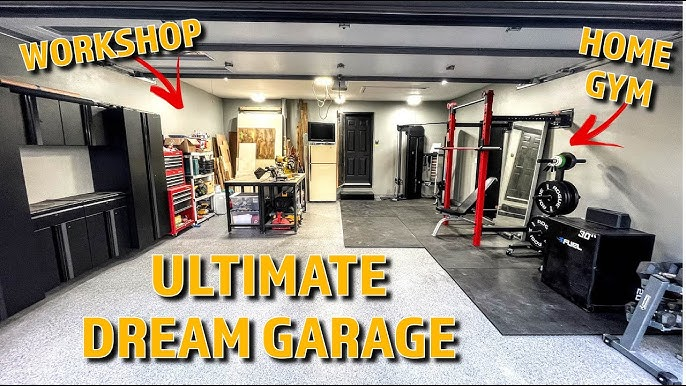
Why Zoning Your Garage Works
Before diving into layouts and design ideas, it’s helpful to understand why zoning works so well in multi-purpose garages.
1. Maximizes Limited Space
Most residential garages are between 200 and 500 square feet, which isn’t huge. Without zoning, tools, gym equipment, and vehicles compete for the same floor space.
Zoning ensures each activity has a dedicated area.
2. Improves Safety
Separating areas prevents dangerous situations, such as:
- lifting weights near sharp tools
- tripping over equipment
- blocking vehicle pathways
Safety improves when every item has a designated place.
3. Increases Efficiency
If tools, gym equipment, and car storage are organized into zones, you spend less time moving items around to access what you need.
4. Keeps the Garage Clean
Defined zones make it easier to maintain organization and prevent clutter from spreading throughout the garage.
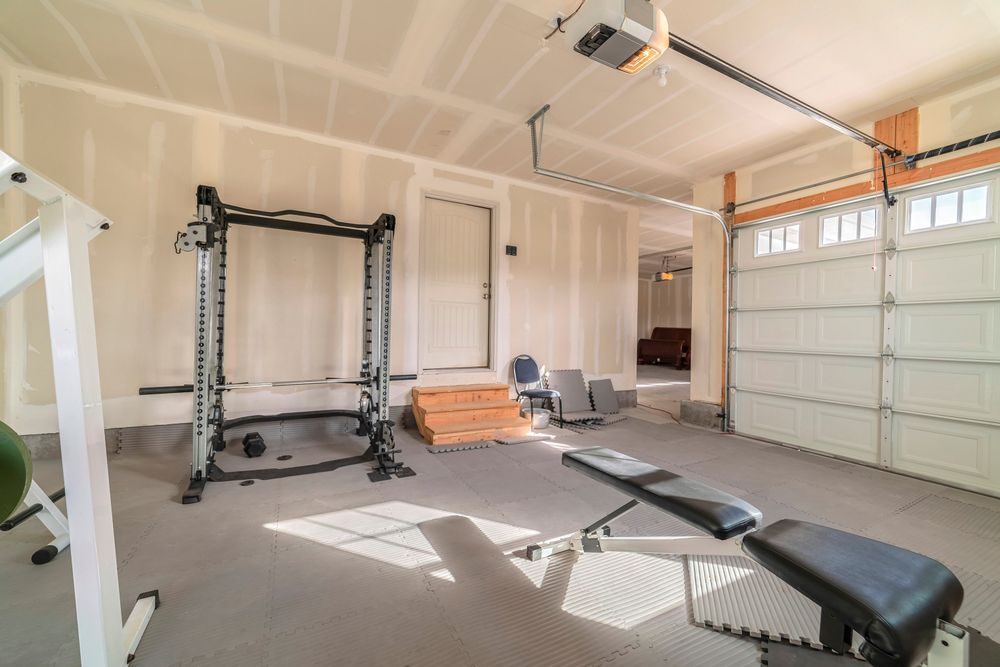
Step 1: Measure Your Garage Space
Before planning zones, you need accurate measurements.
Important measurements include:
- total width of the garage
- total depth of the garage
- ceiling height
- door clearance
- wall space availability
Also measure your largest items:
- car dimensions
- gym equipment footprint
- workbench size
These measurements will determine how the zones can be arranged.
Step 2: Identify Your Garage Priorities
Every homeowner uses their garage differently.
Ask yourself:
- How often do I park my car inside?
- How frequently will I use the gym?
- What type of workshop projects will I do?
Your answers will determine how much space each zone should receive.
For example:
- Daily parking requires a larger vehicle zone.
- A serious weightlifting setup requires more gym space.
- Woodworking needs extra room for tools and work surfaces.
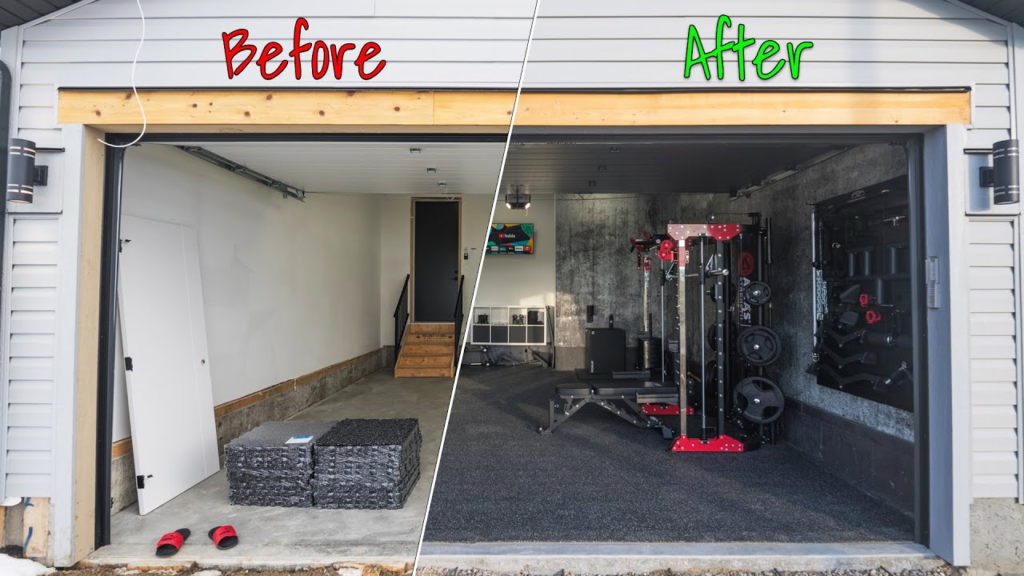
Step 3: Create Three Primary Zones
For a multi-use garage, divide the space into three main zones:
- Parking Zone
- Fitness Zone
- Workshop Zone
Each area should have clearly defined boundaries.
These zones can be separated using:
- floor markings
- storage systems
- workbenches
- shelving units
This prevents overlap between activities.
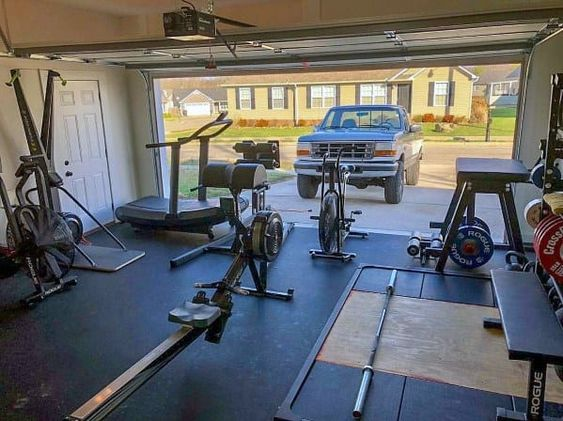
Designing the Parking Zone
The car is usually the largest item in the garage, so the parking zone should be planned first.
Determine the Parking Footprint
Most cars require:
- 8 to 10 feet width
- 16 to 18 feet length
However, additional space is needed for:
- opening doors
- walking around the car
- accessing storage
Mark the parking zone clearly on the floor so other items stay out of the way.
Protecting Your Vehicle Space
A common mistake is allowing storage to creep into the parking area.
To avoid this, consider:
- installing parking guides on the floor
- using ceiling storage above the vehicle
- placing storage only along side walls
This keeps the vehicle space functional.
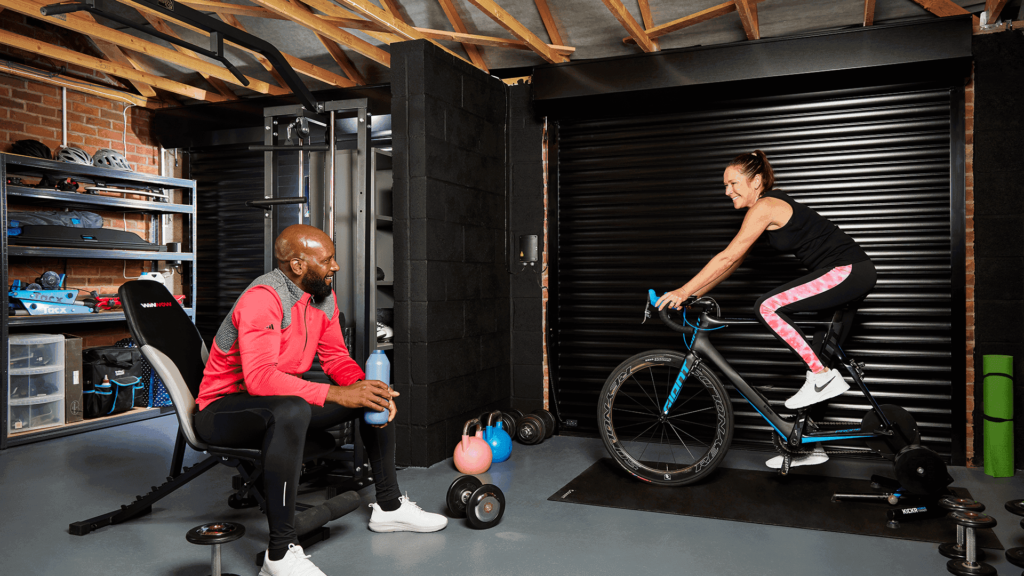
Overhead Storage Above the Car
The space above the car is often wasted.
Overhead racks can store items such as:
- seasonal decorations
- camping gear
- luggage
Because the car occupies the floor, using vertical storage above it maximizes efficiency.
Designing the Garage Gym Zone
Once the parking area is established, the next step is creating a workout zone.
Garage gyms have become extremely popular because they allow homeowners to exercise without leaving home.
Choosing the Right Gym Equipment
Compact equipment works best in shared garages.
Good options include:
- adjustable dumbbells
- foldable benches
- squat racks with wall mounts
- resistance bands
- kettlebells
Avoid large machines that permanently occupy floor space.
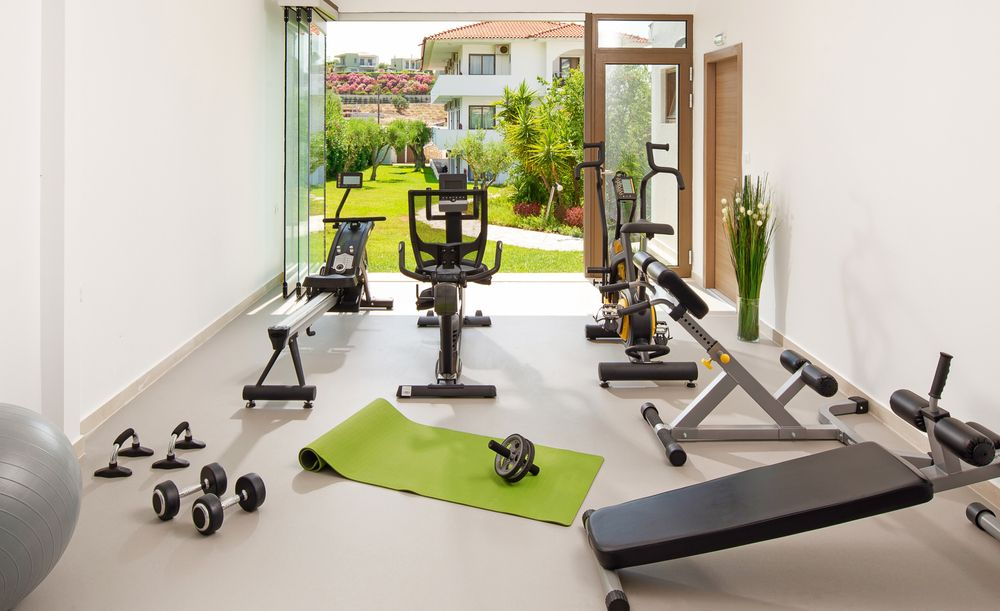
Use Foldable Gym Equipment
Foldable equipment is a game changer for small garages.
Examples include:
- fold-away squat racks
- collapsible benches
- wall-mounted pull-up bars
These items can be folded against the wall when not in use.
Install Rubber Gym Flooring
Gym flooring serves multiple purposes:
- protects the garage floor
- reduces noise
- prevents equipment damage
Rubber mats or interlocking gym tiles help visually define the fitness zone.
This flooring also separates the gym area from other zones.
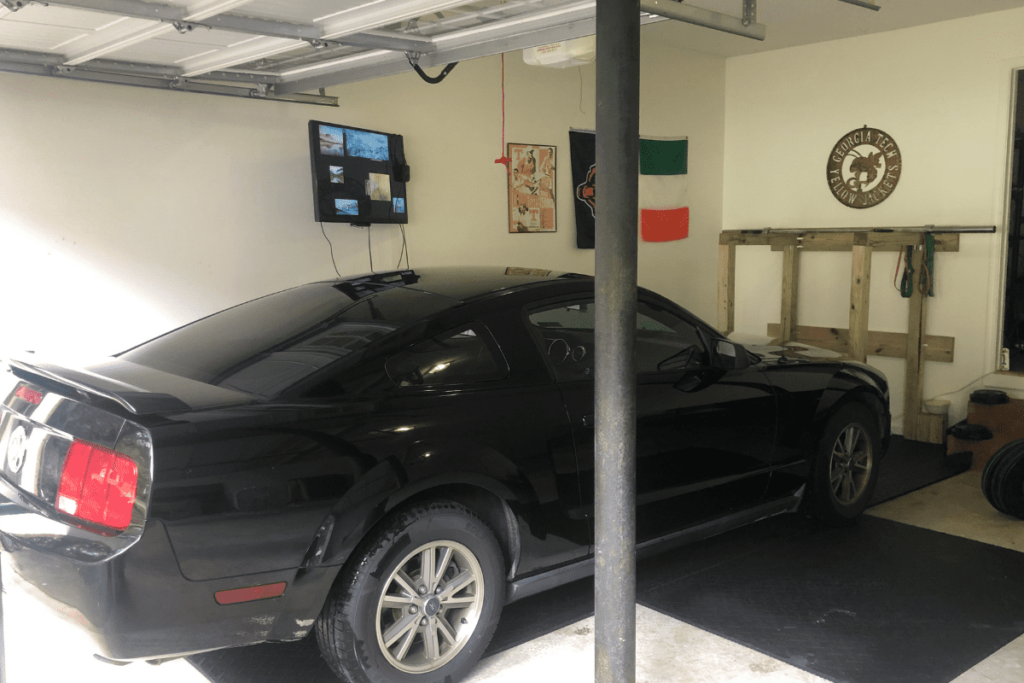
Use Vertical Storage for Fitness Gear
Gym accessories can quickly clutter the floor.
Use wall-mounted storage for:
- resistance bands
- jump ropes
- weight plates
- yoga mats
Vertical storage keeps equipment accessible while preserving floor space.
Designing the Workshop Zone
The workshop zone is where tools and projects come together.
Even in a small garage, a compact workshop can be highly functional.
Install a Wall-Mounted Workbench
A wall-mounted workbench provides a dedicated workspace without taking up too much room.
Fold-down benches are particularly useful in shared garages.
When folded, the workspace disappears.
Organize Tools with Pegboards or Slatwalls
Wall storage systems are essential for workshop organization.
Pegboards or slatwalls allow you to hang:
- hand tools
- power tools
- tool baskets
- extension cords
This keeps tools visible and easy to access.
Use Drawer Cabinets for Hardware
Small items such as screws and bolts should be stored in drawers or bins.
Organized hardware storage saves time during projects.
Label drawers to make items easy to locate.
Position the Workshop Near Natural Light
If your garage has windows, place the workshop nearby.
Natural light improves visibility and makes detailed work easier.
If windows are unavailable, install bright LED task lighting above the workbench.
Smart Layout Ideas for Multi-Zone Garages
There are several layout strategies that work well for multi-purpose garages.
Side-by-Side Layout
In this layout:
- the car parks on one side
- the gym occupies the back corner
- the workshop runs along the opposite wall
This layout works well in single-car garages.
Back Wall Layout
For deeper garages:
- the car occupies the center
- the gym is placed along the back wall
- the workshop sits along a side wall
This arrangement allows all zones to remain accessible.
Split Layout
In larger garages:
- one side becomes the gym
- the opposite side becomes the workshop
- the car parks in the middle
This layout provides the most balance between activities.
Using Mobile Equipment
Mobility is extremely helpful in multi-use garages.
Consider equipment with wheels such as:
- rolling tool cabinets
- mobile workbenches
- portable squat racks
These items can be moved when needed and stored against walls afterward.
Storage Solutions That Support Zoning
Effective storage keeps zones functional.
Tall Cabinets
Tall cabinets hide tools and supplies while keeping the floor clear.
They are ideal for storing workshop tools.
Open Shelving
Shelving units can divide spaces while providing storage.
For example, a shelving unit can separate the gym from the workshop.
Ceiling Hooks
Ceiling hooks can hold bicycles or large equipment above head level.
Lighting for Multi-Use Garages
Proper lighting ensures each zone remains functional.
Bright Workshop Lighting
Use focused LED lights above workbenches.
Gym Lighting
Soft but bright lighting works best for workout areas.
Motion Lighting
Motion sensors are useful near entryways and storage areas.
Climate and Comfort Considerations
Garages are often less comfortable than indoor rooms.
Consider improvements such as:
- insulation
- fans
- portable heaters
- ventilation
These upgrades make the space usable year-round.
Sound and Noise Control
Workshops and gyms can both generate noise.
Rubber flooring helps reduce vibration from weights.
Acoustic panels can help absorb sound if the garage is near living spaces.
Safety Tips for Multi-Use Garages
Safety should always be a priority.
Key safety practices include:
- keeping pathways clear
- securing heavy equipment
- storing sharp tools properly
- installing fire extinguishers
Also ensure gym equipment does not interfere with vehicle movement.
Keeping Your Garage Organized
Even the best zoning system can fail without regular maintenance.
Develop simple habits such as:
- returning tools after use
- wiping down gym equipment
- keeping floors clear
These routines help maintain the functionality of each zone.
Aesthetic Design for a Multi-Use Garage
Your garage doesn’t have to look like a storage room.
Consider design upgrades such as:
- epoxy floor coatings
- painted walls
- matching storage cabinets
These improvements create a polished, professional environment.
The Future of Multi-Purpose Garages
Garages are increasingly becoming flexible lifestyle spaces.
Today’s homeowners want garages that support:
- fitness routines
- hobbies
- creative work
- organized storage
Smart zoning allows a single garage to serve many functions without feeling crowded.
Final Thoughts
With thoughtful planning, it is entirely possible to transform your garage into a multi-functional space that accommodates a car, a gym, and a workshop.
The key lies in strategic zoning, efficient storage solutions, and smart use of vertical and overhead space.
By defining dedicated zones, using foldable or mobile equipment, and maintaining organization, you can create a garage that supports productivity, health, and everyday convenience.
Instead of choosing between parking your car or having a functional workspace, zoning allows you to enjoy the best of both worlds—a garage that works as hard as you do.