
Garages have traditionally been simple, functional spaces: a place to park your car, store tools, and occasionally tinker with projects. But as homes become smarter and security threats more sophisticated, the garage is evolving into a critical point of entry that requires advanced protection. Enter biometric access systems—technology that uses unique physical traits such as fingerprints, facial recognition, or even retinal scans to control access.
By 2026, biometric systems are expected to become mainstream in residential garages, combining convenience, security, and integration with smart home systems. This guide explores everything you need to know about biometric garage access, including types of biometric systems, installation considerations, security benefits, integration tips, and future trends.
Why Biometric Access Matters for Your Garage
Before diving into the technology, it’s important to understand why biometric access is gaining traction.
1. Enhanced Security
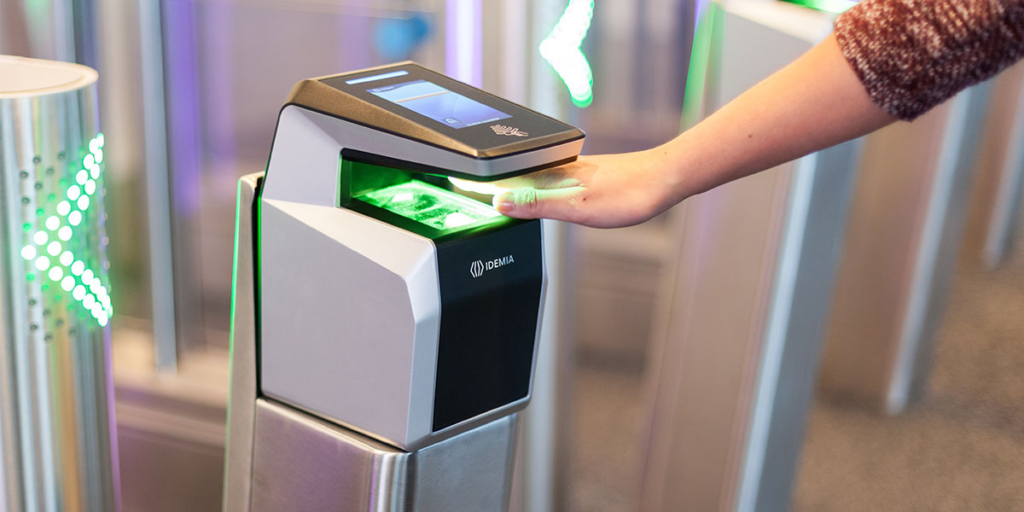
Traditional locks and keypads are vulnerable to hacking, duplication, or physical tampering. Biometric systems rely on unique physiological traits, making it extremely difficult for unauthorized individuals to gain access.
- Fingerprints are unique even among identical twins.
- Facial recognition uses multiple points of reference, making spoofing very challenging.
- Retinal or iris scans capture intricate patterns invisible to the naked eye.
2. Convenience
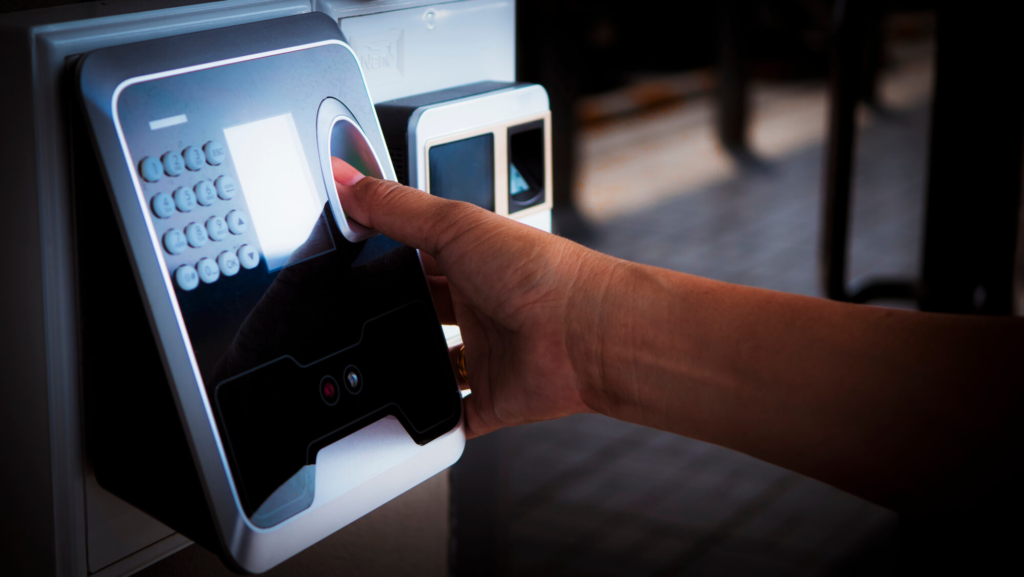
Biometric systems eliminate the need for keys, PIN codes, or access cards. Authorized users can enter instantly by scanning a fingerprint or looking into a sensor.
This convenience is particularly valuable for:
- Busy households
- Family members with different schedules
- Individuals who frequently misplace keys
3. Audit Trail and Monitoring
Many biometric systems log entry and exit activity, providing a digital record of who accessed the garage and when. This is invaluable for families, home offices, or households that share garage access with multiple people.
4. Integration with Smart Home Systems
Biometric access systems can integrate with:
- Smart garage door openers
- Home security cameras
- Alarm systems
- Smart locks and lights
This allows for a fully automated and intelligent entry system.
Types of Biometric Access Systems
Understanding the different types of biometric systems helps you choose the right technology for your garage.
1. Fingerprint Recognition
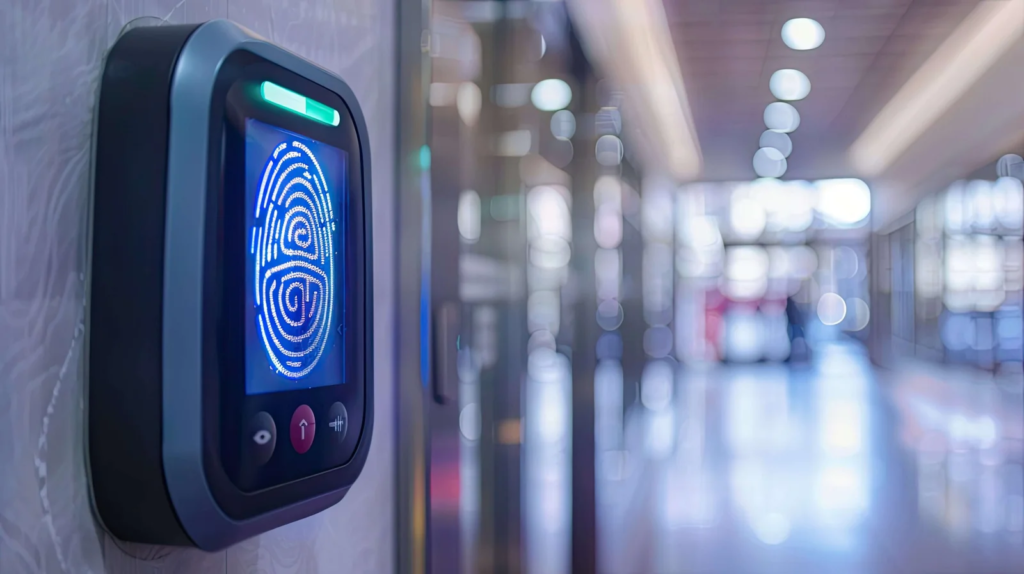
Fingerprint scanners are the most common type of biometric system.
How It Works:
- The scanner reads the unique ridges and patterns on a finger.
- The system compares the scanned print to stored profiles.
- Access is granted if there’s a match.
Pros:
- Fast and reliable
- Compact and easy to install
- Cost-effective
Cons:
- Can be affected by dirty or wet fingers
- May require occasional recalibration
2. Facial Recognition
Facial recognition systems use cameras and software to map facial features.
How It Works:
- The system identifies key points such as eyes, nose, and mouth.
- 3D facial recognition adds depth mapping for enhanced accuracy.
Pros:
- Hands-free access
- Works well in high-traffic households
- Can integrate with cameras for monitoring
Cons:
- Can be impacted by poor lighting or drastic facial changes
- Higher cost than fingerprint systems
3. Retinal and Iris Scanning
Retinal and iris scanners provide extremely high security by mapping the unique patterns in the eye.
Pros:
- Near-impossible to spoof
- Extremely precise
- Ideal for high-security applications
Cons:
- More expensive
- May require the user to pause briefly for scanning
4. Voice Recognition
Voice recognition systems analyze voice patterns to grant access.
Pros:
- Hands-free and contactless
- Can be combined with other authentication methods
Cons:
- Sensitive to background noise
- Can be affected by illness or temporary voice changes
How Biometric Access Enhances Garage Security
Traditional garage security relies on mechanical locks, keypads, or remote openers. While functional, these systems are vulnerable to:
- Stolen or duplicated keys
- Lost access cards
- Hacked remote signals
- Guessable PIN codes
Biometric systems eliminate these vulnerabilities by tying access to unique physiological traits, making it nearly impossible for unauthorized users to gain entry.
Additional security features include:
- Multi-factor authentication: Combining biometrics with PIN codes or smartphone verification
- Tamper alerts: Notifying you if the sensor is blocked, damaged, or tampered with
- Automatic lockouts: Locking the system after repeated failed access attempts
Planning a Biometric Garage System
Installing biometric access requires careful planning to maximize security and usability.
1. Assess Your Garage Layout
- Determine the best entry points for sensors
- Ensure the sensor is easily accessible without interfering with vehicles
- Account for lighting conditions, especially for facial recognition
2. Choose the Right Biometric Technology
Consider your household’s needs:
- Fingerprints are ideal for everyday family use
- Facial recognition works best for hands-free entry
- Retinal or iris scanning is suitable for high-security households
3. Ensure Power and Connectivity
Biometric systems require stable power and, in many cases, network connectivity:
- Hardwired or battery-powered options
- Wi-Fi or wired Ethernet for monitoring and integration
- Backup power for continued access during outages
4. Integrate with Smart Home Devices
Integration ensures seamless automation:
- Smart garage door openers that automatically lift when an authorized user is detected
- Security cameras recording entry events
- Notifications sent to your smartphone for each garage access
Installation Tips
Proper installation ensures reliability and longevity of your system.
- Height placement: Sensors should be installed at convenient heights for all users.
- Lighting: Avoid glare or shadows that can interfere with facial recognition.
- Network security: Ensure Wi-Fi networks are encrypted to prevent hacking.
- Testing: Program all users and test multiple access attempts before final use.
Professional installation is recommended, especially for iris or retinal systems.
Security Considerations
Even the most advanced biometric systems require additional safety measures.
- Multi-factor authentication: Combine biometrics with PIN codes or smartphone verification.
- Encryption: Ensure all data is stored securely and encrypted.
- Regular updates: Firmware updates prevent vulnerabilities.
- User management: Remove old or unused access profiles promptly.
Benefits Beyond Security
Biometric systems are more than just locks—they enhance everyday convenience:
- Hands-free entry: No need to carry keys or remotes
- Quick access: Enter and exit the garage in seconds
- Custom user profiles: Set different access levels for family members, guests, or service personnel
- Audit trail: Track who accessed the garage and when, ideal for monitoring deliveries or shared spaces
Top Biometric Garage Access Products
Here are some of the most popular systems suitable for residential garages:
1. Ultraloq UL3 BT
- Fingerprint and keypad combo
- Smartphone integration
- Audit trail and remote access
2. Gatekeeper Biometric Smart Lock
- Advanced fingerprint recognition
- Works with smart garage openers
- Multi-user capacity
3. Kwikset Halo Smart Lock with Fingerprint Module
- Touchscreen and fingerprint scanning
- Wi-Fi enabled for remote monitoring
- Easy integration with Alexa and Google Home
4. Iris ID Garage Access Systems
- High-security iris scanning
- Suitable for high-value homes or estates
- Multi-user management and detailed logs
Integrating Biometric Access With Other Garage Tech
Biometric access works best when combined with other smart garage technologies:
- Smart lighting: Automatically turn lights on when you enter
- Surveillance cameras: Capture video when someone uses the biometric system
- Garage door automation: Open doors automatically for authorized users
- Alarm systems: Trigger alerts if access is denied or tampered with
This integration transforms your garage into a fully connected, intelligent space.
Future Trends in Garage Biometric Access
By 2026, we can expect the following trends:
1. AI-Enhanced Facial Recognition
Artificial intelligence will improve recognition speed, accuracy, and the ability to detect unauthorized attempts.
2. Multi-Biometric Systems
Future systems may combine fingerprint, facial recognition, and voice recognition for enhanced security.
3. Integration With Electric Vehicle Charging
Imagine your garage door opening automatically when your EV approaches, starting the charging process simultaneously.
4. Biometric-Powered Smart Communities
Entire neighborhoods may adopt biometric access for garages and common areas, enhancing security at the community level.
Budgeting for Biometric Garage Systems
Costs vary depending on the technology level:
- Fingerprint-based systems: $150–$400
- Facial recognition systems: $300–$700
- Iris/retinal systems: $600–$1,500+
- Installation (if professional help is needed): $100–$500
- Integration with smart home systems: optional $50–$200
While more expensive than traditional openers, the combination of security, convenience, and future-proofing makes them a worthwhile investment.
DIY vs Professional Installation
- DIY: Fingerprint or basic facial recognition systems can be installed by tech-savvy homeowners.
- Professional: High-security systems, iris scanners, or integration with multiple smart home devices require professional installation to ensure reliability and safety.
Maintaining Your Biometric System
Proper maintenance ensures your system continues to function accurately:
- Clean sensors regularly
- Recalibrate facial recognition systems if lighting changes
- Update software and firmware
- Replace batteries or backup power units as needed
- Periodically review user profiles and remove old entries
Final Thoughts
Biometric access represents the future of garage security and entry, combining convenience, safety, and smart home integration. By 2026, these systems will likely become a standard feature in modern garages, transforming the way homeowners interact with this essential space.
Key takeaways:
- Enhanced security: Biometric traits are nearly impossible to replicate.
- Convenience: Hands-free and instant access for family members.
- Integration: Works with smart garage doors, cameras, alarms, and other home automation.
- Future-ready: Prepares your home for next-generation smart devices and EV integration.
Whether you choose fingerprint scanners, facial recognition, or iris scanning, installing a biometric garage access system is a smart investment in safety, convenience, and home modernization. Your garage is more than a storage space—it’s a central hub for security and smart home functionality, and biometrics is leading the way into the future.