
Painting garage walls might seem like a simple task—pick a color, grab a roller, and start painting. But one of the most important decisions homeowners often overlook is the paint finish, also known as sheen. The finish you choose affects durability, maintenance, lighting, and the overall appearance of your garage.
Two of the most commonly discussed finishes are gloss and matte. Each has its own advantages and drawbacks depending on how your garage is used. For example, a garage that doubles as a workshop or gym might require a finish that resists stains and can be cleaned easily. On the other hand, a storage-only garage may prioritize aesthetics and the ability to hide wall imperfections.
Understanding the differences between gloss and matte finishes can help you create a garage that looks great and stands up to daily wear and tear.
In this guide, we’ll explore everything you need to know about gloss vs. matte garage wall paint, including durability, maintenance, lighting, aesthetics, and expert recommendations. By the end, you’ll know exactly which finish works best for your garage.
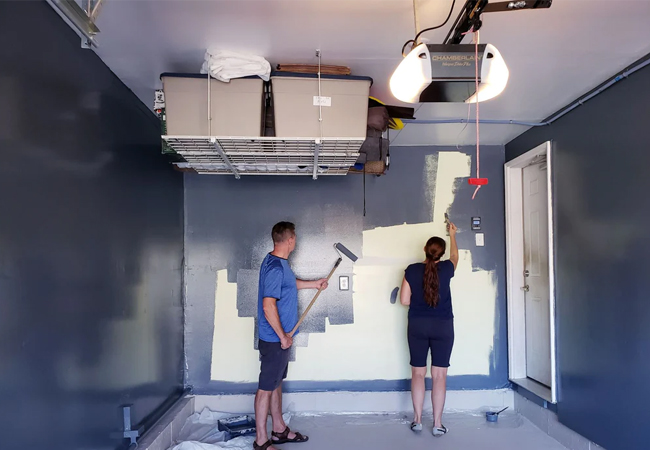
Understanding Paint Finishes (Sheen Levels)
Before comparing gloss and matte finishes, it helps to understand what paint sheen actually means.
Paint finishes are classified based on how much light they reflect. A low-sheen finish reflects very little light and appears flat, while a high-sheen finish reflects a lot of light and looks shiny.
The common sheen levels include:
- Flat or Matte
- Eggshell
- Satin
- Semi-gloss
- Gloss
Gloss sits at the higher end of the sheen scale, while matte is at the lowest. The difference in sheen impacts durability, stain resistance, and how visible wall imperfections appear.
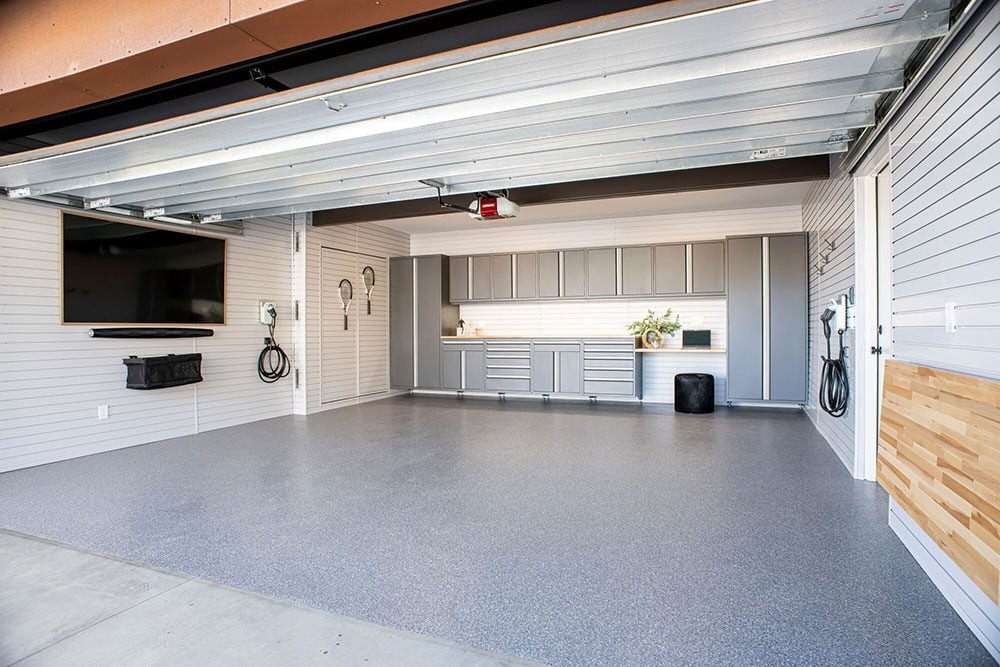
What Is Matte Paint?
Matte paint—also called flat paint—has little to no shine. It absorbs light rather than reflecting it, giving walls a soft, smooth appearance.
Because of its non-reflective surface, matte paint is excellent at hiding wall imperfections such as dents, patches, and uneven drywall.
Key Characteristics of Matte Paint
- Non-reflective surface
- Smooth, modern look
- Hides surface imperfections
- Less durable than glossy finishes
- Harder to clean
Matte paint is commonly used in bedrooms, living rooms, and ceilings where walls are less likely to get dirty or scuffed.
However, garages present a different environment. They often experience:
- Dirt and dust
- Grease stains
- Tool scratches
- Moisture
- Temperature changes
This means matte paint may not always be the most practical choice.
What Is Gloss Paint?
Gloss paint is a high-sheen finish that reflects a significant amount of light, creating a shiny appearance. Because it forms a harder surface layer, gloss paint is extremely durable and resistant to stains and moisture.
Key Characteristics of Gloss Paint
- Highly reflective surface
- Durable and long-lasting
- Easy to clean
- Moisture resistant
- Highlights wall imperfections
Gloss paint is often used in kitchens, bathrooms, trim, cabinets, and high-traffic areas because it can withstand repeated cleaning and scrubbing.
For garages—where walls often get dirty—gloss paint can be a practical option.
Key Differences Between Gloss and Matte Garage Wall Paint
Choosing between gloss and matte comes down to several practical factors.
1. Durability
Durability is one of the most important considerations when painting garage walls.
Garages are high-use environments where walls frequently encounter:
- Bicycles
- Tools
- Storage bins
- Car doors
- Oil or grease splashes
Gloss paint performs much better in these conditions because it forms a harder and more resilient surface. It resists wear and tear, making it ideal for spaces where walls may be bumped or scratched.
Matte paint, on the other hand, is softer and more prone to scuffs. It can easily show marks from tools or equipment.
Winner: Gloss
2. Ease of Cleaning
Cleaning garage walls is inevitable.
Dust, fingerprints, and grease can accumulate quickly, especially in garages used as workshops.
Gloss paint has a smooth, non-porous surface that allows stains to be wiped away easily with a damp cloth.
Matte paint tends to absorb stains and may show streaks when cleaned, making maintenance more difficult.
Winner: Gloss
3. Ability to Hide Imperfections
Garage walls often have imperfections, such as:
- Nail holes
- Uneven drywall
- Patches
- Concrete texture
Matte paint excels at hiding these flaws because it does not reflect light. The surface appears uniform and smooth.
Gloss paint reflects light strongly, which can highlight every bump and imperfection.
Winner: Matte
4. Light Reflection and Brightness
Lighting is another factor to consider.
Garages often have limited natural light. A reflective finish can help make the space feel brighter.
Gloss paint reflects light effectively, helping improve visibility and making the garage feel more open and illuminated.
Matte paint absorbs light, which can make the space feel darker.
Winner: Gloss
5. Maintenance and Touch-Ups
Over time, garage walls may require touch-ups.
Matte paint tends to blend better when touching up small areas. New paint patches are less noticeable because the finish does not reflect light.
Gloss paint can be trickier because slight variations in sheen may become visible.
Winner: Matte
When Matte Paint Works Best in a Garage
Although gloss paint often performs better in garages, matte paint still has its place in certain situations.
1. Storage-Only Garages
If your garage is primarily used for storage and not for messy activities, matte paint can work well.
Since the walls won’t experience frequent contact, durability becomes less critical.
2. Older Garages with Imperfect Walls
Older garages may have uneven drywall or visible repairs.
Matte paint helps hide these imperfections and create a smoother appearance.
3. Ceiling Applications
Many homeowners use matte paint on garage ceilings because:
- Ceilings rarely get dirty
- Matte hides surface imperfections
- It reduces glare from lighting
When Gloss Paint Is the Better Choice
Gloss paint shines—literally and figuratively—in garages with heavy use.
1. Workshop Garages
If you use your garage as a workshop, walls may come into contact with:
- Tools
- Workbenches
- Chemicals
- Grease
Gloss paint resists stains and allows easy cleaning.
2. Car Maintenance Garages
For people who maintain or detail vehicles in the garage, gloss paint makes it easier to wipe away grease splashes and oil marks.
3. Modern or High-End Garages
Glossy walls can create a sleek, professional look similar to automotive showrooms or detailing shops.
Why Many Experts Recommend Satin or Semi-Gloss
Interestingly, many painting professionals recommend semi-gloss or satin finishes instead of extreme matte or high gloss.
These finishes provide a balance between durability and appearance.
For example:
- Satin hides minor imperfections while remaining easy to clean.
- Semi-gloss offers excellent durability and moisture resistance.
These finishes are often considered ideal for garage walls because they combine practicality with aesthetics.
Comparing Gloss and Matte: Quick Overview
| Feature | Matte | Gloss |
|---|---|---|
| Appearance | Flat, non-reflective | Shiny and reflective |
| Durability | Lower | High |
| Cleaning | Harder to clean | Easy to wipe |
| Imperfection hiding | Excellent | Poor |
| Light reflection | Low | High |
| Maintenance | Easier touch-ups | More visible touch-ups |
Factors to Consider Before Choosing a Finish
Selecting the right finish isn’t just about aesthetics. Consider how your garage is used.
1. Garage Usage
Ask yourself:
- Do you use it as a workshop?
- Is it mostly storage?
- Do you maintain vehicles there?
High-use garages benefit from durable finishes.
2. Wall Condition
If your walls have:
- cracks
- patches
- uneven surfaces
Matte or satin finishes may hide imperfections better.
3. Lighting
Gloss finishes help brighten dark garages by reflecting light.
4. Climate and Moisture
Garages often experience humidity and temperature changes.
Moisture-resistant finishes such as semi-gloss perform better in these conditions.
Best Colors for Gloss or Matte Garage Walls
Color choice can enhance the effect of your finish.
Light Colors
Light shades work best in garages because they reflect light and make the space feel larger.
Popular options include:
- White
- Light gray
- Beige
- Soft blue
Neutral Colors
Neutral colors help hide dirt and maintain a clean appearance.
Dark Colors
Dark colors can create a stylish look but may show dust and scratches more easily.
Garage Wall Preparation Tips
No matter which finish you choose, preparation is critical.
Experts emphasize proper preparation to ensure paint adheres properly and lasts longer.
1. Clean the Walls
Remove:
- dust
- grease
- cobwebs
- stains
2. Repair Damage
Fill holes and cracks before painting.
3. Apply Primer
Primer improves paint adhesion and creates a uniform surface.
4. Use Multiple Coats
Most garage wall paints require two coats for durability and consistent color.
Common Garage Painting Mistakes
Many homeowners regret certain painting decisions.
1. Choosing the Wrong Finish
Using matte paint in high-traffic areas often leads to stains and scuffs.
2. Skipping Primer
Paint may peel or fail without proper priming.
3. Ignoring Surface Cleaning
Grease and oil prevent paint from bonding correctly.
Real-World Insights from Garage Owners
Many homeowners debate paint finishes when renovating garages.
On online forums and communities, opinions vary widely.
For example, one garage owner explained:
“Avoid flat paint sheen if you want to avoid dirt accumulation—use satin or semi-gloss.”
Another user mentioned that gloss finishes make cleaning easier and brighten the space.
However, some still prefer matte finishes for hiding wall flaws and easier touch-ups.
These mixed opinions highlight why the best finish ultimately depends on your garage’s purpose.
Hybrid Approach: Using Multiple Finishes
A popular strategy is using different finishes in different areas.
Example layout:
- Walls: Satin or semi-gloss
- Trim and cabinets: Gloss
- Ceiling: Matte
This approach combines durability with aesthetics.
Final Verdict: Gloss vs. Matte for Garage Walls
When choosing between gloss and matte for garage walls, consider functionality first.
Choose Matte If:
- Your garage walls have imperfections
- The space is mostly for storage
- You prefer a soft, modern appearance
Choose Gloss If:
- You need durability
- The walls require frequent cleaning
- You want a brighter garage
Best Overall Choice
For most garages, semi-gloss or satin finishes provide the best balance of durability, cleanability, and appearance.
They offer many of the benefits of gloss paint while hiding imperfections better.
Conclusion
Choosing the right paint finish for garage walls is just as important as selecting the right color.
Matte finishes create a smooth, modern look and hide wall imperfections effectively, but they are less durable and harder to clean. Gloss finishes, on the other hand, provide excellent durability, stain resistance, and brightness—making them well suited for active garages.
The best choice ultimately depends on how your garage is used, the condition of the walls, and your maintenance preferences.
If your garage functions as a busy workspace or vehicle maintenance area, gloss or semi-gloss finishes will likely perform best. If aesthetics and imperfection concealment matter more, matte may be the better option.
With the right finish, your garage can become not only more attractive but also more durable and easier to maintain for years to come.