
Garages have evolved far beyond simple storage spaces. Today, many homeowners use them as workshops, gyms, offices, studios, or even extensions of living spaces. As the use of garages expands, maintaining a comfortable interior temperature becomes critical for usability, energy efficiency, and protecting belongings. One of the most effective solutions for regulating garage temperatures is insulated garage doors.
These doors are not merely decorative—they are engineered systems designed to minimize heat transfer, resist weather extremes, and improve energy efficiency. Understanding the engineering behind insulated doors helps homeowners, builders, and designers make informed decisions that balance performance, durability, and cost.
This guide provides a comprehensive, detailed 3,000-word overview of the science, materials, design principles, and practical considerations of insulated garage doors.
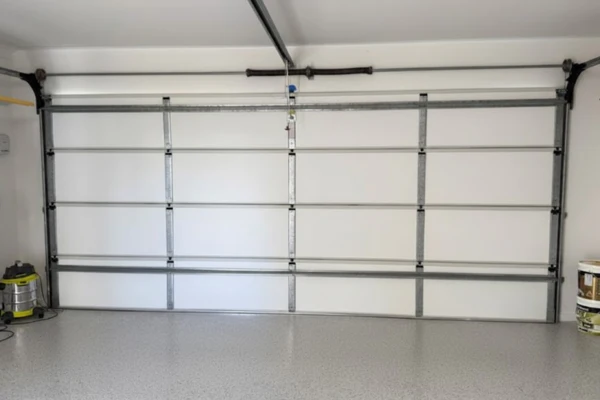
The Importance of Temperature Control in Garages
A garage without proper temperature control can experience extreme heat in summer and frigid cold in winter, affecting comfort, energy bills, and even structural integrity.
1. Comfort and Usability
A garage used as a home gym, workshop, or studio must maintain a stable temperature to remain functional year-round. Extreme temperatures can discourage use, hinder productivity, or even pose health risks.
2. Energy Efficiency
- Garages often share walls with living areas, allowing heat transfer.
- An uninsulated door allows energy loss in winter and heat gain in summer.
- Properly insulated doors reduce HVAC load, saving energy and lowering bills.
3. Protection of Stored Items
Temperature-sensitive items such as:
- Vehicles, particularly classic cars or electric vehicles
- Paints, solvents, and chemicals
- Wood, leather, and fabrics
- Electronics
are susceptible to damage from heat, cold, and humidity fluctuations. Insulated garage doors help stabilize the internal environment.
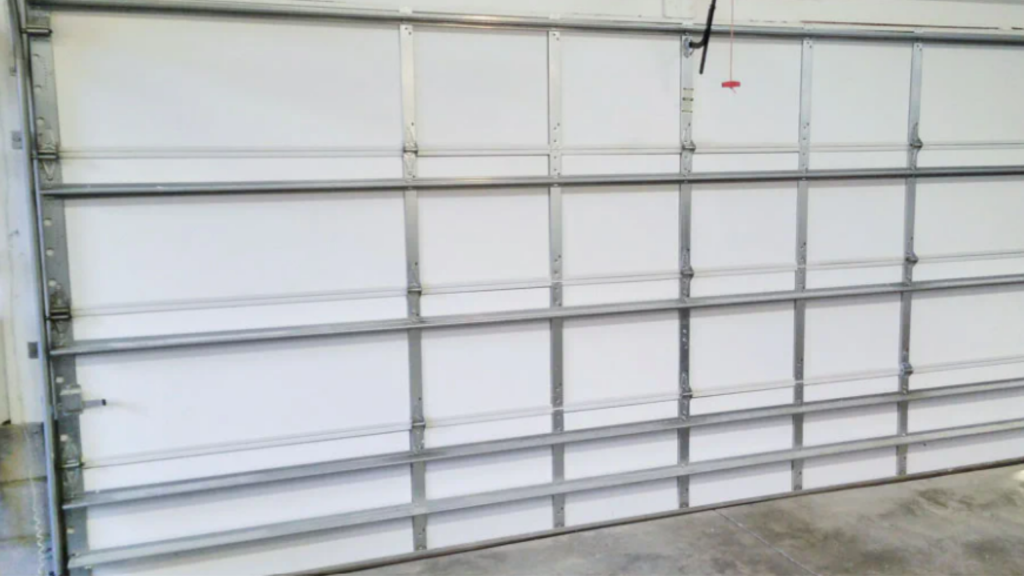
The Basics of Insulated Garage Doors
Insulated garage doors are designed to resist heat transfer, creating a barrier between the interior and exterior. Key elements include:
1. R-Value: The Measure of Thermal Resistance
The R-value measures a material’s resistance to heat flow:
- Higher R-value = better insulation
- Residential insulated garage doors typically range from R-6 to R-20
- R-values of R-10 to R-18 are common and adequate for most climates
2. Common Insulation Materials
a. Polystyrene
- Lightweight foam panels placed inside door sections
- Moderate insulation (R-6 to R-8)
- Cost-effective, but less rigid and slightly less effective at soundproofing
b. Polyurethane
- Injected foam that expands to fill cavities
- Dense core provides high insulation (R-12 to R-18)
- Adds structural strength and improves soundproofing
- Higher cost than polystyrene
c. Composite or Fiberboard Panels
- Thin layers of insulated material bonded to steel or aluminum
- Moderate insulation, flexible for custom designs
- Often used for aesthetic purposes
Engineering Principles Behind Insulated Garage Doors
Insulated garage doors are carefully engineered systems designed for thermal efficiency, structural integrity, and longevity.
1. Sectional Construction
- Doors consist of interconnected panels with insulation sandwiched between layers.
- Steel or aluminum skins protect insulation while improving rigidity and durability.
Multi-Layer vs. Single-Layer Doors
- Single-layer: Standard steel or aluminum, no insulation, low R-value
- Double-layer: Steel + insulation + backing, moderate insulation
- Triple-layer: Steel + insulation + steel backing + composite layer, premium insulation
2. Air Seals and Weatherstripping
- Gaps at edges or between panels can allow heat transfer
- Bottom seals, side seals, and inter-panel seals prevent air leakage
- Proper sealing enhances thermal performance and energy efficiency
3. Thermal Bridging
- Steel panels conduct heat easily
- Engineers include thermal breaks or insulated cores to reduce heat transfer
- Prevents condensation and maintains consistent interior temperatures
4. Soundproofing
- Dense insulation dampens noise from outside
- Polyurethane and multi-layer doors improve acoustic comfort, ideal for urban garages
Design and Installation Considerations
Proper design and installation are critical to maximizing insulation performance.
1. Accurate Measurements
- Doors must fit openings precisely to prevent drafts
- Oversized gaps reduce insulation effectiveness and can compromise security
2. Panel Alignment
- Properly aligned panels maintain consistent insulation and prevent stress fractures
- Misaligned panels may create gaps, reducing thermal efficiency
3. Track and Hardware Selection
- Heavy, insulated panels require robust tracks and rollers
- Durable hardware ensures smooth operation and prevents deformation of panels
4. Integration with Garage Design
- Combine door insulation with wall and ceiling insulation for full climate control
- Windows should be double-glazed or insulated to reduce heat loss
Energy Efficiency Benefits
Insulated doors provide multiple energy and comfort advantages:
1. Heat Transfer Reduction
- Minimizes heat loss in winter and heat gain in summer
- Reduces energy consumption of HVAC systems in adjoining spaces
2. Temperature Stability
- Maintains consistent garage temperature, protecting tools, vehicles, and stored items
3. Environmental Impact
- Lower energy use reduces carbon footprint
- Many doors use eco-friendly, low-VOC materials
Choosing the Right Insulated Garage Door
Selecting the right door depends on climate, usage, budget, and design preferences.
1. Climate
- Hot climates: Focus on solar heat reduction and reflective finishes
- Cold climates: Prioritize high R-value and airtight seals
- Humid climates: Moisture-resistant insulation prevents mold and corrosion
2. Usage
- Workshops/gyms: High insulation for comfort
- Vehicle storage: Moderate insulation is sufficient
- Living-space garages: Maximize thermal efficiency and noise reduction
3. Materials
- Steel: Durable, low maintenance
- Aluminum: Lightweight, corrosion-resistant, modern look
- Wood composite: Aesthetic appeal with moderate insulation
- Fiberglass/vinyl: Lightweight, corrosion-resistant, moderate insulation
Maintenance and Longevity
Proper maintenance preserves insulation and operation:
- Inspect weatherstripping and seals regularly
- Lubricate rollers, hinges, and tracks
- Repair dents or damage promptly to maintain insulation integrity
- Clean panels to prevent corrosion and UV degradation
Technological Advancements
Modern insulated doors incorporate smart technology and advanced materials:
1. Smart Door Openers
- Automate opening and closing based on temperature or time schedules
- Integrate with home automation systems for energy efficiency
2. Advanced Insulation Materials
- Phase-change materials store and release heat, improving passive temperature control
- Aerogel-infused panels offer ultra-high insulation and low weight
3. Energy Modeling
- R-value simulations optimize energy efficiency
- Helps homeowners choose doors suited to climate and orientation
Common Misconceptions
- All insulated doors are equal – Material, construction, and installation determine performance
- Thicker insulation always means better – Panel design and air sealing are equally important
- Insulated doors are only for cold climates – They prevent heat gain in summer too
- Installation doesn’t matter – Poor installation can reduce insulation by up to 30%
Case Studies
Case Study 1: Cold Climate Residential Garage
- Triple-layer steel with polyurethane foam
- Garage temperature maintained within 10°F of interior temperature
- Reduced heating demand by 20%
Case Study 2: Workshop Conversion
- Double-layer steel + polystyrene + insulated windows
- Comfortable year-round workspace
- Energy bills reduced 15%
Case Study 3: Urban Home with Shared Walls
- High-R-value insulated aluminum door
- Reduced noise infiltration and energy loss
- Improved comfort for adjoining rooms
Cost Considerations
- Single-layer doors: $500–$800
- Double-layer insulated doors: $800–$1,500
- Triple-layer premium doors: $1,500–$3,000+
- Installation: $200–$500 depending on complexity
- Long-term energy savings often offset initial investment
Conclusion
Insulated garage doors are an engineering solution for modern temperature control, balancing energy efficiency, comfort, and durability. Properly designed and installed doors:
- Maintain stable interior temperatures
- Protect tools, vehicles, and stored items
- Reduce energy bills and environmental impact
- Enhance aesthetic appeal and acoustic comfort
By understanding the materials, design principles, insulation methods, and installation requirements, homeowners can make informed decisions for a garage that is comfortable, energy-efficient, and long-lasting.
Investing in a high-quality insulated garage door is more than an upgrade—it is a long-term solution for functional, comfortable, and energy-smart garages, ensuring the space is usable in every season.