
A garage is supposed to be one of the most flexible spaces in your home. It’s where you park your car, store tools, set up a home gym, let kids play, or work on weekend projects. On Pinterest, garages look warm, organized, and full of life.
But in reality?
For most homeowners, the garage becomes completely unusable in winter.
You step inside for a few minutes and your hands go numb. Your breath fogs up. The treadmill sits untouched. Kids’ bikes collect dust. Even parking your car feels uncomfortable. Slowly, the garage turns into nothing more than a cold storage box.
If this sounds familiar, you’re not alone.
The truth is simple:
👉 A cold garage is wasted square footage.
In this article (Part 1), we’ll break down why garages get so cold, why this problem feels so universal, and how a few smart insulation fixes can completely change the space—without a major renovation.
Why Garages Get Freezing Cold (Even Colder Than Outside)
Many people assume their garage is cold just because it’s “not part of the house.” While that’s partly true, the real reasons are more specific—and more fixable—than most homeowners realize.
1. Garages Are Barely Insulated (If at All)
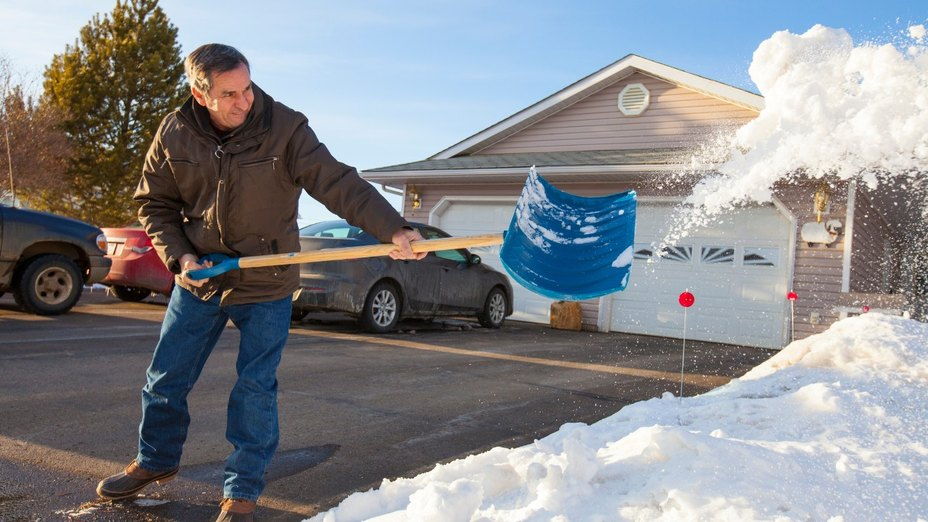
During construction, builders focus on insulating living areas. Garages are treated as secondary spaces, which means:
- Walls often have little or no insulation
- Ceilings are left bare if there’s no room above
- Garage doors are thin, hollow, or metal
- Floors are exposed concrete
Concrete alone absorbs cold and releases it slowly, making the garage feel icy even hours after the temperature outside improves.
This is why your garage can feel colder than the outdoors, especially in the morning.
2. Air Leaks Steal Heat Constantly
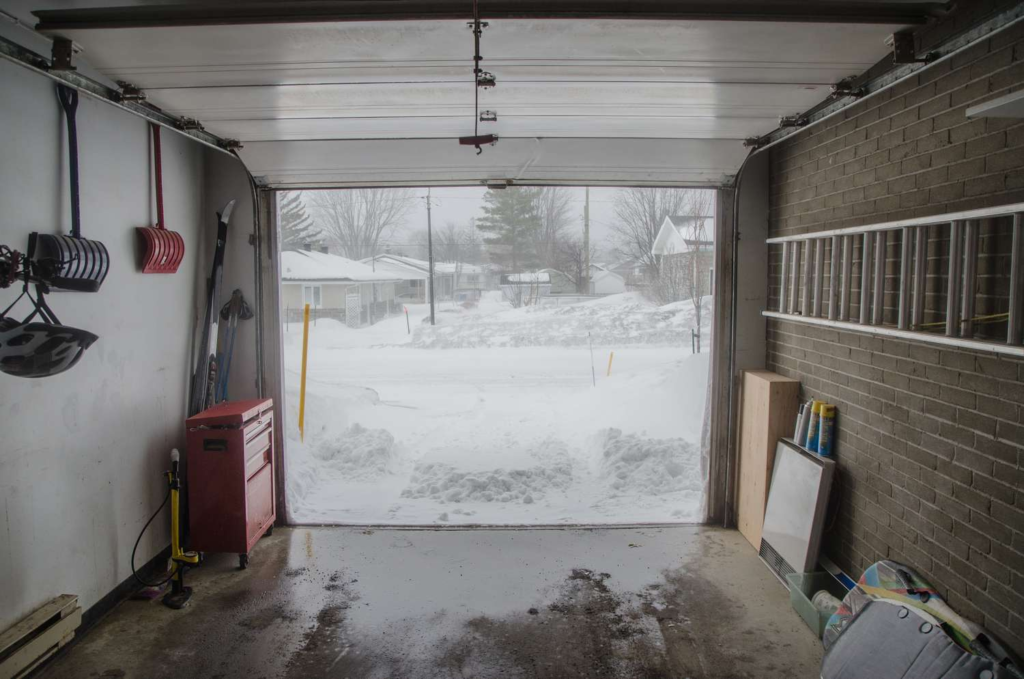
Garages are full of gaps—and each one acts like an open window in winter.
Common leak points include:
- Around the garage door frame
- Under the garage door
- Where walls meet the ceiling
- Utility and cable openings
Cold air flows in nonstop, while any warmth escapes immediately. This creates a drafty, wind-chill effect that makes the space feel harsher than it actually is.
3. Garages Don’t Retain Heat
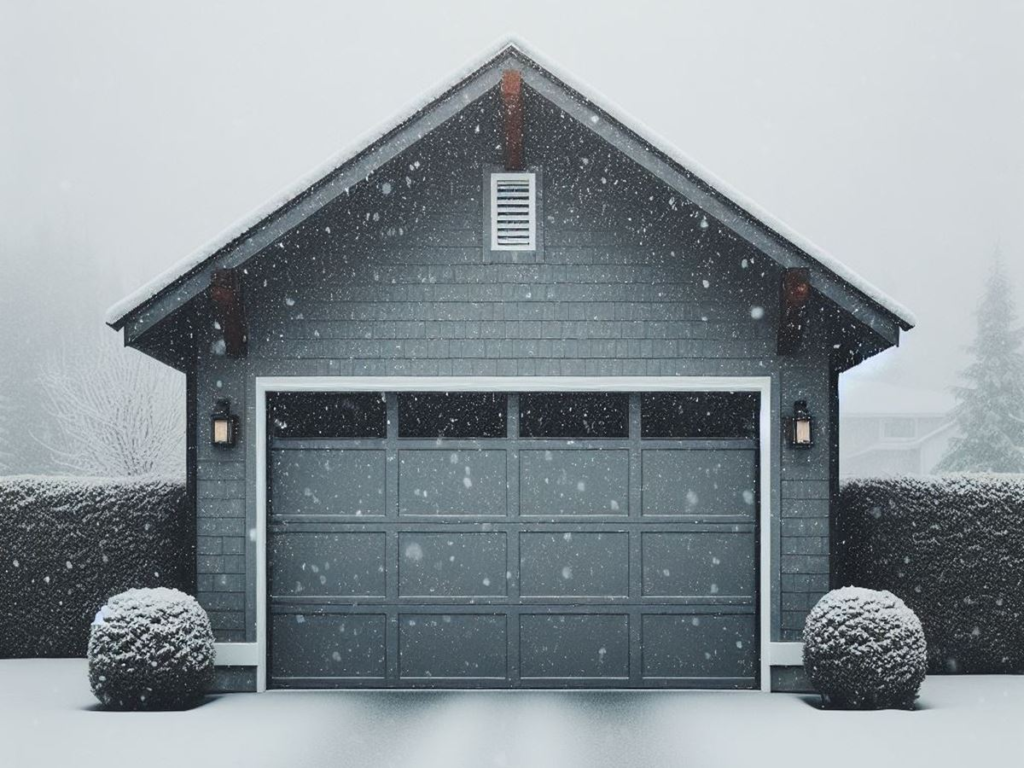
Even if you try to warm your garage temporarily, the heat doesn’t last.
Why?
- Thin walls
- Exposed framing
- Metal doors that conduct cold
Unlike living spaces, garages aren’t designed to hold warmth. Without insulation, heating the space is like pouring hot water into a bucket full of holes.
4. Garages Are Built for Cars, Not Comfort
Cars don’t care about temperature—people do.
Garage design prioritizes:
- Vehicle access
- Ventilation
- Low construction cost
Comfort is not part of the original plan. That’s why garages feel fine in summer but brutal in winter.

How a Cold Garage Becomes Completely Useless
A cold garage doesn’t just feel uncomfortable—it shuts down the space entirely.
❌ You Can’t Work Comfortably
If you use your garage as:
- A workshop
- A DIY space
- A hobby room
Cold temperatures reduce finger movement, stiffen joints, and make it hard to focus. Tools feel icy. Paint, glue, and materials stop working properly.
What was meant to be a creative space turns into a place you avoid.
❌ Home Gyms Stop Making Sense
Garages are one of the most popular locations for home gyms—until winter hits.
Common problems:
- Freezing metal equipment
- Cold floors
- Higher risk of muscle strain
That expensive gym setup ends up unused for months.
❌ Kids’ Toys and Storage Go Unused
Bikes, scooters, sports gear, and outdoor toys often live in the garage. But when it’s freezing:
- Kids don’t want to play there
- Parents don’t allow it
- Plastic toys become brittle and crack
The garage becomes a cluttered storage zone instead of a functional family space.
❌ Even Parking Becomes Uncomfortable
Ironically, even the basic purpose of a garage suffers.
- Steering wheel feels like ice
- Car interior stays cold
- Loading groceries is miserable
At that point, the garage isn’t serving anyone.
Quick Insulation Fixes That Make an Immediate Difference
You don’t need a full remodel to improve garage comfort. These simple fixes deliver the biggest impact.
1. Insulate the Garage Door (Biggest Win)
The garage door is usually the largest uninsulated surface in the entire space.
Options include:
- Foam insulation kits
- Rigid foam boards
- Upgrading to an insulated door
Even basic insulation can noticeably raise the temperature.
2. Seal Air Leaks First
Before adding insulation, stop heat loss.
Focus on:
- Weatherstripping around the door
- Door sweeps at the bottom
- Caulking visible cracks
This alone can dramatically reduce cold drafts.
3. Add Wall Insulation Where Possible
If walls are unfinished:
- Fiberglass batts
- Rock wool
- Rigid foam panels
If walls are finished:
- Insulate from the inside where accessible
- Focus on the coldest walls first
4. Don’t Forget the Ceiling
Heat rises—and escapes.
If there’s an attic or open rafters above the garage, ceiling insulation is critical. This is especially important if there’s living space above.
5. Make the Floor Feel Warmer
Concrete radiates cold.
Quick solutions:
- Rubber gym mats
- Interlocking foam tiles
- Area rugs for work zones
These don’t heat the space, but they make it feel warmer instantly.
From Frozen Storage to Usable Space
Once a garage feels warmer:
- People actually spend time there
- Organization improves
- The space gains purpose
This emotional shift—from avoiding the garage to enjoying it—is why this topic performs so well online.
Real Solutions to Turn a Freezing Garage into a Warm, Usable Space
In Part 1, we looked at why garages become unbearably cold and how basic insulation fixes can dramatically improve comfort. But for many homeowners, insulation alone doesn’t fully solve the problem—especially in colder climates or when the garage is used daily.
To truly transform a cold garage into a space you can work in, exercise in, and use comfortably year-round, you need a combination of smart insulation, targeted heating, and practical upgrades.
This section focuses entirely on what actually works.
Step 1: Lock the Warmth In Before Adding Heat
Before thinking about heaters, the most important step is stopping heat loss. Heating an unsealed garage wastes energy and money.
Seal Every Air Leak
Start with these critical areas:
- Weatherstrip around the garage door frame
- Install a door sweep at the bottom of the garage door
- Seal cracks in concrete and walls with caulk
- Close gaps around pipes, cables, and vents
Even small gaps can cause constant cold drafts. Sealing them often makes the garage feel warmer immediately—without turning on any heater.
Step 2: Insulate the Garage Door Properly
The garage door is often the single biggest source of heat loss.
Best Garage Door Insulation Options
- Foam insulation kits: Affordable and DIY-friendly
- Rigid foam boards: Better performance and durability
- Insulated garage doors: Best long-term solution
If you fix only one thing in your garage, fix the door first. A properly insulated door can raise the indoor temperature by several degrees.
Step 3: Upgrade Wall and Ceiling Insulation
Wall Insulation
If your garage walls are unfinished, insulation is straightforward:
- Fiberglass batts for budget builds
- Rock wool for better thermal and sound performance
- Rigid foam boards for thinner profiles
If walls are already finished, focus on the coldest exterior walls first or insulate behind storage systems.
Ceiling Insulation (Often the Missing Piece)
Heat rises. Without ceiling insulation, warmth escapes quickly.
Ceiling insulation is especially important if:
- There is living space above the garage
- The garage has open rafters
- You plan to add heating
Adding insulation here improves comfort in both the garage and the rooms above it.
Step 4: Choose the Right Heating Option for Your Garage
Once insulation is in place, heating becomes far more effective.
Electric Space Heaters (Small Garages)
Best for:
- Short work sessions
- Home gyms
- Mild to moderately cold climates
They are inexpensive and easy to use, but rely heavily on good insulation to be effective.
Infrared Heaters (Targeted Comfort)
Infrared heaters warm people and objects, not air.
Ideal for:
- Workbenches
- Workout zones
- Seating areas
They provide instant warmth and work well even in garages that are not perfectly sealed.
Mini-Split Heat Pumps (Best Long-Term Solution)
If you want your garage to feel like part of your home, a mini-split system is the most effective option.
Benefits include:
- Consistent heating and cooling
- High energy efficiency
- Quiet operation
- Precise temperature control
This option is ideal for converted garages, home offices, or family-use spaces.
Gas Heaters (For Large or Detached Garages)
Gas heaters provide powerful heat but require proper ventilation and safety planning. They are better suited for workshops or detached garages rather than family-used spaces.
Step 5: Make the Floor Feel Warm Underfoot
Cold floors make a garage feel colder than it actually is.
Simple Floor Comfort Upgrades
- Rubber gym mats
- Interlocking foam tiles
- Anti-fatigue mats near work areas
These upgrades don’t raise air temperature, but they significantly improve comfort—especially for workouts or standing tasks.
Step 6: Control Moisture and Condensation
Warming a garage without managing moisture can lead to problems.
To prevent condensation:
- Avoid overheating poorly insulated spaces
- Use a dehumidifier if needed
- Ensure proper ventilation
Dry air feels warmer and protects tools, equipment, and stored items.
Step 7: Zone Your Garage for Maximum Efficiency
You don’t need to heat the entire garage evenly.
Create zones:
- Warm zone for gym or workspace
- Cooler zone for storage
- Insulated corner for kids’ activities
Zoning reduces energy use and increases comfort where it matters most.
Step 8: Combine Comfort with Function
Once the garage is warm, the space becomes more valuable.
Warm garages are commonly used as:
- Home gyms
- Hobby rooms
- Kids’ play areas
- Workshop spaces
- Seasonal living extensions
When comfort improves, organization naturally follows—and the garage stops being wasted space.
A Realistic Transformation Plan
If you want results without overwhelm, follow this order:
- Seal all air leaks
- Insulate the garage door
- Add wall and ceiling insulation
- Choose a heating method
- Improve floor comfort
Each step builds on the previous one and delivers noticeable improvement.
Step-by-Step Transformation, Maintenance Tips, and the Final Garage Comfort Checklist
Many homeowners fail because they try to fix everything at once. The smarter approach is progressive improvement.
Step 1: Start With a Temperature Test
Before upgrading anything, spend a day observing your garage:
- Morning temperature
- Afternoon temperature
- Drafty spots
- Cold walls or corners
This helps you target the biggest problems first instead of guessing.
Step 2: Seal First, Always
Before insulation or heaters, eliminate air leaks.
Focus on:
- Door edges and corners
- Gaps under the garage door
- Cracks in concrete or drywall
- Openings around wiring and pipes
This step alone can noticeably improve comfort and reduce heating costs later.
Step 3: Fix the Garage Door
If your garage door is uninsulated, treat it as a priority.
- Install foam or rigid insulation
- Ensure proper weatherstripping
- Check door alignment
A sealed, insulated door changes the entire feel of the space.
Step 4: Add Insulation Where It Matters Most
You don’t need to insulate everything at once.
Start with:
- Exterior walls
- Ceiling or attic space
- Shared walls with living areas
Each layer helps retain warmth and improves overall stability.
Step 5: Choose Heating Based on How You Use the Space
Ask yourself:
- How long do I spend in the garage?
- Is this occasional or daily use?
- Do kids use this space?
Then choose accordingly:
- Short sessions → electric or infrared heater
- Daily use → mini-split heat pump
Avoid overspending on heating for a space that’s rarely occupied.
Step 6: Make the Floor Comfortable
Cold floors discourage use even in warm air.
- Add gym mats for workouts
- Use foam tiles for play areas
- Place anti-fatigue mats at workbenches
This instantly improves comfort and safety.
How Warm Garages Actually Get Used
Once a garage is warm, it naturally becomes part of daily life.
Home Gym
- No excuses in winter
- Safe warm-up temperatures
- Equipment stays protected
Kids’ Activity Space
- Bikes and toys stay usable year-round
- Controlled environment
- Extra play space without expanding the house
Workshop or Hobby Room
- Materials behave properly
- Tools last longer
- Comfortable focus for longer sessions
Storage That Actually Protects Items
Warm, dry garages prevent:
- Rust
- Moisture damage
- Cracked plastics
Seasonal Maintenance Tips for a Warm Garage
A comfortable garage needs occasional attention.
Winter Maintenance
- Inspect weatherstripping
- Check insulation for gaps
- Monitor humidity levels
Spring and Summer Maintenance
- Clean vents and heaters
- Adjust insulation if needed
- Prepare for cooling if using a mini-split
Small seasonal checks prevent big problems later.
Common Mistakes to Avoid at This Stage
Even after upgrades, some mistakes can reduce results:
- Overheating without insulation
- Blocking ventilation completely
- Ignoring condensation
- Heating unused areas unnecessarily
Comfort comes from balance, not extreme temperatures.
Final Garage Comfort Checklist
Use this checklist to confirm your garage is truly winter-ready:
✔ Air leaks sealed
✔ Garage door insulated and weatherstripped
✔ Walls insulated where possible
✔ Ceiling insulated
✔ Appropriate heating installed
✔ Floors covered for warmth
✔ Moisture under control
✔ Space zoned for actual use
If you can check most of these boxes, your garage is no longer wasted space.
The Bigger Picture: More Than Just Warmth
A warm garage does more than improve comfort.
It:
- Expands usable living space
- Increases home functionality
- Protects equipment and belongings
- Improves daily routines
Instead of avoiding your garage for months, you start using it confidently all year long.
Final Thoughts
Your garage doesn’t have to be freezing, empty, or ignored.
With smart insulation, the right heating approach, and a step-by-step plan, you can turn it into one of the most useful spaces in your home—without a full renovation.
A cold garage is useless space.
A warm garage is opportunity.