

Lighting has a major influence on the way a home looks and feels. A room with beautiful furniture can still feel incomplete if the lighting is too harsh, poorly positioned, or visually disconnected from the rest of the interior.
This is why modern homeowners are paying more attention to lighting as a design feature rather than treating it as a purely functional necessity.
One trend that fits especially well with contemporary interiors is wooden lighting. By combining natural materials with modern forms, wooden fixtures can add warmth, texture, and personality to living spaces without making them feel overly traditional.
From pendant lights to wall-mounted fixtures, wooden lighting can work with many interior styles and room types.
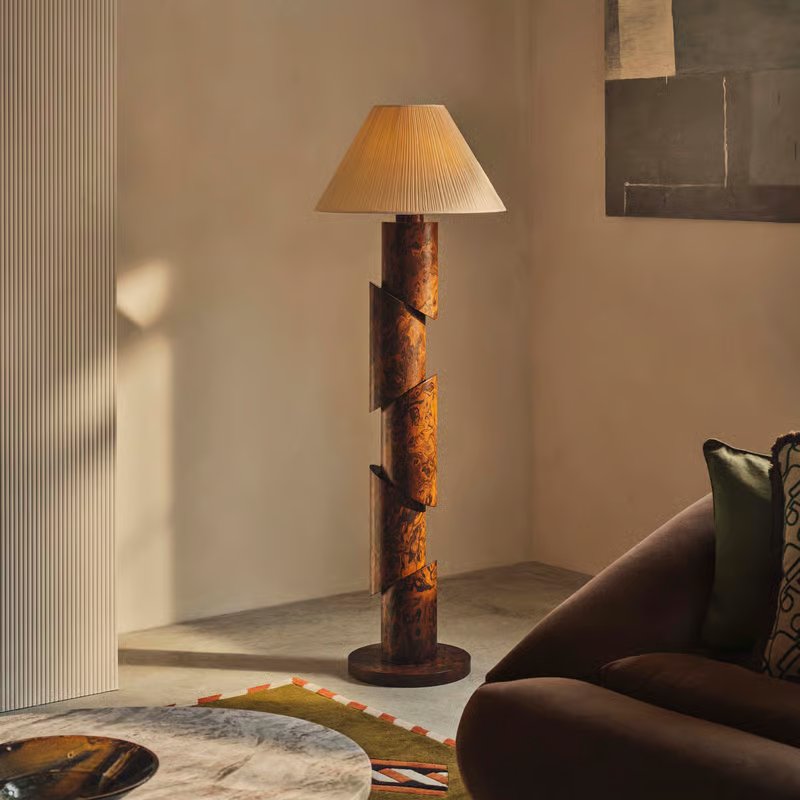
Why Wooden Lighting Fits Modern Interiors
Contemporary homes often use neutral colours, clean surfaces, and simple furniture.
These elements create a neat and elegant appearance, but they can sometimes make a space feel too plain or cold.
Wood helps solve this problem.
Its natural grain, subtle colour variations, and warm appearance introduce texture without adding visual clutter. This makes wooden lighting especially useful in interiors that feature materials such as:
- Concrete
- Glass
- Metal
- Marble
- White walls
- Neutral fabrics
A wooden fixture can soften these harder materials and make a room feel more comfortable.
Use Pendant Lights to Create a Visual Centre
Pendant lighting is one of the easiest ways to create a focal point.
Unlike recessed or flush-mounted lights, pendant fixtures hang down into the room and become part of the visible design.
They work particularly well above:
- Dining tables
- Kitchen counters
- Islands
- Breakfast areas
- Entrance halls
- Reading spaces
A wooden pendant light can provide both illumination and decorative value.
In a minimalist dining room, for example, a sculptural timber pendant can add character without the need for additional wall decoration.
Homeowners interested in natural materials can explore collections of handcrafted wooden lighting that combine wood craftsmanship with contemporary design.
Create Softer Lighting in Living Rooms
Living rooms usually need several different types of lighting.
A strong ceiling light may be useful for cleaning or general visibility, but it is often too bright for relaxing in the evening.
Adding floor lamps, table lamps, and wall lights creates smaller zones of illumination and makes the space feel more inviting.
For example, a floor lamp beside a sofa can create a comfortable reading area while a table lamp on a sideboard can provide softer background illumination.
This layered approach also allows the atmosphere of the room to change depending on the activity.
Add Character with Wooden Floor Lamps
Floor lamps are particularly useful in larger rooms because they add both height and light.
They can help fill empty corners without requiring additional furniture.
A wooden floor lamp works especially well beside:
- Sofas
- Armchairs
- Bookshelves
- Indoor plants
- Console units
The vertical shape can also help balance low furniture such as coffee tables and sofas.
When combined with a warm bulb, the natural timber can create a relaxed evening atmosphere.
Use Wall Lights Where Space Is Limited
Wall-mounted fixtures are a smart choice in rooms where floor and table space is limited.
They can provide useful illumination without making the room feel crowded.
Wooden wall lights work well in:
- Bedrooms
- Hallways
- Staircases
- Small living rooms
- Reading corners
- Home offices
They can also be used as decorative features.
For example, a pair of wooden wall lights placed on either side of a bed can create a balanced appearance while keeping bedside tables free.
Make Bedrooms Feel More Relaxing
Bedrooms benefit from softer lighting more than almost any other area of the home.
Very bright ceiling lights can make the room feel less relaxing, especially in the evening.
Wooden bedside lamps or wall-mounted lights can create a calmer atmosphere.
Warm white bulbs are usually a good choice because they complement natural timber tones and create a softer visual effect.
Lighting can also be placed at lower levels to reduce glare and make the room feel more comfortable before sleep.
Match Lighting with Other Natural Materials
Wooden lighting is especially effective when combined with other natural materials.
These can include:
- Linen curtains
- Cotton cushions
- Wool rugs
- Stone surfaces
- Rattan furniture
- Indoor plants
The materials do not need to match perfectly.
In fact, slightly different textures often make a room feel more natural and layered.
For example, a wooden lamp beside a linen chair and a large plant can create an attractive corner without requiring many decorative objects.
Choose the Right Wood Tone
The colour of the wood can influence the overall appearance of the room.
Light Wood
Light timber creates an airy and relaxed appearance.
It works especially well in Scandinavian and minimalist interiors.
Medium Wood
Medium tones create a warmer visual effect while remaining easy to combine with different furniture colours.
Dark Wood
Dark timber can create stronger contrast and make a fixture more noticeable.
It works particularly well against pale walls and light-coloured furniture.
The best option depends on the existing materials already used in the room.
Consider the Shape of the Fixture
Wooden lighting is available in many forms.
Some fixtures use straight lines and simple geometric shapes, while others use curved or sculptural designs.
Minimal shapes are usually better for rooms with lots of decoration.
More expressive fixtures can work well in simpler rooms where the light is intended to become the main feature.
Before choosing a fixture, consider how noticeable you want it to be.
Use Lighting to Highlight Architectural Features
Lighting can also help draw attention to interesting parts of a home.
Wall lights can highlight textured surfaces, artwork, shelving, or decorative panels.
Pendant lighting can emphasize a dining table or kitchen island.
Floor lamps can create focus around a reading chair or seating area.
The placement of the light is often just as important as the design of the fixture itself.
The Appeal of Handmade Wooden Designs
Handmade products often have more visual character than mass-produced alternatives.
With natural wood, small variations in grain and tone make each piece slightly different.
These differences can add authenticity to an interior.
For homeowners who prefer pieces with a more individual appearance, handcrafted wooden lighting can serve as both a practical object and a decorative feature.
It can also provide a subtle connection to traditional woodworking techniques within an otherwise modern home.
Combine Lighting with Plants
Plants and wooden lighting are a natural combination.
Both introduce organic shapes and textures into the interior.
A floor lamp next to a tall indoor plant can transform an empty corner, while smaller plants can complement wooden table lamps on shelves and sideboards.
This approach also fits well with biophilic design, which focuses on bringing natural elements into indoor environments.
Even a small amount of greenery can help reinforce the warmth created by timber lighting.
Use Warm Light for a More Comfortable Effect
Bulb colour temperature has a significant effect on the appearance of wooden fixtures.
Warm white lighting usually works best in bedrooms, living rooms, and dining areas because it enhances the natural tones of the wood.
Cool white lighting may be more appropriate in kitchens, offices, or workspaces where clearer visibility is required.
Dimmable bulbs can provide the best of both options by allowing the brightness to be adjusted throughout the day.
Avoid Overloading the Room
Although wooden lighting can be visually attractive, it should still feel balanced with the rest of the interior.
Using too many decorative fixtures in the same room can make the space feel busy.
One statement pendant may be enough in a dining area, while simpler wall or table lamps can support the overall lighting design.
The goal is to create a consistent look rather than making every light fixture compete for attention.
Final Thoughts
Lighting can completely change the atmosphere of a home.
Wooden lighting offers a simple way to bring natural texture, warmth, and character into modern interiors while still maintaining a clean and contemporary appearance.
Pendant lights can become strong visual features, wall lights can provide practical illumination in smaller spaces, and floor or table lamps can create softer areas of light for relaxing.
When combined with natural fabrics, plants, neutral colours, and thoughtful placement, wooden fixtures can help create interiors that feel both modern and comfortable.
The best results come from treating lighting as part of the overall design rather than as an afterthought.