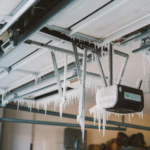

Keep Your Garage Clean, Safe & Protected Through the Harsh Winter Months
Winter is the harshest season for garages—whether you live in the snowy Midwest, the icy Northeast, or any region where temperatures drop and slush, salt, and snow pile up. When your vehicle enters the garage after a winter drive, it brings along a heavy mixture of snow, ice, salt, dirt, and road sludge.
All of it melts.
All of it spreads.
And all of it eventually ends up damaging your garage floor.
That’s where garage floor mats designed for snow and slush make a massive difference. In this 2025 guide, you’ll learn everything you need to know—including the best mats, how to choose one, how to use them, and expert maintenance tips to keep your garage clean all winter long.

❄️ Why a Good Garage Floor Mat Matters in Winter
Most people don’t realize just how much winter moisture enters the garage every single day. A single vehicle can carry:
- Several liters of snow and slush
- Road salt and de-icing chemicals
- Dirt, gravel, and mud
- Oil residues and water mixed from winter roads
Once all this melts, it creates puddles, grime streaks, and corrosive patches that can seriously harm concrete.
A winter-ready garage mat gives you an instant, affordable solution.
Here’s why it matters.
1. Mats Trap Snow, Water, Slush & Salt Before It Damages Concrete
Concrete is porous.
That means melted snow and salty water seep in, freeze at night, expand, and cause cracks.
A good garage mat traps:
- Snow
- Slush
- Mud
- Salt
- Dirty meltwater
…all in one contained space instead of letting it seep into the floor or spread throughout your garage.
This is especially important in areas where snow and salt melt repeatedly throughout the day.
2. Mats Protect Concrete Floors From Salt Corrosion & Moisture Damage
Salt is extremely corrosive.
Over time, winter chemicals can:
- Eat away the top layer of concrete
- Create flaking and spalling
- Cause rust spots
- Damage tools, bikes, and metal items stored nearby
Garage floor mats act as a protective shield. The thicker the mat (PVC or rubber), the better the protection.
3. Easier Cleanup—No More Winter Mess Everywhere
Without a mat, winter cleanup means:
- Scrubbing floors
- Sweeping constantly
- Removing ice puddles
- Trying to get salt stains out
With a mat?
Just sweep, squeegee, or hose it off.
Cleanup becomes a 30-second job.
4. Increased Safety Inside Your Garage
Wet concrete becomes slippery.
Wet, salty concrete becomes even worse.
- Slip hazards
- Water pooling
- Ice patches
- Vehicle tire slipping
- Accidents with kids or older family members
If you use your garage as a mudroom, gym, workshop, or entryway, mats are even more important.
5. Mats Extend the Lifespan of Your Garage Floor & Vehicles
Long-term winter exposure leads to:
- Concrete deterioration
- Rust on vehicles
- Damage to storage racks
- Moisture under tires
A good mat reduces all these risks and helps maintain the value of your home and your car.
✅ What to Look for in a Garage Floor Mat for Snow & Slush
Not all garage mats are winter-grade.
Here’s what matters most.
1. Waterproof or Water-Resistant Material
Winter mats should be made of:
- Heavy-duty PVC
- Thick rubber
- Vinyl composite
Avoid light foam mats—they soak up water and mold.
2. Raised Edges / Containment Lip
This is one of the most important features.
Raised edges (1–2 inches) keep snowmelt inside the mat, not leaking onto the floor. Without containment edges, melted snow simply flows off the mat and spreads everywhere.
Best for:
Car parking mats, high-snow regions.
3. Durability & Tear Resistance
Winter conditions are harsh.
A good mat must handle:
- The weight of an SUV
- Hot tires
- Road salt
- Shovels, boots, tools
- Constant moisture
Thin mats tear quickly.
Thicker mats last for years.
4. Proper Size & Coverage Area
Measure the space where you want protection.
For cars, choose:
- Sedan: 7’ to 8’ wide × 16’ to 18’ long
- SUV/truck: 8’ to 10’ wide × 18’ to 22’ long
For foot-traffic zones:
- 3’ to 5’ wide × 6’ to 10’ long
5. Non-Slip Surface / Traction Grip
Important for safety.
The mat should prevent:
- Boot slipping
- Vehicle tire spinning
- Wet-surface accidents
Look for textured or ribbed tops.
6. Easy Cleaning & Low Maintenance
You should be able to clean the mat by:
- Sweeping
- Squeegeeing
- Hosing off
- Mild detergent rinse
Some mats require zero maintenance beyond occasional cleaning.
7. Low Profile & Good Fit Under Vehicles
A thick edge can interfere with:
- Opening car doors
- Closing the garage door
- Parking alignment
Low-profile edges are ideal for compact garages.
8. Resistance to Salt, Oil & Chemical De-Icers
Winter road slush contains:
- Calcium chloride
- Magnesium chloride
- Sodium chloride
- Automotive fluids
Your mat must withstand these without degrading.
🛒 Best Garage Floor Mats for Snow & Slush (Top Picks for 2025)
Here are the top-performing winter garage mats—ranked and explained for different needs.
🥇 1. AutoFloorGuard Extra Large Heavy Duty Containment Mat
Best Overall for Cars & SUVs
This is one of the most popular winter garage mats on the market. It’s specifically designed for harsh snow climates and heavy vehicles.
Why it stands out:
- Extra-large size ideal for SUVs & trucks
- Thick PVC construction
- 1-3 inch raised containment edges
- Zero assembly—just unroll and use
- Great for slush-heavy climates
- Very durable for long-term use
If your car drips snow, slush, salt, and meltwater daily, this mat is a lifesaver.
🥈 2. VEVOR 8’10” × 22′ Heavy Duty Garage Floor Mat
Best Value for Large Vehicles
VEVOR has become a top choice for cost-conscious homeowners who still want high performance.
Why it’s perfect for winter:
- Big coverage area
- Waterproof material
- Good traction surface
- Affordable price compared to competitors
- Designed for snow, mud, and slush
Perfect for garages with bigger vehicles or multiple drivers.
🧰 3. JVXYORENS Heavy Duty Rubber Garage Floor Mat
Best Rubber Mat for Multi-Use Garages
If your garage is more than just parking—like a workshop or mudroom—this is ideal.
Benefits:
- Thick, durable rubber
- Slip-resistant texture
- Great for areas where you walk with wet boots
- Good for storing bikes, tools, or snow blowers
- Easy to hose off
Rubber mats are versatile and long-lasting.
🧰 4. Nisorpa 100×500 cm Rubber Sheet Garage Mat
Best for Custom Size Cutting
A roll-out mat that you can trim or customize to fit odd-shaped spaces.
Best for:
- Walkways
- Entry points
- Snow-blower storage areas
- Under tire zones
- DIY garage layouts
This is a budget-friendly option with solid winter performance.
💡 5. High Density Waterproof Rubber Mat (Budget Pick)
Best for Light Winter Use / Foot Traffic
If you don’t need full-car coverage, this affordable mat is perfect for:
- Storing winter boots
- Bike areas
- Entry zones
- Under a workbench
Great for preventing small puddles and slip hazards.
💡 6. Hanjet Garage Floor Mat (7’9″ × 18′)
Best Mid-Range Mat
This mat offers excellent size and durability without a high price tag.
Ideal for:
- Small to mid-size cars
- Occasional snow/slush
- Homeowners wanting balance of cost and quality
💡 7. Garage Rubber Mat 1.5 mm (Thin, Anti-Slip Mat)
Best for Entryways
Not suitable for full vehicle weight, but great for:
- Footpaths
- Mudrooms
- Wet zones
- Side entrances
💡 8. 3 mm Thick Garage Floor Mat (Industrial Level)
Best for Heavy Equipment & Winter Storage
This mat is very thick and durable—ideal for:
- Trailers
- Snow blowers
- ATVs
- Long-term winter vehicle storage
🔧 How to Install & Use Garage Floor Mats in Winter
You’ll extend the mat’s life and protect your garage better by following these steps.
1. Install Mats Before the Snow Season Starts
Unroll your mat early, ideally when:
- The floor is dry
- Temperatures are mild
- You can let it flatten properly
Installing during a storm is messy.
2. Let the Mat Relax & Unfold Completely
Some mats have memory from being rolled.
Use:
- Mild sun
- Warm air
- A space heater
This helps flatten creases faster.
3. Keep a Squeegee Handy
A simple floor squeegee lets you remove:
- Meltwater
- Slush
- Salt residue
Some mats are designed for daily squeegee use.
4. Clean Mats Regularly
This prevents buildup of:
- Salt
- Dirt
- Winter oils
For heavy winter use, rinse every 1–2 weeks.
5. Check Under Mats Monthly
Moisture can sometimes accumulate underneath rubber mats.
Lift and dry periodically—especially in humid climates.
6. Replace or Repair When Edges Crack
If the edges break, containment fails.
Some brands sell repair kits for this purpose.
⚠️ Limitations: What Garage Floor Mats Can’t Fully Solve
Garage floor mats are amazing—but they’re not magic.
Here’s what to expect.
1. Most Mats Don’t Have Built-In Drainage
Meltwater can pool unless manually removed.
If your garage slopes backward, you’ll need more frequent squeegeeing.
2. Moisture Can Sometimes Get Trapped Under Rubber Mats
This may lead to:
- Mold
- Musty smells
- Moisture spots
Lift mats occasionally to dry the concrete.
3. Mats Don’t Replace Good Garage Maintenance
Still important to:
- Sweep floors
- Rinse mats
- Remove salt from tires
4. For Extreme Winters, Mats + Floor Coating Are Best
For long-term protection, combine:
- Epoxy or polyurea coating
- Garage floor mats
This protects against salt damage and provides a smooth, easy-to-clean surface.
📊 Quick Comparison: Best Mat Type for Each Need
| Your Garage Needs | Recommended Mat Type |
|---|---|
| Heavy snow, SUVs, daily winter driving | Containment mats (AutoFloorGuard, VEVOR) |
| Workshop + winter walking paths | Rubber mats (JVXYORENS, Nisorpa) |
| Light snow, entry areas | Budget thin mats |
| Odd-shaped spaces | Cut-to-size roll mats |
| Under equipment or snow blowers | Thick industrial mats |
| Full garage coverage | Large sheet rubber mats |
🧑🔧 Winter Maintenance Checklist (Easy Routine)
Use this checklist to keep your garage clean all winter.
Great for your Pinterest pin or for a downloadable PDF.
Before Winter
✔ Place containment mats under vehicles
✔ Add rubber mats in entry or walkway zones
✔ Check floor slope—plan drainage
✔ Keep a squeegee handy
Weekly
✔ Remove snow/ice with a squeegee
✔ Sweep salt and debris
✔ Shake off loose ice from mats
✔ Check edges for cracking
Monthly
✔ Clean mats with hose + mild soap
✔ Lift mats to dry the floor
✔ Inspect for leaks
End of Winter
✔ Deep clean mats
✔ Dry and roll for storage (if storing)
✔ Inspect garage floor for damage
🎯 Conclusion — Are Garage Floor Mats Worth It for Winter?
Absolutely—especially if you live in a snowy region.
A good winter garage floor mat:
- Protects your concrete
- Prevents salt damage
- Makes winter cleanup easy
- Improves safety
- Keeps the garage clean and dry
- Reduces long-term repair costs
- Extends the life of cars, tools, and storage
Whether you choose a full containment mat for your vehicle or a rubber mat for foot traffic, the right floor protection makes winter far easier to manage.