
Most homeowners do not think about their electrical system until something goes wrong. As long as the lights turn on and the appliances run, everything seems fine.
But your electrical system works quietly behind the walls every single day. Over time, wear and tear, increased power demand, and outdated components can turn that quiet system into a hidden risk.
Knowing the warning signs early can save you from costly repairs, safety hazards, and unexpected breakdowns.
Frequent Circuit Breaker Trips
If your circuit breaker trips occasionally, that is normal. It is designed to protect your home from overload.
But if it happens often, especially when using common appliances, it may signal a deeper issue. Modern homes use far more electricity than older systems were built to handle.
Frequent trips usually mean your circuits are overloaded or your panel is outdated. Ignoring this problem can strain wiring and increase fire risk.
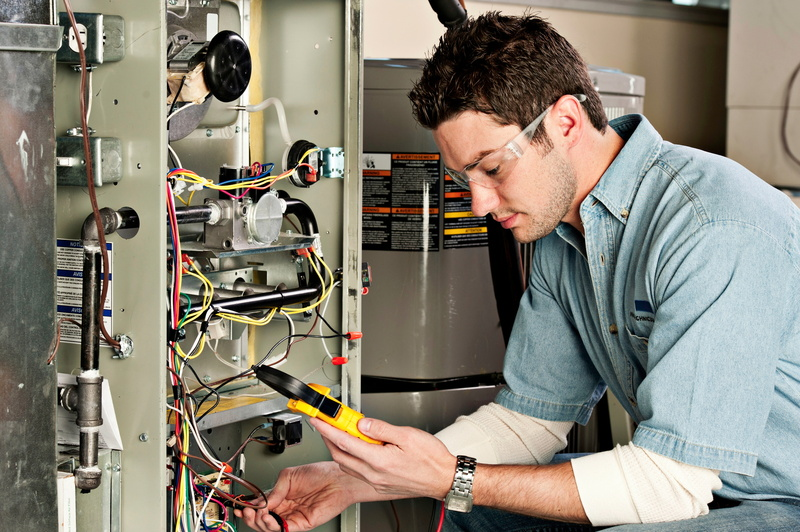
An experienced electrician in Fenton MO can inspect your panel and determine whether an upgrade is necessary. Sometimes adding dedicated circuits or replacing an old panel makes a significant difference.
Your breaker should protect you, not constantly interrupt your daily life.
Flickering or Dimming Lights
Lights that flicker when you turn on a microwave or air conditioner are not just annoying. They often indicate voltage fluctuations or overloaded circuits.
In some cases, loose wiring connections may be the cause. Loose connections generate heat, which can become dangerous over time.
If flickering happens regularly or affects multiple rooms, it is time for a professional evaluation.
Consistent lighting should be the standard in a healthy electrical system.
Burning Smell or Discolored Outlets
A faint burning smell near outlets or switches is a serious red flag. It may indicate overheating wires behind the wall.
You might also notice discoloration or dark marks around outlets. This often results from excessive heat buildup.
Outlets should never feel warm to the touch. If they do, unplug devices immediately and contact a professional.
These signs should never be ignored. Electrical fires often begin with small warning signals.
Outdated Electrical Panel
If your home still uses a fuse box instead of a breaker panel, it is likely outdated. Even older breaker panels may not meet modern power demands.
Homes built decades ago were not designed for today’s technology. Large televisions, gaming systems, kitchen appliances, and home offices all add strain.
An outdated panel struggles to distribute power evenly. This increases the risk of overload and equipment damage.
Upgrading your panel improves safety and prepares your home for future expansion.
Limited Outlets and Overuse of Power Strips
If you rely heavily on extension cords and power strips, your home may not have enough outlets for modern living.
While power strips provide convenience, they can overload circuits when multiple high demand devices are connected.
Adding properly installed outlets reduces strain and improves safety.
An upgraded electrical system can be designed around your lifestyle, ensuring that each room has adequate power access.
Convenience should never come at the cost of safety.
Buzzing Sounds from Walls or Switches
Electricity should be silent. If you hear buzzing or crackling sounds from outlets, switches, or inside walls, it is not normal.
These sounds may signal loose wiring, faulty breakers, or damaged components.
Left unchecked, these issues can worsen quickly.
Strange noises from your electrical system are always worth investigating.
Frequent Light Bulb Burnouts
If your light bulbs burn out much faster than expected, it may point to voltage problems.
High voltage can shorten bulb life and damage electronics. Inconsistent power flow stresses devices and appliances.
While occasional burnout happens, repeated failures suggest an underlying electrical imbalance.
Correcting voltage issues protects both your lighting and your expensive equipment.
You Are Planning Major Appliance Additions
Upgrading to a new HVAC system, installing an electric vehicle charger, or adding a home workshop increases electrical demand.
If your current system is already near capacity, adding more load can push it beyond safe limits.
Before installing high power appliances, it is wise to have your system evaluated.
Planning ahead prevents overload and ensures your home can support new additions safely.
Your Home Is Over Twenty Five Years Old
Age alone does not guarantee problems, but older homes are more likely to have outdated wiring.
Materials degrade over time. Insulation around wires can become brittle. Connections may loosen.
If your home has never had an electrical upgrade, a professional inspection can reveal hidden concerns.
Preventive upgrades often cost far less than emergency repairs.
Mild Shocks When Touching Appliances
If you feel a slight shock when touching appliances or metal fixtures, your system may not be grounded properly.
Grounding directs excess electricity safely into the earth. Without it, stray current can create shock hazards.
Even mild shocks should not be dismissed.
Proper grounding is essential for safety.
Rising Energy Bills Without Clear Reason
An inefficient electrical system can waste energy. Loose connections and outdated components increase resistance, which produces heat and wasted power.
If your electricity bill rises without a clear explanation, your wiring may be part of the issue.
Upgrading to modern components can improve efficiency and reduce unnecessary consumption.
Final Thoughts
Your home’s electrical system is one of its most important features, yet it often receives the least attention.
Frequent breaker trips, flickering lights, warm outlets, buzzing sounds, and outdated panels are not minor inconveniences. They are warning signs.
Addressing these issues early protects your property and your family.
If you recognize any of these symptoms, do not wait for a major failure. A professional evaluation can determine whether an upgrade is needed and ensure your system meets today’s safety standards.
A strong electrical system supports everything you do at home. Keeping it updated is not just smart. It is essential for safe and reliable living.