
During winter, most garage owners focus on snow, ice, and freezing temperatures. But one of the most damaging winter garage problems doesn’t come from cold alone—it comes from water.
Water seeping into the garage is a widespread winter issue caused by melting snow, hidden gaps, and poor drainage. Unlike dramatic flooding, this problem often starts subtly: damp floors, musty smells, small puddles, or condensation that never fully dries.
Over time, this moisture leads to mold growth, mildew buildup, structural damage, rust, and persistent bad odors that can spread into the home.
This in-depth guide explains:
- How and why water enters garages in winter
- Why poor drainage makes the problem worse
- How moisture leads to mold, mildew, and odor issues
- Practical, long-term solutions homeowners can apply

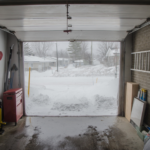
Melting Snow Enters the Garage Through Gaps
Why Winter Is the Worst Season for Garage Water Intrusion
Winter creates a perfect environment for water intrusion because:
- Snow accumulates outside garage doors
- Vehicles bring snow and slush inside
- Daytime melting is followed by nighttime refreezing
- Small gaps expand and contract due to temperature changes
Garages are not fully sealed structures, and winter exposes every weakness.
Common Entry Points Where Water Sneaks In
Most garage water problems are not caused by one big opening—but by multiple small gaps working together.
1. Gap Under the Garage Door
This is the most common entry point.
Causes:
- Worn weather stripping
- Uneven concrete slab
- Door warping due to cold
Even a gap as small as a few millimeters can allow significant water entry when snow melts.

2. Side and Corner Door Gaps
Garage doors rarely seal perfectly along the sides.
Winter effects:
- Door tracks shift slightly
- Rubber seals harden and crack
- Wind-driven meltwater pushes inside
Water tends to pool near corners first.
3. Cracks in Garage Floor and Walls
Hairline cracks may seem harmless, but in winter:
- Meltwater flows toward low points
- Water penetrates cracks
- Freeze-thaw cycles widen them
Over time, these cracks become permanent moisture pathways.
4. Vehicle-Related Water Entry
Every winter drive brings water inside:
- Snow stuck in tire treads
- Ice packed in wheel wells
- Slush dripping from undercarriage
One vehicle can introduce several liters of water per day into a garage.
Why This Problem Often Goes Unnoticed
Many homeowners miss early signs because:
- Water dries slowly in winter
- Garages are poorly ventilated
- Moisture hides under stored items
- Smells develop gradually
By the time puddles are visible, moisture damage is already underway.
Warning Signs of Water Seepage
- Damp concrete that never fully dries
- White chalky residue (efflorescence)
- Rust on tools or shelving
- Warped cardboard boxes
- Persistent musty smell
These signs indicate ongoing moisture intrusion, not a one-time incident.
Why Attached Garages Are at Higher Risk
Attached garages:
- Share walls with living space
- Trap warm air that melts snow faster
- Allow moisture to migrate indoors
This can lead to moisture problems inside the house itself.
Poor Drainage Causes Standing Water and Puddles
Why Garage Drainage Is Often Poor by Design
Most residential garages:
- Have flat floors
- Lack floor drains
- Were not designed for heavy water loads
They rely on water exiting through the garage door—an unreliable method in winter.
How Poor Drainage Creates Persistent Puddles
Water enters → spreads across flat concrete → collects in low spots → has nowhere to go.
This leads to:
- Standing puddles
- Ice formation overnight
- Repeated wet-dry cycles
Each cycle increases damage.

Common Drainage Problems in Garages
1. Improper Floor Slope
Many garage slabs:
- Slope inward instead of outward
- Have settled unevenly over time
Water flows toward walls instead of the door.
2. Blocked Exterior Drainage
Outside factors matter just as much:
- Clogged gutters
- Downspouts dumping water near garage
- Snow piles blocking runoff
Meltwater accumulates and pushes inward.
3. Driveway and Ground Grading Issues
If the driveway slopes toward the garage:
- Meltwater flows directly inside
- Ice dams form at the door
This is extremely common in older homes.
Why Puddles Are More Dangerous Than They Look
Standing water leads to:
- Slip hazards
- Ice sheets overnight
- Faster concrete deterioration
- Constant humidity
Even small puddles can keep a garage damp for weeks.

Why Winter Puddles Never Fully Dry
Cold air:
- Holds less moisture
- Slows evaporation
Garages:
- Lack airflow
- Have cold concrete surfaces
Result: moisture lingers far longer than in summer.
Damage Caused by Persistent Standing Water
- Concrete surface scaling
- Rust on metal storage racks
- Corrosion of electrical outlets
- Damage to stored items
- Increased mold risk
Water doesn’t need to flood a garage to cause serious problems.
Practical Drainage Improvements That Work
1. Install a Garage Door Threshold Seal
Creates a barrier that:
- Blocks external water
- Directs meltwater outward
2. Improve Exterior Drainage
- Extend downspouts
- Clear snow away from garage door
- Improve driveway slope if possible
3. Use Trench or Channel Drains (Advanced)
For severe cases, professional drainage solutions can permanently solve water pooling.
Daily and Weekly Water Control Habits
- Squeegee water toward the door
- Remove snow from tires before parking
- Avoid piling snow near garage entrance
Small habits reduce long-term damage.
Moisture Leads to Mold, Mildew, and Bad Odors
Why Garages Are Ideal for Mold Growth
Mold needs only three things:
- Moisture
- Organic material
- Limited airflow
Garages provide all three.
Common food sources:
- Cardboard boxes
- Wood shelves
- Drywall
- Dust and dirt
How Mold Starts in Garages
- Water seeps in regularly
- Humidity stays high
- Surfaces never fully dry
- Mold spores activate
- Colonies spread silently
Mold often grows behind storage items, out of sight.
Difference Between Mold and Mildew in Garages
- Mildew: surface-level, powdery, early-stage
- Mold: deeper growth, darker colors, harder to remove
Both cause odors and health concerns.
Why Bad Odors Persist in Winter
Musty smells develop because:
- Cold air suppresses ventilation
- Moisture activates bacteria
- Mold releases volatile compounds
Once odors set in, they’re difficult to eliminate without fixing moisture sources.
Health Risks of Garage Mold
- Respiratory irritation
- Allergies
- Asthma triggers
- Spread into living areas
Attached garages allow mold spores to enter the home.
Damage to Stored Belongings
Moist garages ruin:
- Cardboard boxes
- Paper documents
- Clothing
- Furniture
- Tools and equipment
Rust and mildew often appear before mold is visible.
How Moisture Spreads Beyond the Garage
Moisture migrates through:
- Shared walls
- Door gaps
- HVAC systems
This can cause mold problems inside the house, not just the garage.
Effective Moisture Control Strategies
1. Seal All Entry Points
- Replace door weather stripping
- Seal cracks with concrete sealant
- Use foam sealant around wall penetrations
2. Improve Airflow
- Install vents
- Use a dehumidifier (rated for cold spaces)
- Open garage periodically on dry days
3. Use Moisture-Resistant Storage
- Plastic bins instead of cardboard
- Raised shelving
- Wall-mounted storage
Long-Term Garage Moisture Protection
- Apply concrete sealers
- Install epoxy or polyaspartic floor coatings
- Add insulation to reduce condensation
- Maintain exterior drainage annually
These steps dramatically reduce moisture problems.
Final Thoughts: Water in the Garage Is a Serious Winter Problem
Water seeping into the garage is not just an inconvenience—it’s a long-term threat to safety, structure, and indoor air quality.
Left unaddressed, it leads to:
- Persistent puddles
- Ice hazards
- Mold and mildew
- Bad odors
- Costly repairs
- Reduced home value
Winter doesn’t create the problem—it reveals weaknesses that already exist.
By addressing:
- Entry gaps
- Drainage issues
- Moisture control
Homeowners can protect their garages from one of winter’s most damaging forces: water.