

Tapestries and wallhangings are having a quiet renaissance. Once dismissed as old-fashioned or overly formal, these richly textured textiles are now being rediscovered as one of the most expressive, versatile, and emotionally resonant ways to dress a wall.
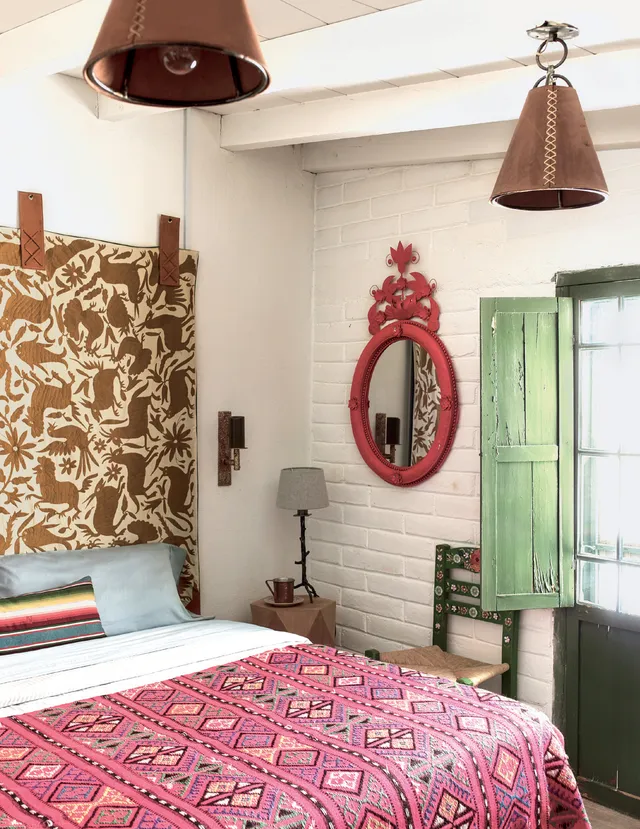
Far from belonging only in crumbling country houses or draughty ancestral halls, wallhangings today are finding new life in contemporary apartments, rented flats, townhouses, and cottages alike. Designers and homeowners are embracing them not as relics of the past, but as living, breathing objects—full of history, warmth, and character.
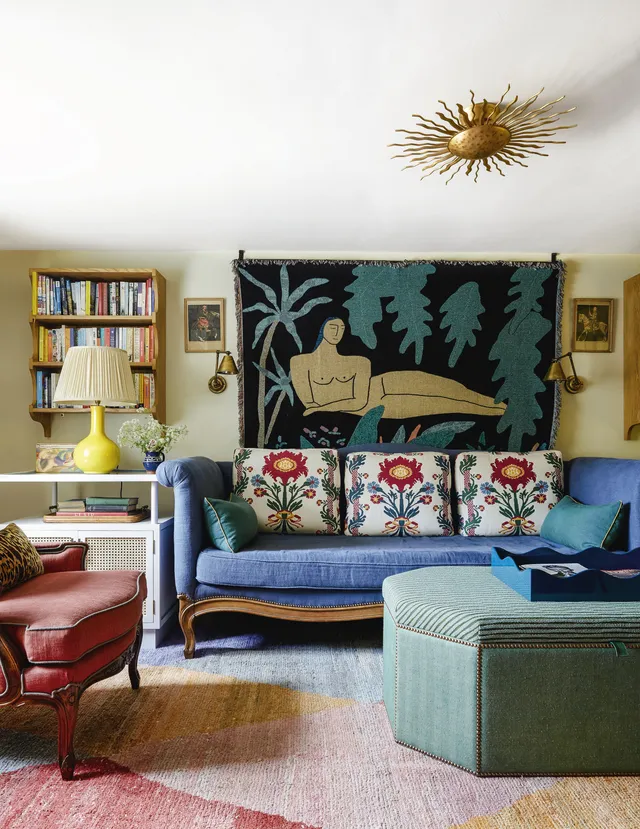
From Uzbek suzanis and Indian kanthas to American quilts, Persian jajims, and Ghanaian Asafo flags, decorating with textiles allows interiors to tell stories in a way that framed art often cannot.
Rethinking the Reputation of Tapestries
Tapestries have long suffered from an unfair stereotype. For many, the word still conjures images of faded hunting scenes, dimly lit corridors, and rooms that smell faintly of mothballs. But this narrow view ignores the extraordinary breadth of textile traditions across cultures and centuries.
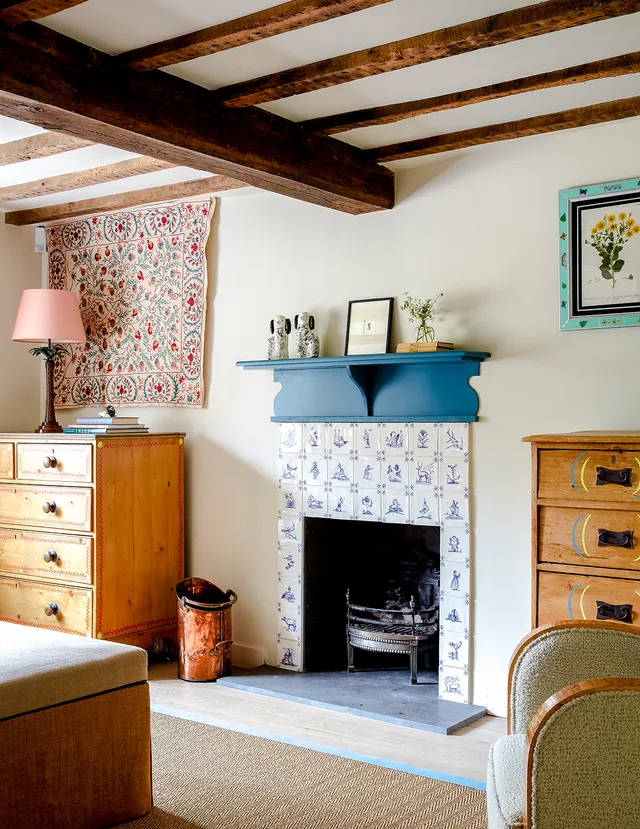
In reality, wallhangings are among the most democratic and human forms of art. They were often made by hand, in domestic settings, by people—most often women—who expressed creativity through weaving, embroidery, quilting, and dyeing when other artistic outlets were unavailable to them.
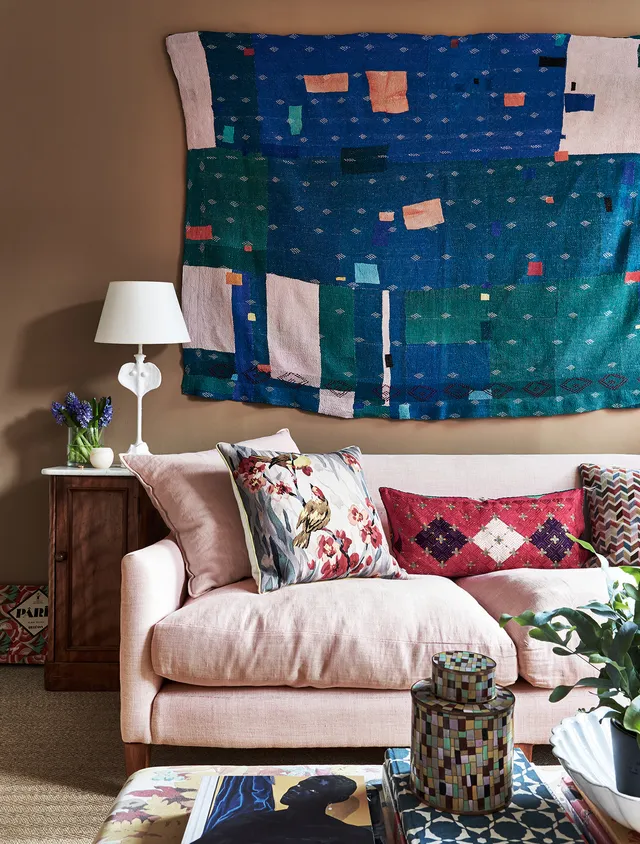
To hang a textile on your wall is to introduce something deeply personal and tactile into your home. It is art you can feel as much as see.
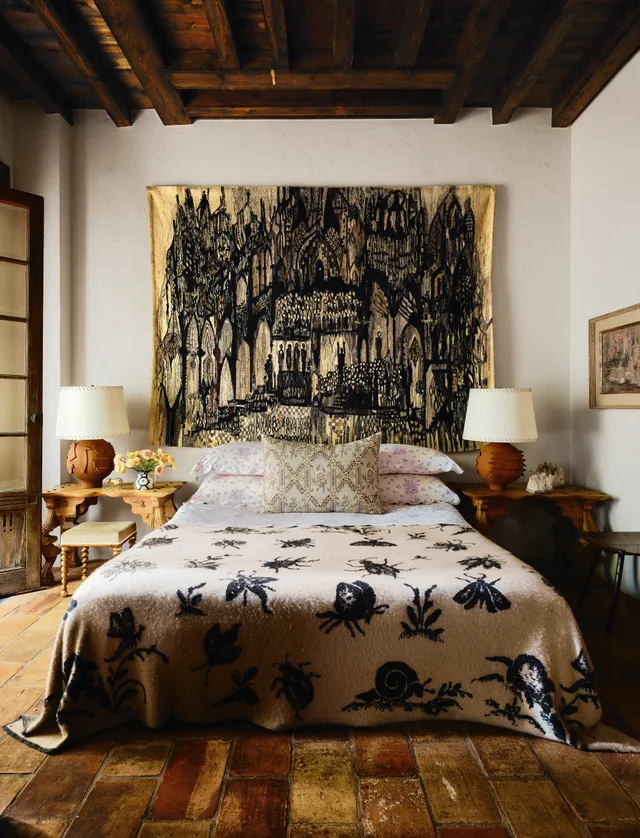
Why Decorate with Wallhangings and Tapestries?
They Bring Instant Warmth and Depth
Textiles soften a space in a way paint and paper simply can’t. They absorb sound, add visual depth, and create a sense of enclosure and comfort—particularly welcome in large rooms, hallways, or spaces with high ceilings.
Historically, tapestries were used not just for decoration but for insulation, and that practical benefit still holds true today. In winter months, they can make a room feel noticeably cosier.
They Feel Authentic and Lived-In
Unlike mass-produced prints or slick contemporary artworks, textiles often carry visible signs of the hand that made them. Slight irregularities, faded patches, repairs, and wear all contribute to their charm.
These imperfections tell stories—of use, of time, of lives lived alongside them.
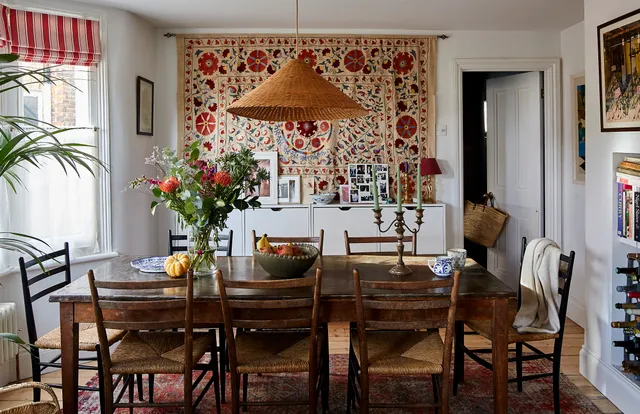
They Are Rich in Cultural Meaning
Across the world, textiles have been used to record history, celebrate milestones, and convey spiritual ideas. Islamic prayer rugs, for example, may abstractly depict jannah (paradise), while avoiding figurative imagery. Ghanaian Asafo flags tell symbolic stories of community identity and resistance. American quilts often encode family history and collective memory.
To hang such a piece is to bring layers of meaning into your home, not just decoration.
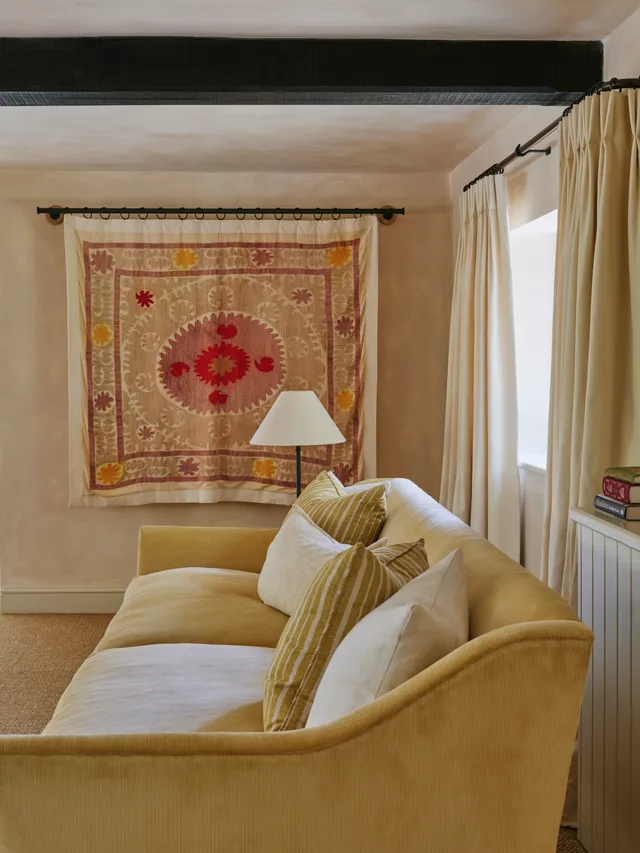
They Are Surprisingly Practical
Wallhangings are particularly well suited to:
- Rented homes, where they can be installed with minimal fixings and taken down easily
- Awkward walls, where artwork feels too small or repetitive
- Concealing eyesores, from uneven plaster to radiators—or even televisions
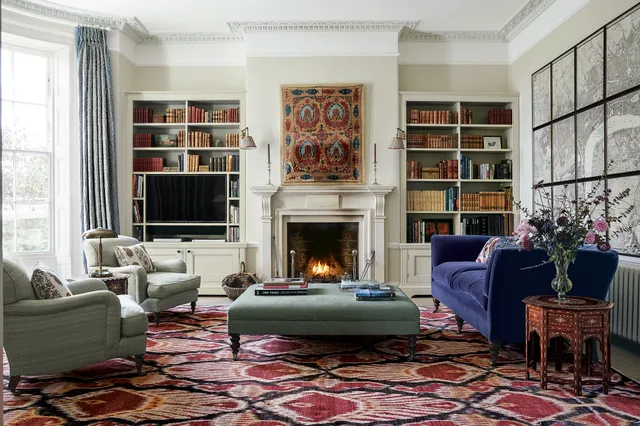
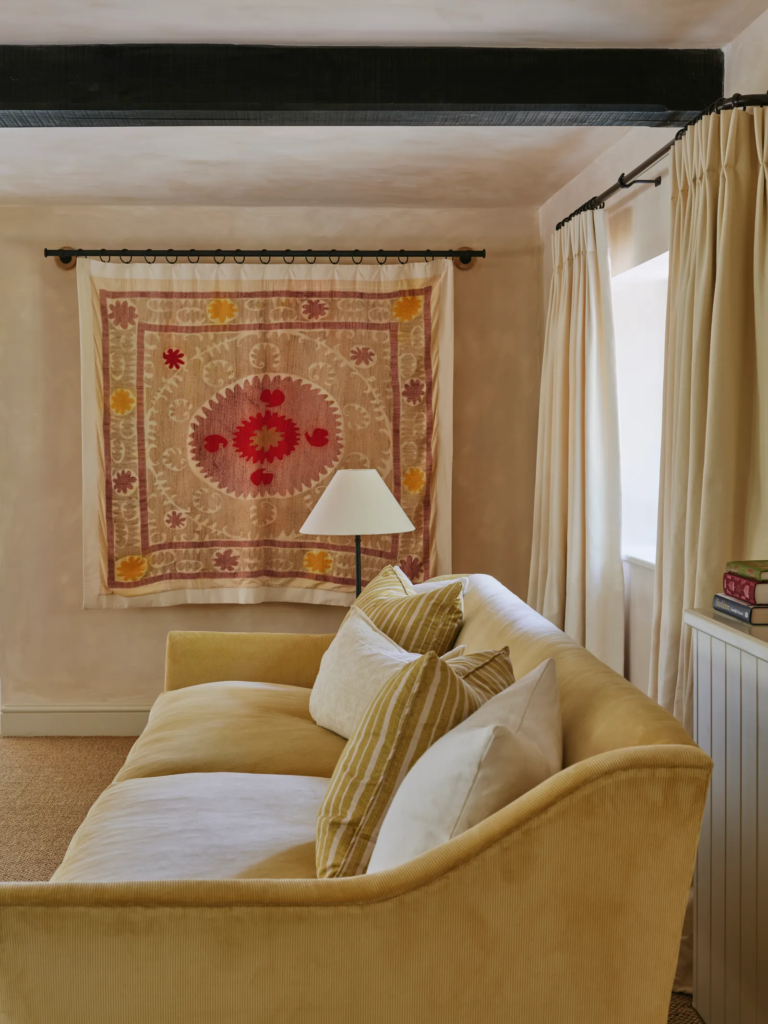
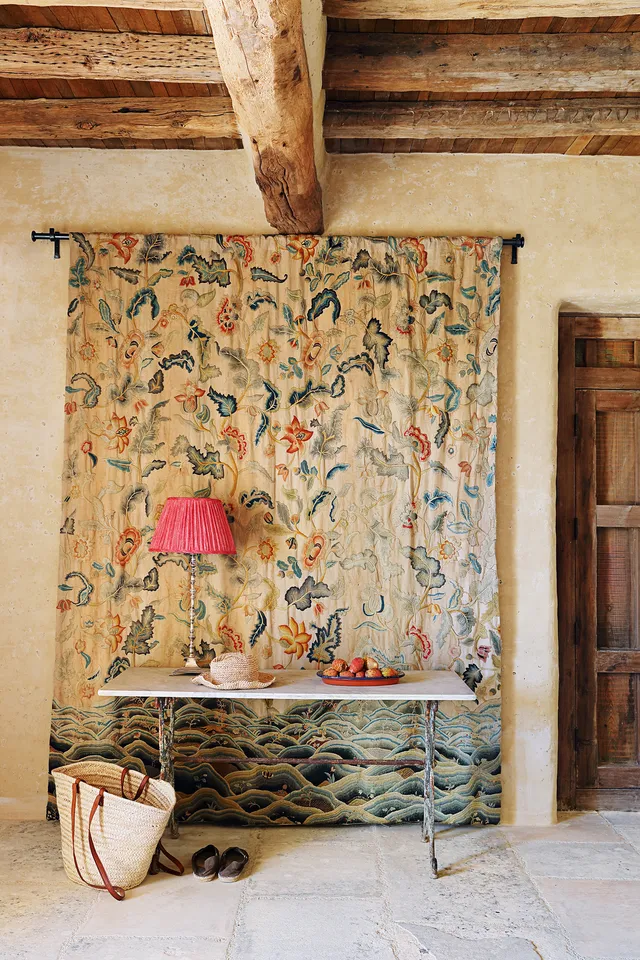
Designers have been known to use suzanis or large textiles on curtain poles to discreetly hide screens, creating living spaces that feel calmer and more intentional.
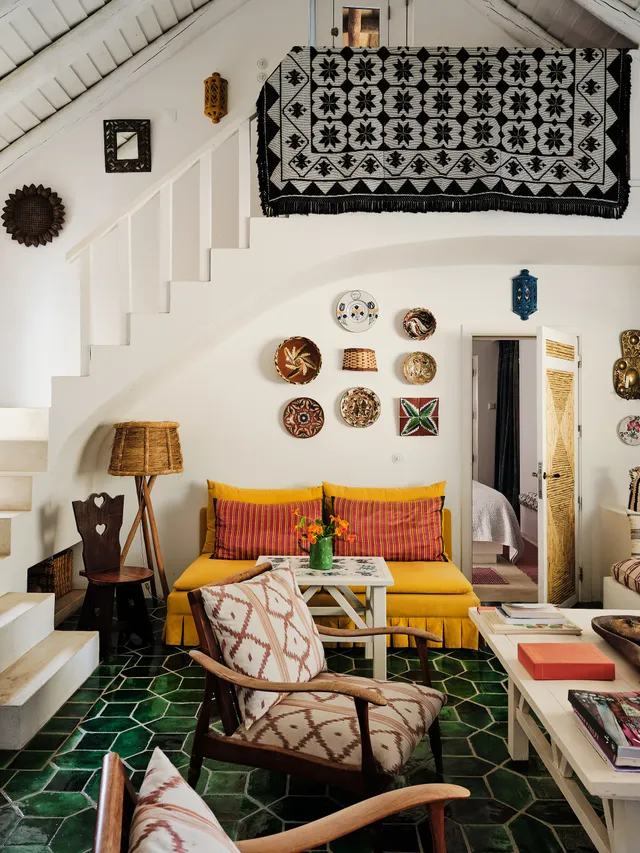
What Counts as a Wallhanging?
One of the joys of decorating with textiles is how broad the category is. A “wallhanging” doesn’t need to be grand or expensive.
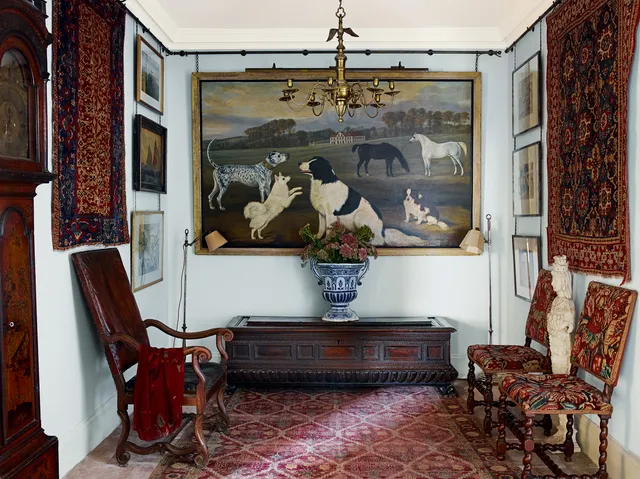
It could be:
- A fragment of antique lace
- A tea towel bought online
- A hand-embroidered tablecloth
- A vintage blanket or throw
- A rug traditionally meant for the floor
- A contemporary artist-designed textile
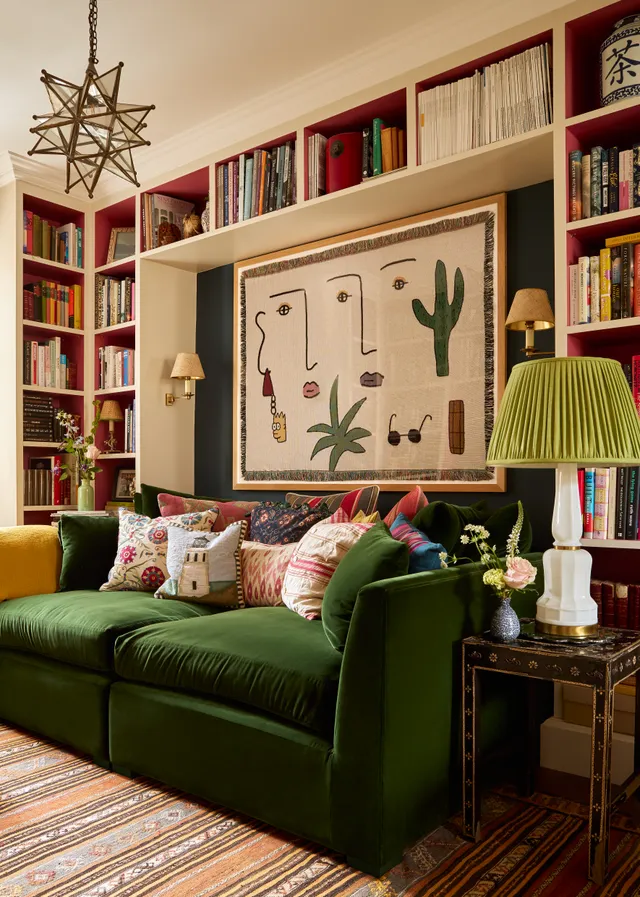
What matters is not formality or price, but resonance.
Where to Buy Wallhangings and Tapestries
Online Marketplaces
The internet has transformed the way we collect textiles.
- Etsy is an excellent resource for antique, vintage, and handmade pieces from around the world.
- Specialist collectors such as Jess Maybury curate exceptional selections of suzanis, kilims, and other global textiles, making it easier to buy with confidence.
Online platforms also allow you to search by size, colour, and origin—helpful if you’re working to a specific scheme.
Travel Finds
Collecting textiles while travelling is both practical and meaningful. They are often easy to transport and carry strong memories of place.
Some enduring favourites include:
- Ghanaian Asafo flags
- Indian kanthas and ikats
- Early American quilts and bedspreads
- Embroidered table linens from French flea markets
These pieces gain emotional value simply by being tied to your own experiences.
Flea Markets and Junk Shops
Don’t overlook humble sources. Some of the most compelling wallhangings are discovered unexpectedly—folded over rails, tucked into baskets, or sold as functional items rather than decorative ones.
How to Hang and Display Textiles
Let Them Breathe
Large expanses of wall—above sofas, beds, staircases, or in hallways—are perfect for textiles. Unlike gallery walls, a single large hanging can fill space confidently without feeling cluttered.
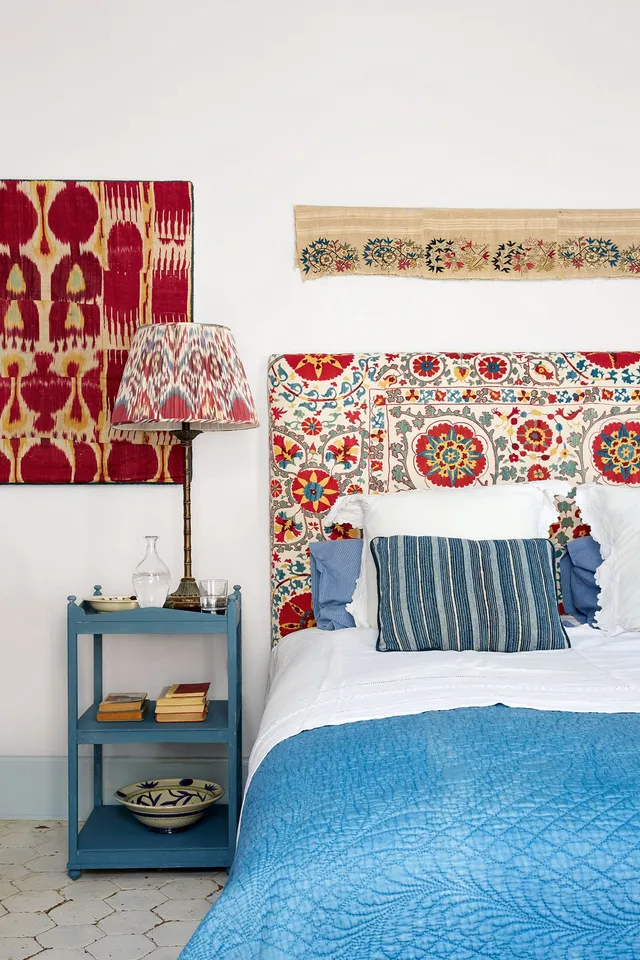
Frame Them Like Art
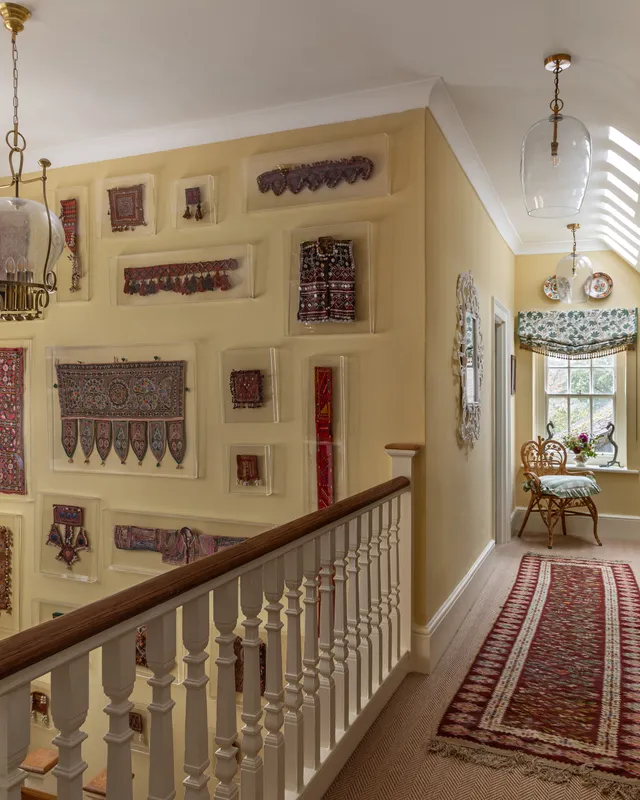
If a piece is particularly valuable or delicate, framing can elevate it and protect it. Mounting textiles behind glass or Perspex gives them the presence of fine art while preserving their integrity.
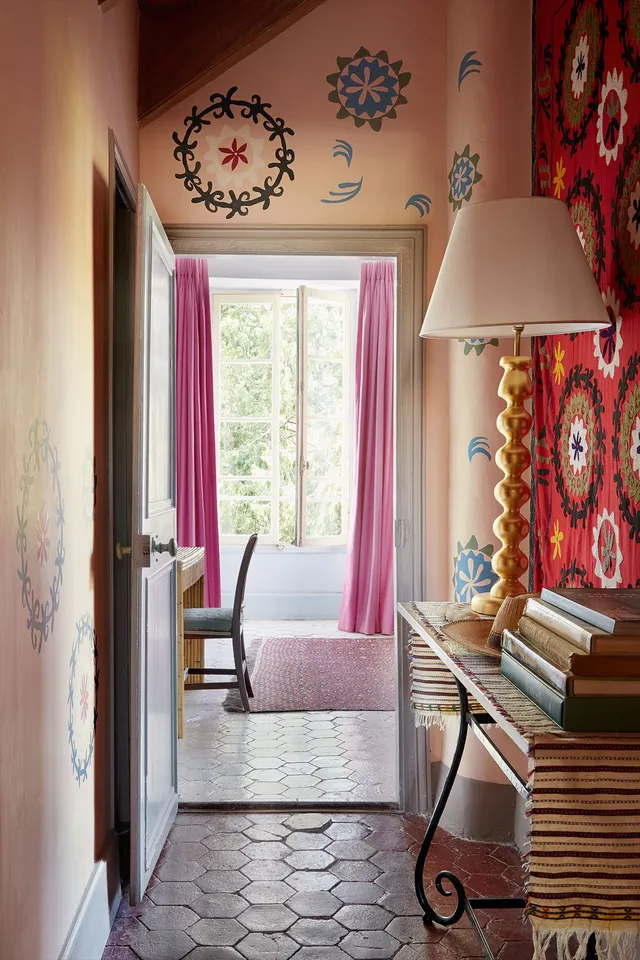
This approach works beautifully for:
- Antique ikats
- Kanthas
- Artist-designed rugs
- Fragile embroidery
Use Unexpected Placements
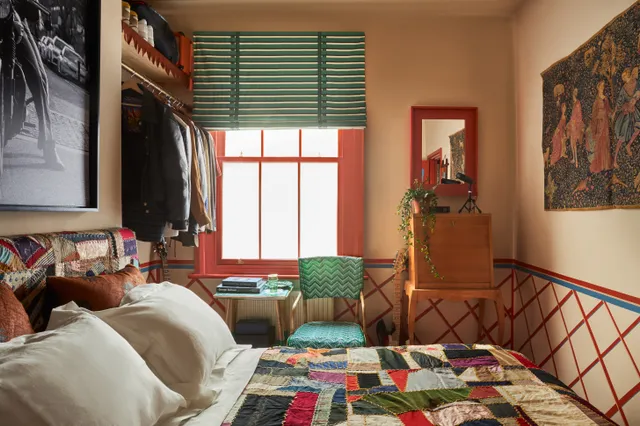
Designers often use textiles in surprising ways:
- Draped casually over stair balustrades
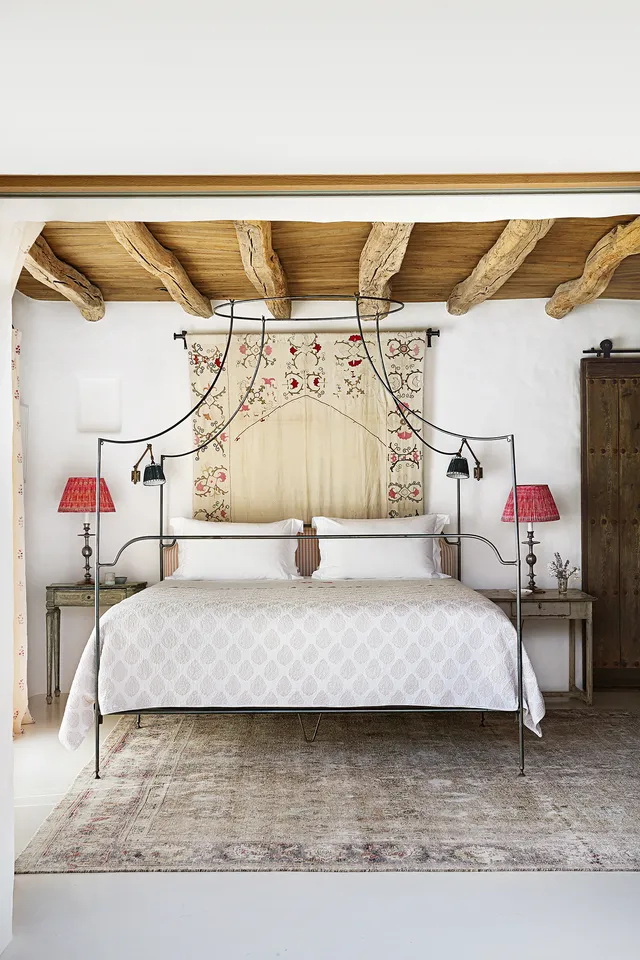
- Hung behind beds as headboards
- Wrapped around shelving
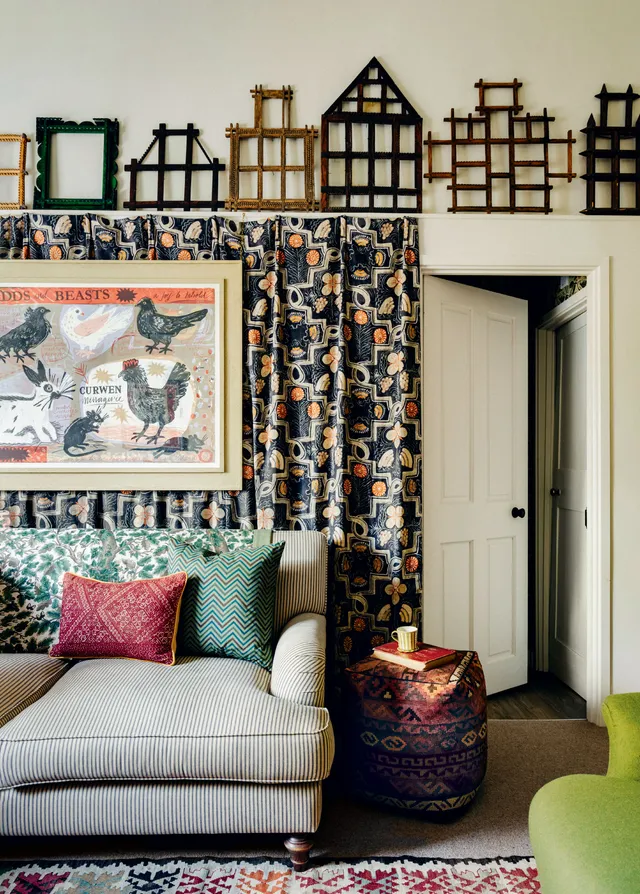
- Layered with paintings and folk art
These informal placements keep textiles from feeling too stiff or museum-like.
Making Textiles Work in Different Interior Styles
In Traditional Homes
Antique suzanis, tapestries, and rugs naturally complement period architecture, adding depth and continuity to older buildings.
In Contemporary Spaces
Against clean lines and neutral walls, textiles add contrast and humanity. A modern apartment can feel instantly warmer when softened with a richly coloured hanging.
In Eclectic Interiors
Layering textiles with other patterns, artworks, and objects creates spaces that feel collected over time rather than decorated all at once.
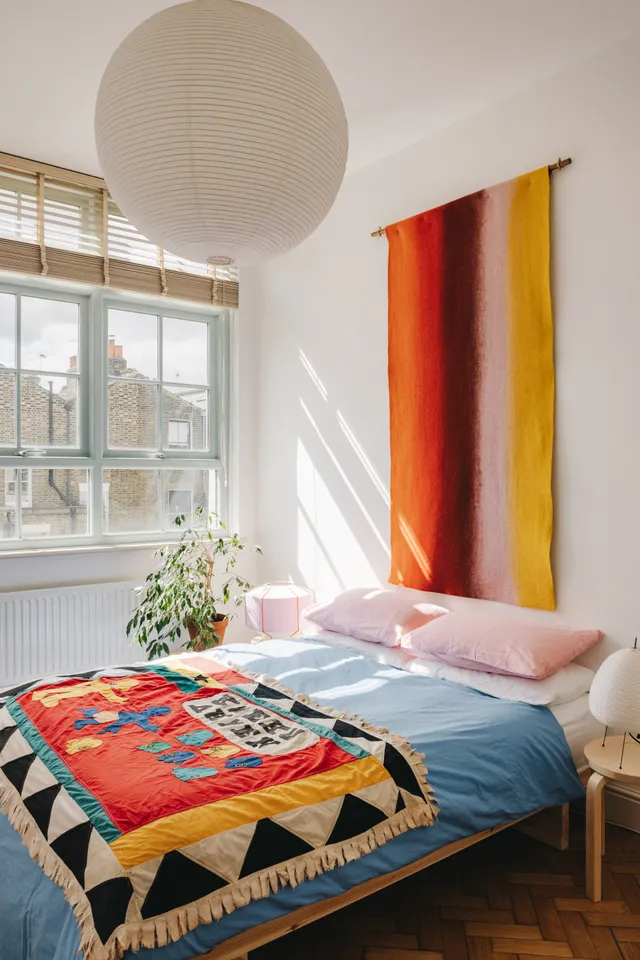
Why Wallhangings Endure
Trends come and go, but textiles endure because they are deeply human objects. They speak of time, touch, labour, and memory. They soften not just rooms, but the way we live in them.
In an age of fast design and disposable décor, wallhangings invite us to slow down—to choose pieces that matter, that age gracefully, and that can move with us from home to home.
Whether it’s a priceless antique tapestry or a simple piece of fabric found online, a textile on the wall has the power to transform a space quietly, beautifully, and completely.